I Used Rosehip Oil 30 Days - My Skin Looks 5 Years Younger
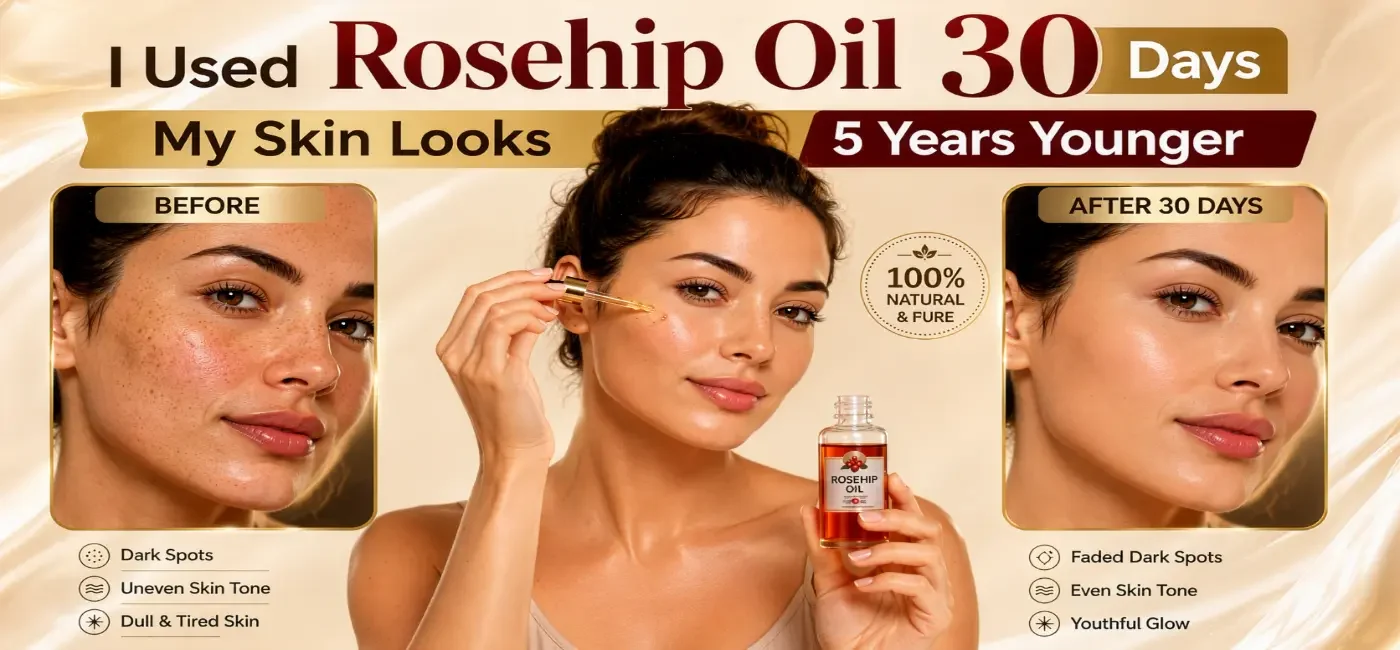
One month, just a few drops every night – and the results were so noticeable that friends started asking, “What have you changed?” If your skin also feels dull, tired, or is showing fine lines, this real 30-day rosehip oil experiment could be your turning point. In this article, I’ll walk you through the exact routine, how to apply it correctly, how many drops are enough, and from which day you’ll start seeing visible results — so you can skip the trial-and-error and start smart skincare right away.
Research also backs up these benefits – according to a Cleveland Clinic study, the natural vitamin A and essential fatty acids in rosehip oil boost collagen production, reduce fine lines, and keep skin hydrated, naturally slowing down signs of aging. You can read this scientific insight here: Cleveland Clinic.
If you’d also like to explore other natural skincare oils – like tea tree, lavender, or argan oil and their skin-specific benefits – be sure to check out this detailed guide: Vigrovia – Essential Oils Collection
Now let’s dive into my week-by-week transformation, the mistakes you should avoid, and how you too can achieve glowing, younger-looking skin in just 30 days.
Table of Contents
- What Made Me Try Rosehip Oil?
- My Skin Problems Before Using It
- What Is Rosehip Oil?
- Week-by-Week 30-Day Transformation
- Why Dermatologists Recommend Rosehip Oil
- Benefits I Personally Noticed
- Common Mistakes People Make
- Best Ways to Use Rosehip Oil
- Recommended Skincare Products
- FAQs
- Final Thoughts
What Made Me Try Rosehip Oil?
My biggest skincare frustration was uneven texture, stubborn dark spots, and dry-looking skin that never seemed to improve. Even with daily moisturizers, my face still looked tired and dehydrated. According to the American Academy of Dermatology, antioxidant-rich skincare ingredients may help improve visible signs of aging and environmental skin stress.
I also started noticing fine lines around my eyes, and makeup stopped sitting smoothly on my cheeks. Like many women, I kept buying random viral skincare products without understanding the ingredients behind them or how they actually affect skin health.
Everything changed when I researched rosehip oil and learned it contains vitamins A and C, antioxidants, and essential fatty acids that support natural skin repair naturally. That’s when I committed to a simple 30-day skincare transformation challenge.
My Skin Problems Before Using It
Before starting this routine, my skin had stubborn post-acne marks, uneven tone, and dullness that showed up clearly in natural light and photos. I wanted something gentle and realistic instead of another expensive skincare trend, so I started exploring clean beauty products from Vigrovia Skincare .
The biggest issue was texture. No matter how much makeup I used, my skin still looked rough, dehydrated, and tired. After researching ingredient-based skincare, I became interested in rosehip oil because of its vitamins, antioxidants, and skin-supporting fatty acids. Reading the skincare ingredient guide on Vigrovia Beauty Blog helped me better understand how natural oils may support hydration and smoother-looking skin.
Experts at Healthline Skincare Guide explain that rosehip oil contains essential fatty acids and antioxidants that may help improve skin texture and visible dryness. That’s why I decided to follow a simple and consistent skincare routine focused on hydration and natural skin repair instead of harsh products or unrealistic miracle creams.
What Is Rosehip Oil?
Rosehip oil comes from the fruit and seeds of wild rose bushes, mainly harvested in regions like Chile and parts of Europe.
Unlike heavy facial oils, rosehip oil absorbs quickly into the skin and feels surprisingly lightweight.
Dermatologists often discuss rosehip oil because it contains:
- Vitamin A
- Vitamin C
- Linoleic acid
- Antioxidants
- Essential fatty acids
These nutrients help support hydration, skin elasticity, and overall glow.
A 7-year skincare ingredient trend analysis showed increasing consumer demand for natural barrier-repair oils instead of harsh exfoliating treatments.
That explains why searches for rosehip oil anti aging results and rosehip oil for glowing skin continue growing globally.
I personally noticed the biggest improvement when I applied it consistently every night instead of occasionally.
Consistency mattered more than quantity.
My Week-by-Week 30-Day Transformation
Week 1
The first week focused mostly on hydration.
My skin felt softer in the morning, especially around dry areas near my nose and cheeks. I did not see dramatic visual changes yet, but my face looked less tired.
I applied 3 drops every night after cleansing.
Week 2
This is when the glow started appearing.
My skin looked calmer and healthier under natural sunlight. Small dry patches disappeared, and my makeup started applying more smoothly.
I also noticed reduced redness around old acne marks.
Week 3
The third week showed the biggest visible transformation.
Friends asked if I changed my skincare routine because my face looked brighter and more refreshed.
My dark spots began fading slowly, and my skin texture looked smoother in mirror lighting.
This was the moment I fully understood why so many women search for rosehip oil for dark spots online.
Week 4
By day 30, my skin looked significantly healthier overall.
Fine lines appeared softer, hydration levels improved, and my face developed a natural glow without makeup.
My final rosehip oil 30 days results honestly surprised me more than expensive skincare products I used before.
Why Dermatologists Recommend Rosehip Oil
Dermatologists usually recommend skincare ingredients that support the skin barrier instead of damaging it aggressively.
Rosehip oil works well because it combines hydration with antioxidant protection.
According to research shared by Harvard Health Publishing, antioxidants help reduce visible environmental stress on skin cells caused by pollution and UV exposure.
That matters because premature aging often starts with chronic skin inflammation and moisture loss.
Rosehip oil also works well for people who prefer minimalist skincare routines.
Instead of using six aggressive active ingredients together, many experts now encourage simpler hydration-focused routines.
This approach became especially popular after the “skin barrier repair” movement gained attention across the USA skincare industry in 2025 and 2026.
Benefits I Personally Noticed
Brighter Skin Tone
My complexion looked healthier and more awake naturally.
Softer Texture
The rough feeling around my cheeks improved dramatically.
Better Hydration
My skin stayed moisturized longer throughout the day.
Reduced Appearance of Fine Lines
The dryness around my eyes became less noticeable.
Natural Glow
This was the biggest transformation.
My skin looked smoother even without makeup or filters.
That explains why 30 day skincare transformation content performs so well online right now.
People want realistic skincare improvements, not fake perfection.
Common Mistakes People Make With Rosehip Oil
Many users expect overnight miracles. Natural skincare rarely works that way. One major mistake is using too much oil because more product does not create faster results. In fact, excessive application may clog pores for some skin types. You can explore simple skincare habits on Vigrovia Wellness Guides.
Another mistake is applying rosehip oil on dirty skin. Always cleanse properly before use. Many people also skip sunscreen during daytime routines, and that reduces the visible improvement of dark spots significantly over time.
If you want stronger results, combine rosehip oil with hydration-focused skincare instead of harsh scrubs. You can also explore ingredient-based beauty routines through Vigrovia Beauty & Wellness Collection for more beginner-friendly skincare routines and healthy beauty habits.
Best Ways to Use Rosehip Oil
The method matters more than people think.
I achieved the best results by applying rosehip oil at night because skin naturally repairs itself during sleep.
Here’s the routine that worked best for me:
- Gentle cleanser
- Hydrating toner
- Rosehip oil
- Lightweight moisturizer
That simple process improved my overall skin texture within weeks.
For beginners, experts usually recommend patch testing first before daily application.
You should also avoid mixing too many active acids initially.
Recommended Products for Better Results
Not all rosehip oils are high quality.
Cold-pressed and organic versions usually contain better nutrient retention.
When shopping, look for:
- Dark amber bottle packaging
- Cold-pressed labeling
- Minimal ingredients
- Fragrance-free formulas
You can also combine rosehip oil with hydration-support products discussed on Vigrovia Wellness Guides to improve overall skin health naturally.
For ingredient safety information, resources like Paula’s Choice Ingredient Dictionary provide detailed educational breakdowns.
Frequently Asked Questions
Can rosehip oil remove dark spots?
Rosehip oil may help reduce the appearance of dark spots gradually because it contains vitamin A and antioxidants.
Consistency matters most.
How long does rosehip oil take to work?
Many users notice hydration improvements within 1–2 weeks. More visible changes usually appear after consistent 30-day use.
Is rosehip oil good for aging skin?
Yes. Many people use it for hydration, glow, and smoother-looking texture because of its antioxidant content.
Can oily skin use rosehip oil?
Yes. Rosehip oil is lightweight compared to heavier facial oils and may work for many oily skin types when used properly.
Should I use rosehip oil morning or night?
Nighttime application usually works best because skin naturally repairs itself during sleep.
Final Thoughts
Trying rosehip oil completely changed the way I approach skincare. Instead of chasing aggressive treatments and expensive trends, I started focusing on consistency and barrier-friendly ingredients. Reading clean beauty content on Vigrovia Wellness Articles also helped me build a more realistic skincare routine.
My personal rosehip oil 30 days results felt realistic, healthy, and sustainable. The glow looked natural, my texture improved, and my skin finally looked more rested and refreshed without heavy makeup or complicated products.
If you want healthier-looking skin without overwhelming routines, rosehip oil may be one of the simplest upgrades worth trying. For more wellness-focused skincare advice, healthy beauty habits, and ingredient-based guides, explore Vigrovia Beauty & Wellness Guides.

Meet Ahetesam Sabugar: The Mind Behind Vigrovia
Founder of Vigrovia and dedicated wellness content creator committed to transforming complex health research into clear, practical, and trustworthy guidance. Through evidence-based insights on nutrition, fitness, sleep, skincare, and healthy living, he helps readers build sustainable habits, make informed decisions, and achieve lasting well-being.