10 Signs of Nutrient Deficiency Your Body Is Trying to Tell You
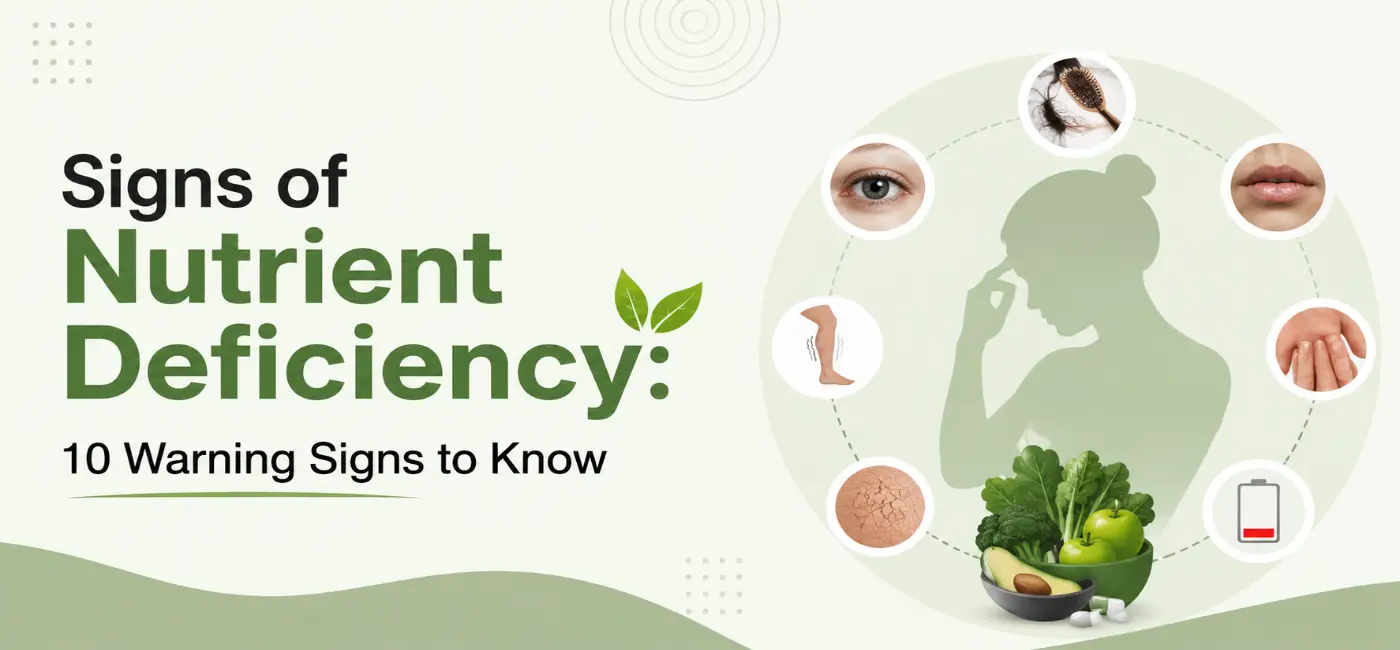
Your body doesn’t have the habit of developing a vitamin or mineral deficiency on its own. It usually shows all the signs long before it reaches that point. A split nail or mouth corners that won’t seem to heal are two examples of such warnings.
The tricky part is that these signs of nutrient deficiency overlap. Fatigue can point to iron, B12, vitamin D, or magnesium. Hair loss can mean biotin, iron, zinc, or simply not enough protein. That overlap is exactly why so many people live with a deficiency for months before connecting the dots.
This guide breaks down the 10 most common signs of nutrient deficiency, what’s likely causing each one, who’s most at risk, and how to fix it – through food first, and supplements only where they genuinely help.
Table of Contents
- What Is a Nutrient Deficiency, and Why Does It Happen?
- Quick-Reference Table: Nutrient Deficiency Signs at a Glance
- 10 Common Signs of Nutrient Deficiency, Explained
- Who’s Most at Risk of Nutrient Deficiencies?
- How to Confirm a Deficiency: Testing and Diagnosis
- When to See a Doctor Right Away (Red Flags)
- Supplement Safety: What to Know Before You Start
- Frequently Asked Questions
- Key Takeaways
- Conclusion
What Is a Nutrient Deficiency, and Why Does It Happen?
A nutrient deficiency, or deficiency, is a condition in which an organism lacks a certain nutrient (such as a vitamin or mineral) that is required by the body to function normally. Micronutrients, while only required in small amounts, play an essential role in many bodily functions. A deficiency of a particular micronutrient can lead to impaired function of some physiological systems such as the digestive system, the endocrine system controlling digestion and absorption, the immune system, the nervous system, etc. In addition, nutrient-related causes can also lead to problems with the circulatory system, wound healing, mood regulation, and other functions.
Deficiencies typically develop for one of four reasons:
Inadequate intake — diets low in variety, high in ultra-processed food, or restrictive by choice (vegan, keto, low-calorie). Eating a wider range of nutrient-rich superfoods can help close these gaps naturally.
Poor absorption — conditions like celiac disease, Crohn’s disease, or gastric bypass surgery that limit how well nutrients are absorbed
Increased need — pregnancy, breastfeeding, intense athletic training, or recovery from illness
Medication interference — certain drugs (metformin, proton pump inhibitors, diuretics) can block or deplete specific nutrients
Because your body prioritizes life-sustaining functions over non-essential ones, hair, skin, and nails are often where deficiency shows up first – they’re the first systems your body deprioritizes when nutrients run short.
Quick-Reference Table: Nutrient Deficiency Signs at a Glance
| Sign | Likely Nutrient(s) | Good Food Sources | Daily Target (Adults) |
|---|---|---|---|
| Fatigue, low energy | Iron, B12, Vitamin D, Magnesium | Red meat, eggs, fatty fish, leafy greens | Iron: 8–18 mg · B12: 2.4 mcg |
| Hair loss / thinning | Biotin, Iron, Zinc, Protein | Eggs, nuts, seeds, legumes | Biotin: 30 mcg |
| Brittle or spoon-shaped nails | Iron, Biotin, B12 | Spinach, beans, shellfish | Iron: 8–18 mg |
| Cracked mouth corners | B2, B6, Iron, Folate | Whole grains, dairy, poultry | B2: 1.1–1.3 mg |
| Bleeding gums | Vitamin C | Citrus fruit, bell peppers, kiwi | 65–90 mg |
| Dry, flaky, or bumpy skin | Vitamin A, Omega-3s, Zinc | Sweet potato, carrots, fatty fish | Vitamin A: 700–900 mcg |
| Poor night vision | Vitamin A | Liver, eggs, dark leafy greens | 700–900 mcg |
| Tingling / numbness | Vitamin B12, Magnesium | Fish, dairy, nuts, seeds | B12: 2.4 mcg |
| Mood changes, irritability | Vitamin D, B6, B12, Omega-3 | Fatty fish, fortified milk, sunlight | Vitamin D: 600–800 IU |
| Frequent colds | Vitamin C, D, Zinc | Citrus, mushrooms, shellfish | Zinc: 8–11 mg |
RDAs vary by age, sex, and life stage. Use this as a general guide, not a personal prescription – a healthcare provider can confirm what’s right for you.
10 Common Signs of Nutrient Deficiency, Explained
1. Persistent Fatigue and Low Energy
If you’re sleeping enough but still dragging through the day, your body may be short on the nutrients it needs to produce energy and transport oxygen. Iron deficiency reduces your blood’s oxygen-carrying capacity, which is why it’s one of the most common causes of unexplained tiredness – especially in women of reproductive age. Low vitamin B12 and vitamin D can independently cause fatigue by affecting red blood cell production and muscle function, while magnesium shortfalls impair the hundreds of energy-related reactions it’s involved in.
Fix it: Add lean red meat, spinach, and legumes for iron; fatty fish and fortified dairy for B12 and D; and nuts, seeds, and leafy greens for magnesium. If fatigue persists for more than a few weeks despite good sleep, ask your doctor for a full panel – iron, B12, vitamin D, and thyroid function are often tested together.
2. Hair Loss, Thinning, or Brittle Hair
Everyone sheds roughly 50–100 hairs a day. Clumps on your pillow or in the shower drain are different. Hair follicles are metabolically demanding tissue, so they’re one of the first places your body cuts corners when nutrients run low. Biotin (vitamin B7) deficiency is genuinely rare, but low iron, zinc, and protein intake are much more common culprits – and unlike biotin, these are worth actually testing for before supplementing.
Fix it: Prioritize protein at every meal, and include iron-rich foods (red meat, lentils, dark leafy greens) alongside a source of vitamin C to boost absorption. Note: taking extra biotin or vitamin A supplements when you’re not actually deficient can paradoxically worsen hair shedding, so test before you supplement.
3. Brittle, Ridged, or Spoon-Shaped Nails
Nails are a slower-growing tissue than hair, which makes them a useful “history book” of your nutrition over the past several months. Horizontal ridges can reflect a recent period of nutritional or physical stress. Spoon-shaped nails (koilonychia), where the nail curves upward like a shallow bowl, are a classic sign of significant iron-deficiency anemia and warrant a blood test rather than a nail treatment.
Fix it: Iron-rich foods paired with vitamin C, plus adequate protein for nail plate structure. If nails are spoon-shaped or the changes are sudden, get iron levels checked directly.
4. Cracked Mouth Corners and Mouth Ulcers
Painful cracks at the corners of the mouth (angular cheilitis) and recurring canker sores are linked to shortfalls in riboflavin (B2), pyridoxine (B6), iron, and folate. One clinical study found close to a third of patients with recurring mouth ulcers had a measurable deficiency in one or more B vitamins – a strong enough pattern that it’s worth mentioning to your dentist or doctor rather than just treating with topical gel.
Fix it: Whole grains, eggs, dairy, poultry, and leafy greens cover B2, B6, and folate together. If ulcers keep recurring despite good oral hygiene, ask for iron and B-vitamin testing.
5. Bleeding Gums and Slow Wound Healing
Your body can’t manufacture vitamin C on its own – every milligram has to come from food. Vitamin C is essential for collagen production, which keeps blood vessels (including the tiny ones in your gums) strong and your skin able to repair itself efficiently. When intake drops for a sustained period, gums become fragile and bleed easily, cuts take longer to close, and bruising happens more easily than it should.
Fix it: Two to three servings of vitamin-C-rich produce daily – citrus, bell peppers, strawberries, kiwi – is usually enough to correct a mild deficiency within weeks. Severe, prolonged deficiency can progress to scurvy, which also causes fatigue and joint pain.
6. Dry, Flaky, or Bumpy Skin
Skin turns over constantly, which makes it sensitive to nutrient shortfalls. Dry, rough patches often point to low vitamin A, essential fatty acids, or zinc – all needed for skin cell repair and the skin’s oil barrier. Small, goosebump-like red or white bumps on the upper arms, thighs, or cheeks (keratosis pilaris) have also been observed more often in people with low vitamin A and C intake, alongside a genetic component. Dandruff and flaking around the eyebrows, scalp, or chest can separately reflect low riboflavin and B6.
Fix it: Fatty fish and flaxseed for omega-3s; sweet potatoes, carrots, and leafy greens for vitamin A; oysters and pumpkin seeds for zinc. Avoid high-dose vitamin A supplements without medical guidance – it’s fat-soluble and can become toxic in excess.
7. Poor Night Vision
If it’s becoming noticeably harder to see in dim light or adjust when you walk from a bright room into a dark one, vitamin A deficiency is a leading suspect. Vitamin A is required to make rhodopsin, the pigment your retina uses to process low light. Left uncorrected, this can progress to xerophthalmia – dryness and clouding of the cornea – with early warning signs including small, foamy white patches on the white of the eye called Bitot’s spots.
Fix it: Liver, eggs, dairy, and orange or dark leafy vegetables (rich in beta-carotene) are reliable sources. Vitamin A deficiency is uncommon in people eating a varied diet in the U.S., so persistent night-vision changes deserve an eye exam rather than self-treatment.
8. Tingling, Numbness, or Restless Legs
A “pins and needles” sensation in the hands or feet is one of the earliest signs of vitamin B12 deficiency, because B12 is essential for maintaining the protective sheath around nerves. Left unaddressed for years, this can progress to permanent nerve damage – which is why it shouldn’t be brushed off as “sleeping on your arm wrong” if it’s becoming frequent. Restless leg syndrome – an uncomfortable urge to move your legs, especially at night – has also been consistently linked to low iron stores, particularly during pregnancy.
Fix it: B12 is found almost exclusively in animal products (meat, dairy, eggs, fish), so vegans and vegetarians should specifically supplement or use fortified foods. For restless legs, pairing iron-rich meals with vitamin C improves absorption significantly.
9. Mood Swings, Irritability, and Low Mood
Nutrition and brain chemistry are more connected than most people realize. Vitamins D, B6, and B12, along with omega-3 fatty acids, are all directly involved in producing serotonin and dopamine – the neurotransmitters that regulate mood and motivation. When these run low, irritability, anxiety, and low mood can follow, and it’s easy to misattribute these changes to stress alone.
Fix it: Ten to fifteen minutes of midday sun several times a week supports vitamin D synthesis; fatty fish covers both D and omega-3s. If low mood is persistent or severe, nutrition is worth ruling out alongside – not instead of – a conversation with a healthcare provider or mental health professional.
10. Frequent Colds and Slow-Healing Infections
If you seem to catch every cold going around, or infections take longer than they should to clear, your immune system may be under-resourced. Vitamin C, vitamin D, and zinc all play direct roles in immune cell production and function — zinc in particular is essential for the development and communication of immune cells.
Fix it: A colorful plate — citrus, bell peppers, and leafy greens for vitamin C; shellfish, seeds, and legumes for zinc — covers most bases. Vitamin D is harder to get from food alone, so sensible sun exposure or a supplement (especially in winter months or northern latitudes) is often necessary.
Who's Most at Risk of Nutrient Deficiencies?
Certain groups face a meaningfully higher risk and should be more proactive about monitoring their levels:
- Vegans and vegetarians — at higher risk of B12, iron, zinc, and omega-3 shortfalls, since the richest sources are animal-based
- Pregnant and breastfeeding women — increased need for iron, folate, calcium, and vitamin D
- Older adults — reduced stomach acid affects B12 absorption; skin becomes less efficient at synthesizing vitamin D
- People with GI conditions or a history of bariatric surgery — celiac disease, Crohn’s disease, and gastric surgery can all significantly impair nutrient absorption regardless of diet quality
- People on long-term medications — metformin (B12), proton pump inhibitors (B12, calcium, magnesium), and diuretics (potassium, magnesium) can all deplete specific nutrients over time
- Restrictive dieters and heavy exercisers — low-calorie diets and high training loads both increase micronutrient turnover and requirements
How to Confirm a Deficiency: Testing and Diagnosis
Symptoms alone may not indicate what nutrients you’re low in, since many are shared between two or more deficiencies. Standard blood work for an annual physical usually doesn’t test for vitamin D, B12, or iron by default, so make sure to ask for them if you’re exhibiting any of the aforementioned symptoms:
- Complete blood count (CBC) — flags anemia patterns
- Ferritin and iron studies — the most accurate iron status marker
- 25-hydroxyvitamin D — the standard vitamin D test
- Vitamin B12 and folate levels
- Magnesium and zinc — if symptoms point that way
Bring a symptom list to the appointment. Naming the specific, consistent signs you’ve noticed (not just “I’m tired”) helps a clinician order the right tests the first time.
When to See a Doctor Right Away (Red Flags)
Most nutrient deficiencies develop slowly and can be corrected with diet and time. A few symptoms, however, warrant prompt medical attention rather than a wait-and-see approach:
- Chest pain, palpitations, or an irregular heartbeat (can relate to calcium, magnesium, or potassium imbalances)
- Sudden or severe vision changes
- Significant confusion, memory changes, or loss of balance
- Numbness or weakness that’s spreading or worsening
- Unexplained, rapid weight loss
These can indicate a deficiency has progressed further than a simple dietary tweak can fix, or point to a separate underlying condition that needs prompt evaluation.
Supplement Safety: What to Know Before You Start
Food-first is the safest default, but supplements have a real place – particularly for B12 (vegans), vitamin D (limited sun exposure), and iron or folate (confirmed deficiency, pregnancy). A few rules matter more than people expect:
Fat-soluble vitamins (A, D, E, K) accumulate in the body. Unlike water-soluble vitamins, excess isn’t simply flushed out — high-dose, long-term supplementation without a confirmed deficiency can lead to toxicity.
Iron supplements can be genuinely dangerous in excess, including for children who accidentally access a bottle. Never supplement iron without a confirmed deficiency.
More isn’t better once you’re replete. Supplementing a nutrient you’re not actually low in rarely helps, and for a few (notably iron, vitamin A, and selenium) can actively work against you — including worsening the very hair loss or fatigue you’re trying to fix.
Talk to a healthcare professional before starting anything new, especially if you take other medications — several common drugs interact with iron, calcium, and vitamin K supplements. Not all supplements are created equal; knowing how to spot clean vs. regular supplements can make all the difference in safety and effectiveness.
Frequently Asked Questions
What is the most common nutrient deficiency in adults?
Vitamin D and iron deficiency are among the most common worldwide, followed closely by vitamin B12 – particularly in people over 50, vegans, and those with limited sun exposure.
Can nutrient deficiency cause anxiety or depression?
It can contribute to symptoms that overlap with anxiety and low mood – particularly deficiencies in vitamin D, B6, B12, and omega-3 fatty acids – though nutrition should be addressed alongside, not instead of, professional mental health support.
How long does it take to fix a vitamin deficiency through diet?
It varies by nutrient: vitamin C deficiency symptoms can improve within a couple of weeks of increased intake, while correcting an iron or B12 deficiency typically takes two to four months of consistent intake, since your body needs to rebuild depleted stores.
Can you be deficient in vitamins even if you eat a healthy diet?
Yes. Absorption issues (like celiac disease or low stomach acid), certain medications, and increased physiological needs (pregnancy, intense training) can all cause a deficiency even with a well-balanced diet.
What are the first signs of vitamin deficiency to watch for?
Fatigue, hair changes, brittle nails, and mouth or gum changes tend to appear earliest, since your body deprioritizes these tissues before more critical functions are affected.
Do I need a blood test to know which vitamin I'm lacking?
Symptoms alone usually aren’t specific enough – several deficiencies share overlapping signs. A targeted blood panel is the most reliable way to confirm exactly which nutrient is low before you start supplementing.
Is it safe to take a multivitamin every day just in case?
For most healthy adults eating a reasonably varied diet, a standard-dose multivitamin is low-risk, but it isn’t a substitute for identifying and correcting a specific, confirmed deficiency – and high-dose individual supplements should be guided by test results.
Key Takeaways
- Nutrient deficiencies show up in overlapping ways – fatigue, hair and nail changes, mouth sores, skin changes, mood shifts, and frequent illness are the ten most common early signals.
- Hair, skin, and nails are often affected first because your body deprioritizes them before critical internal functions.
- Vegans, pregnant women, older adults, people with GI conditions, and those on certain medications face meaningfully higher risk.
- Routine annual physicals often skip vitamin D, B12, and iron testing by default – you usually have to ask.
- Food-first is the safest approach; supplement deliberately, and only after confirming an actual deficiency, especially for fat-soluble vitamins and iron.
- Persistent, severe, or rapidly worsening symptoms – especially heart, vision, or neurological changes – deserve prompt medical attention.
Feeling constantly drained, but your bloodwork says you're "fine"?
Nutrient deficiencies often remain hidden, even from laboratory tests. However, your body gives away information about its needs and lacks through several signs. One of them is constant tiredness, which is not eliminated by night-long sleep. Another symptom is the accelerated loss of hair, weakened nails, and bleeding gums.
The fix starts with food: colorful plates, whole ingredients, variety. But realistically? Modern eating habits, restrictive diets, stress, and even where you live create gaps that meals alone can’t always fill. Getting enough B12 on a vegan diet is tough. Vitamin D through a Seattle winter? Nearly impossible. Iron after pregnancy or heavy periods? You’d need red meat daily.
That’s where smart supplementation comes in. Instead of guessing with random pills, choose something complete. A nutrient-dense greens powder delivers whole-food vitamins, minerals, and adaptogens in one daily scoop – supporting energy, immune health, skin resilience, and mental clarity without the guesswork.
Your body’s been whispering. Time to listen – and act.

Meet Ahetesam Sabugar: The Mind Behind Vigrovia
Founder of Vigrovia and passionate about bringing his knowledge to life in the most comprehensive and understandable form for the readers. He creates articles about health, fitness, nutrition, beauty, and a healthy lifestyle in general, so that people can take care of themselves properly and feel great.