What Is Home Health Care? Complete Guide for Families 2026

Caring for someone you love can become emotionally exhausting, physically demanding, and financially stressful faster than most families expect. Many Americans suddenly find themselves caring for aging parents, recovering patients, or elderly relatives who need daily support.
That is why understanding professional home care services has become one of the most important healthcare decisions families make in 2026. Families want safe, personalized, and compassionate care that helps loved ones stay comfortable at home.
For millions of families across the United States, home health care offers comfort, familiarity, emotional peace, and personalized support that hospitals and nursing homes often cannot provide. This complete guide explains services, costs, benefits, and how to choose the right care confidently.
Table of Contents
- What Is Home Health Care?
- Why More Families Are Choosing Home Care
- Common Problems Families Face
- Types of Home Health Care Services
- Who Needs Home Health Care?
- Expert-Backed Benefits of Home Care
- Home Health Care Costs Explained
- How to Choose the Right Home Care Provider
- Best Wellness Products for Elderly Care at Home
- Common Mistakes Families Make
- Frequently Asked Questions
- Final Thoughts
What Is Home Health Care?
Home health care refers to professional medical or non-medical care provided directly inside a patient’s home. Instead of moving into a nursing facility or rehabilitation center, patients receive personalized support while remaining in a familiar environment surrounded by loved ones. Many families now choose in home health care for seniors because it helps older adults stay independent while receiving safe and compassionate support.
Home health care services may include:
-
Skilled nursing care
-
Physical therapy
-
Medication management
-
Post-surgery recovery support
-
Elderly assistance
-
Personal hygiene support
-
Meal preparation
-
Mobility assistance
-
Chronic disease monitoring
According to healthcare studies published by the National Institute on Aging, seniors often experience reduced stress, better emotional stability, and improved recovery outcomes when care happens inside familiar surroundings. A parent recovering at home often feels less isolated, less anxious, and more motivated compared to staying in long-term institutional care.
Why More Families Are Choosing Home Care
Modern healthcare has changed dramatically over the past decade. Families no longer automatically choose nursing homes for aging parents. Instead, many now prefer elderly care at home because it offers safer, more personalized support that protects both physical and emotional well-being.
Millions of adults across the United States are caring for aging parents while balancing jobs, children, finances, and personal responsibilities. That pressure often creates emotional burnout for caregivers. Home health care services help reduce that burden through:
-
Medication reminders
-
Mobility support
-
Bathing assistance
-
Meal preparation
-
Rehabilitation support
-
Daily companionship
Another reason families prefer home care is emotional familiarity. Patients often recover faster when surrounded by family photos, familiar routines, pets, personal memories, and loved ones. Many doctors now recommend personalized in-home recovery support for patients recovering from surgeries, strokes, injuries, or chronic illnesses because comfortable environments can improve recovery outcomes and reduce hospital readmissions.
Common Problems Families Face
Most families do not prepare for sudden caregiving responsibilities.
Everything changes quickly after a surgery, diagnosis, fall, or age-related decline.
Many people initially believe they can manage everything alone. But caregiving becomes physically and emotionally overwhelming over time.
Some common struggles include:
Emotional Stress
Watching a parent lose independence can become emotionally painful for family members.
Many caregivers experience guilt, anxiety, exhaustion, and sleep problems while trying to manage work and caregiving simultaneously.
Medication Confusion
Older adults often take multiple medications daily.
Missed doses, incorrect timing, or accidental misuse can create dangerous health complications.
Mobility Risks
Falls remain one of the leading causes of hospitalization among seniors in the United States.
Without proper support, simple daily activities can become dangerous.
Caregiver Burnout
Research shows long-term caregivers often experience chronic stress, emotional fatigue, and declining personal health.
This is why professional in home health care for seniors has become increasingly important.
Families need support too.
Expert-Backed Benefits of Home Care
Healthcare professionals increasingly support home-based recovery because studies continue showing strong emotional and physical benefits.
Personalized One-on-One Attention
Unlike crowded healthcare facilities, home care focuses entirely on one patient’s needs.
Care plans become more personalized, flexible, and emotionally supportive.
Better Emotional Health
Patients usually feel calmer and safer at home.
Reduced stress can positively impact sleep quality, blood pressure, emotional stability, and recovery speed.
Lower Infection Risk
Hospitals and long-term care facilities expose patients to higher infection risks.
Receiving care at home can reduce exposure to illnesses significantly.
Greater Independence
Home health care allows seniors to maintain daily routines and personal independence longer.
That emotional confidence improves overall quality of life.
Family Involvement
Families remain actively involved in care decisions.
That transparency helps build trust and emotional reassurance.
For families exploring wellness-focused aging support, many also combine home care with mobility aids and recovery support tools available through Vigrovia Wellness Resources to improve comfort and independence at home.
Home Health Care Costs Explained
One of the biggest concerns families have is affordability.
The cost of home health care varies depending on:
- Care hours needed
- Medical complexity
- Location
- Caregiver qualifications
- Specialized therapy services
Part-time non-medical care usually costs less than skilled nursing services.
However, many families discover that home care can actually cost less than extended hospital stays or assisted living facilities.
Some Medicare programs, private insurance plans, Medicaid services, and veterans benefits may help cover eligible home health care services.
Families should always verify:
- Licensing
- Insurance coverage
- Caregiver certifications
- Emergency procedures
- Service agreements
You can also review trusted healthcare guidance from the National Institute on Aging and Medicare Official Website before making care decisions.
How to Choose the Right Home Care Provider
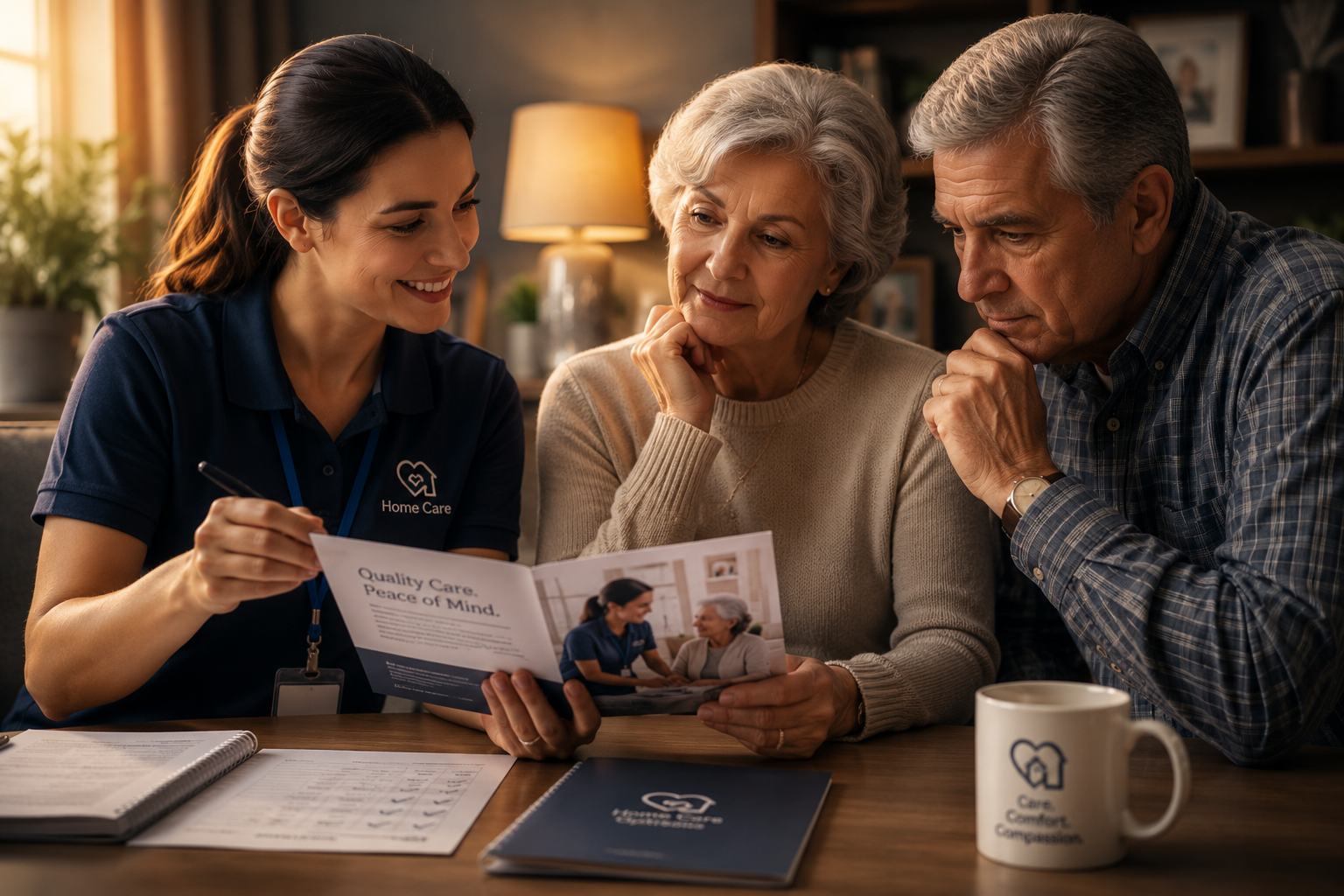
Choosing the wrong caregiver can create serious emotional and medical problems.
Families should never rush the process.
Ask About Certifications
Always verify licenses, training, and professional credentials.
Read Reviews Carefully
Look beyond star ratings.
Focus on detailed experiences from real families.
Request a Care Assessment
Professional agencies should evaluate the patient’s physical, emotional, and medical needs before recommending care plans.
Prioritize Communication
Good caregivers communicate clearly with both patients and family members.
Transparency matters.
Trust Emotional Compatibility
Patients should feel emotionally comfortable with caregivers.
Compassion matters just as much as qualifications.
Best Wellness Products for Elderly Care at Home
Many families improve safety and comfort by combining home care with supportive wellness products.
Simple tools can dramatically improve independence and reduce stress.
Helpful products may include:
- Adjustable support pillows
- Mobility aids
- Non-slip bathroom mats
- Medication organizers
- Sleep support products
- Compression support tools
- Recovery cushions
Families looking for practical wellness tools often explore supportive recovery products through Vigrovia Senior Wellness Collection to help aging parents stay safer and more comfortable at home.
The goal is not replacing professional care.
The goal is creating a safer, healthier daily environment.
Common Mistakes Families Make
Many families make rushed caregiving decisions that create bigger problems later. One common mistake is waiting too long to seek help. Early support often leads to better outcomes and reduces caregiver burnout.
Another mistake is choosing care based only on price. Cheap care is not always safe or reliable. Families should also pay attention to emotional health because loneliness, anxiety, and depression affect many seniors silently.
Failing to plan ahead can create stress during emergencies. Families should always verify caregiver credentials, certifications, background checks, and references before choosing long-term care support.
Frequently Asked Questions
What does home health care include?
Home health care may include nursing support, therapy, medication management, elderly assistance, rehabilitation, and personal daily care inside the patient’s home.
Is home health care only for seniors?
No.
Home health care also supports patients recovering from surgery, illness, injuries, disabilities, or chronic medical conditions.
Does Medicare cover home health care?
Some Medicare plans may cover eligible medical home health care services if prescribed by a doctor.
Coverage varies based on medical needs and provider qualifications.
What is the difference between home care and home health care?
Home care usually focuses on non-medical assistance like bathing or meal preparation.
Home health care includes skilled medical services provided by licensed professionals.
Is home health care safe?
Yes, when families choose licensed, trusted, and certified providers with verified experience and safety procedures.
Final Thoughts
Caring for loved ones should never feel overwhelming, confusing, or emotionally isolating. The right Home Health Care Guide helps families make smarter decisions that protect both physical health and emotional well-being. For many seniors, remaining at home means preserving dignity, independence, comfort, and connection with loved ones.
Whether you are exploring elderly care at home for aging parents, recovery support after surgery, or long-term assistance for chronic conditions, understanding your options helps families make confident and informed decisions. Small improvements in support today can create a safer and more peaceful future for everyone involved.
To learn more about wellness-focused recovery, healthy aging, and supportive lifestyle resources, visit Vigrovia Home Care