On this page
Tired of Being Tired? The Overnight Sleep Fix You Need
Quick answer: Waking up tired after eight hours usually points to poor sleep quality, not quantity. Stress, late screen time, noise and an irregular schedule interrupt deep sleep. A consistent bedtime, a dark quiet room and less screen time are the simplest overnight fixes.
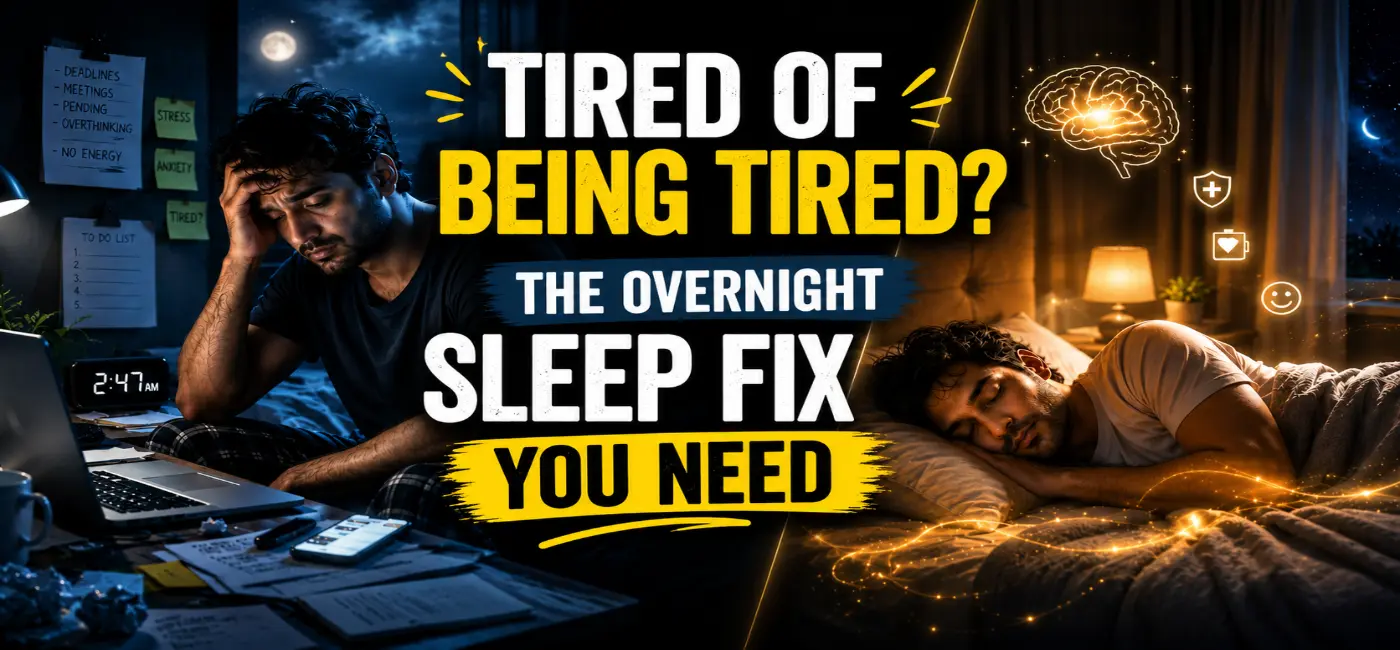
You wake up tired even after you have slept for eight hours. Your brain is foggy even before the day has started. Coffee fixes it for a little while, but then you feel exhausted again. This occurs to millions of people on a daily basis.
Poor sleep affects more than just energy levels. It can influence mood, focus, stress, metabolism, productivity, and long-term wellness. Many people blame busy schedules or work pressure, but poor sleep quality is often the real hidden problem.
The good news is that better sleep does not always require complicated routines or expensive treatments. Sometimes the best overnight sleep fix starts with understanding what disrupts your body during rest and creating healthier nighttime habits that help you wake up refreshed and mentally clear.
Why So Many People Wake Up Tired
Many people think that the more hours you sleep, the better. However, the quality of your sleep is more important than the quantity. You can sleep up to 8 hours and still feel tired. This is because your body is not given enough time that allows you to sleep deeply and thoroughly. Many people’s lifestyle and habits do not allow them to have proper rest due to different factors such as stress and the use of technology these days
One of the biggest causes of poor sleep is overstimulation before bedtime. Endless scrolling, blue light exposure, anxiety, and constant mental stress can keep the brain alert when it should be relaxing. This may lead to shallow sleep, frequent waking, brain fog, and waking up tired even after a full night in bed. Many people now use Sleepbuds for deeper restorative sleep to create a calmer nighttime environment and reduce distractions naturally.
Many women especially experience sleep challenges linked to stress, emotional overload, hormonal changes, and busy routines. Over time, poor sleep may affect mood, energy, focus, skin health, productivity, and overall wellness. The best overnight sleep fix is often about helping the body and mind stay calm long enough to complete natural recovery cycles properly.
Hidden Signs Your Sleep Is Hurting Your Health
Poor sleep often builds slowly until exhaustion starts feeling normal. If you wake up irritated, struggle to focus, crave sugar, or depend heavily on caffeine, your body may already be affected by low-quality sleep. Physical signs like headaches, puffy eyes, muscle tension, and constant fatigue can also appear over time.
Sleep deprivation does more than make you tired. Research suggests long-term poor sleep may affect immunity, memory, metabolism, stress hormones, and heart health. Deep sleep is when the body repairs muscles, balances hormones, calms the nervous system, and restores mental energy naturally.
Many wellness experts now recommend improving nighttime routines instead of relying only on daytime stimulants. Limiting blue light, reducing stress before bed, using calming sounds, and creating a relaxing sleep environment may help support healthier sleep patterns. You can explore more wellness-focused sleep support on Vigrovia.
How Stress and Technology Disrupt Deep Sleep
Stress can keep the nervous system active even during sleep. Instead of reaching deep restorative rest, the body may stay in a lighter sleep state, leading to tossing, turning, frequent waking, and waking up exhausted even after several hours in bed.
Modern technology can make sleep problems worse. Late-night exposure to phones, tablets, and televisions may interfere with melatonin production and natural sleep rhythms. Research shared by Sleep Foundation also explains how blue light and nighttime disruptions can negatively affect overall sleep quality and recovery.
Many people now use calming nighttime routines to support healthier sleep naturally. Reducing screen time, keeping bedrooms cool and dark, limiting caffeine, practicing deep breathing, and using relaxing audio or meditation sounds may help create a more peaceful sleep environment and improve long-term rest quality.
The Science Behind Better Overnight Sleep
The body runs on a natural internal clock called the circadian rhythm, which controls sleep timing, hormones, energy, and recovery. When this rhythm becomes disrupted by stress, irregular schedules, travel, or excessive screen time, sleep quality often declines and the body struggles to fully recharge overnight.
Deep sleep plays a major role in muscle recovery, immune support, memory processing, and emotional balance. While melatonin naturally increases at night to help the body relax, high stress hormones like cortisol may interfere with deeper restorative sleep cycles.
Many people looking for the best overnight sleep fix simply want to wake up feeling refreshed and mentally clear again. According to Harvard Medical School Sleep Medicine, consistent nighttime routines and calming sleep environments may improve long-term sleep quality more effectively than temporary quick fixes.
Why Sleepbuds Are Becoming a Popular Sleep Solution
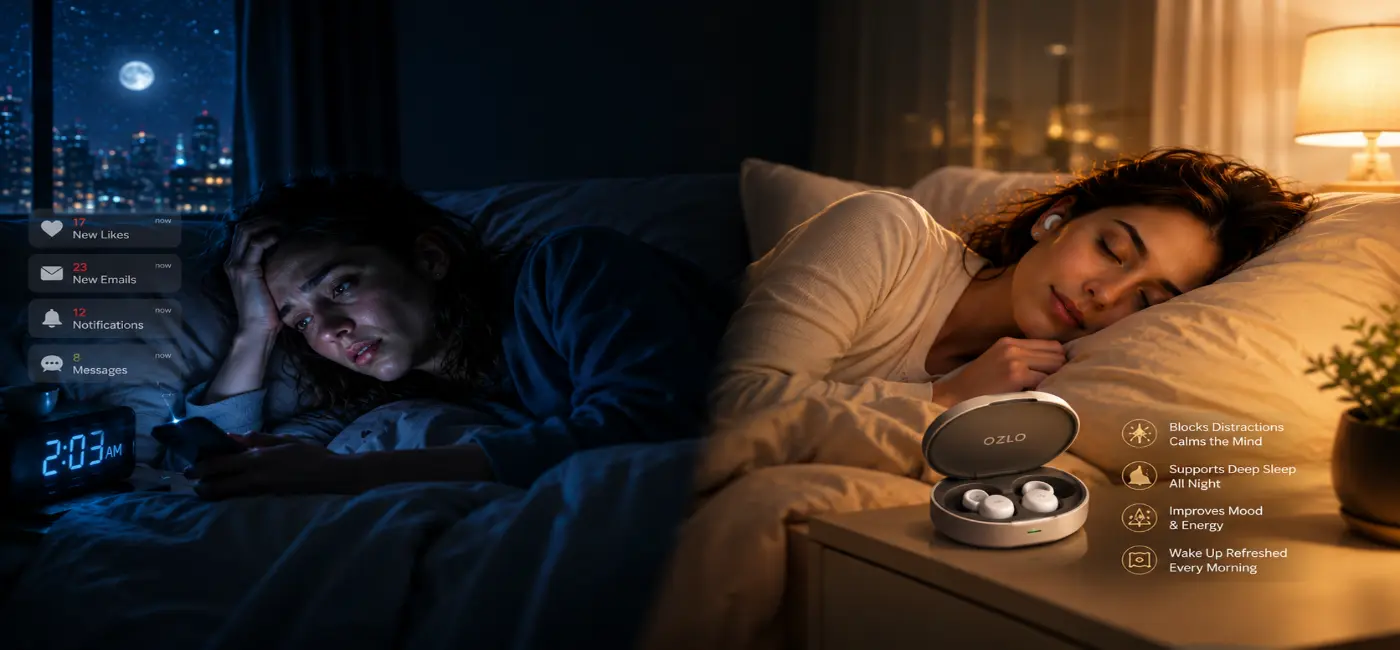
Sleepbuds are designed to create a calmer and more comfortable nighttime environment. Unlike regular headphones, they are typically lightweight, sleep-friendly, and built to support relaxation with soothing audio experiences throughout the night.
Many people use sleepbuds to reduce stress, block environmental noise, and quiet racing thoughts before bedtime. Calming sounds like white noise, rain, nature audio, meditation tracks, and soft ambient music may help create a more peaceful sleep atmosphere naturally.
When combined with healthy sleep habits, sleepbuds may support:
Faster relaxation before bed
Reduced nighttime distractions
More peaceful sleep environments
Better next-day focus and energy
Lower mental exhaustion and stress
You can explore more wellness-focused sleep support and lifestyle insights through Vigrovia Sleep Wellness Resources.
Benefits of Improving Sleep Naturally
Improving sleep quality naturally can positively affect both mental and physical wellness. Many people notice better energy, improved focus, and a calmer mindset within days of building healthier nighttime habits and getting deeper restorative sleep.
Deep sleep helps the body recover, regulate hormones, support immunity, and improve emotional balance. Better sleep may also reduce brain fog, improve stress management, and help daily tasks feel less mentally exhausting over time.
People who prioritize healthy sleep often report:
Better focus and productivity
More stable daily energy
Improved workout recovery
Healthier skin appearance
Reduced stress and mental fatigue
Better emotional resilience
More consistent mood throughout the day
The best overnight sleep support is often about helping the body recover properly so mornings feel refreshed instead of exhausting.
Common Sleep Mistakes People Make
Many people try to fight exhaustion with caffeine instead of improving their sleep habits directly. Staying on phones late at night, endless scrolling, and inconsistent sleep schedules can overstimulate the brain and disrupt the body’s natural sleep rhythm over time.
Another common mistake is expecting instant results from sleep products without changing bedtime routines. Even the best overnight sleep support works more effectively when combined with calming habits like reducing stress, limiting screen time, and creating a relaxing nighttime environment.
Simple lifestyle adjustments can make a major difference in sleep quality and morning energy levels. Helpful habits include:
Following a consistent sleep schedule
Avoiding excessive caffeine late in the day
Keeping bedrooms cool, dark, and quiet
Using gentle calming sounds instead of loud audio
Practicing deep breathing or meditation before bed
Improving mattress and pillow comfort
Avoiding these common sleep mistakes may help the body recover more deeply and improve overall daily energy naturally.
Frequently Asked Questions
What is the best sleep fix overnight?
The best sleep fix overnight usually combines healthy sleep habits with calming tools that help reduce stress and nighttime distractions. Sleepbuds, calming routines, and consistent schedules may support deeper sleep naturally.
Why do I still wake up tired after sleeping?
Poor sleep quality, stress, interrupted sleep cycles, blue light exposure, anxiety, and inconsistent schedules may all contribute to waking up tired even after several hours of sleep.
Are sleepbuds safe for overnight use?
Many sleepbuds are specifically designed for overnight comfort and relaxation. Choosing lightweight, sleep-focused designs may improve comfort during nighttime use.
Can stress affect sleep quality?
Yes. Stress activates the nervous system and may make it harder for the body to enter deep restorative sleep. Relaxation techniques and calming bedtime routines may help improve sleep quality.
How can I sleep better naturally?
You can improve sleep naturally by reducing screen exposure before bed, following a consistent sleep schedule, limiting caffeine late in the day, and creating a relaxing nighttime environment.
How long does it take to improve sleep habits?
Many people notice improvements within days or weeks after consistently practicing healthier sleep routines and reducing nighttime stressors.
Final Thoughts
Constant fatigue is never a good sign. Night activities may impact your health, energy, concentration, mood, productivity, and much more. Making a few changes to your daily routine can have a great effect on your body and mind in the long run.
The best overnight sleep support often begins with understanding how stress, screen exposure, and your sleep environment affect the body during rest. Creating calming bedtime routines and reducing nighttime overstimulation may help improve sleep quality naturally and support deeper recovery.
Simple habits like reducing screen time before bed, managing stress levels, creating a peaceful sleep environment, and using supportive wellness tools such as sleepbuds may help you wake up feeling calmer, refreshed, and more energized each morning. For more wellness insights and healthy sleep support resources, visit Vigrovia.

Ahetesam Sabugar
Ahetesam Sabugar is the founder of Vigrovia. He researches and writes guides on skincare, supplements, fitness recovery and home-gym gear. He isn't a doctor, so every article is built from published studies, ingredient labels and trusted sources like the NIH and Cleveland Clinic, and is updated when new research comes out.
More articles by Ahetesam →