On this page
Essential Oils Guide 2026: Types, Benefits & Safe Use
Quick answer: Essential oils are concentrated plant extracts used three ways: diffused, diluted into a carrier oil for skin, or added to steam or a bath. Never swallow them. Dilute to 0.5–1% for the face and 1–2% for the body, and keep citrus oils off sun-exposed skin.


Key takeaways
- Essential oils are concentrated plant extracts. They are used three ways only: diffused into the air, diluted into a carrier oil for the skin, or added to a steam bowl or bath. They are not swallowed.
- Dilution: 0.5–1% for the face, 1–2% for the body, up to 5% for a spot treatment. Clove and cinnamon: 0.5% maximum.
- Citrus and sun: cold-pressed citrus oils are phototoxic. Avoid sun exposure for at least 12 hours after applying them to skin.
- “Therapeutic grade” and “food grade” are marketing terms. Neither carries any regulatory meaning.
- Pets: tea tree is the most dangerous around cats and dogs; citrus, peppermint, eucalyptus, cinnamon and pine are also risky.
- Sleep: the evidence is limited. NCCIH states that although aromatherapy is often used for insomnia, we do not know whether it works.
An essential oil is a highly concentrated essential extract obtained from the flowers, leaves and bark, peel or resin of a plant, by steam distillation, or cold-pressing in the case of citrus. The most commonly used are lavender, tea tree, peppermint, eucalyptus and frankincense. They can be used in three ways: diffused into the air, diluted into a carrier oil for the skin, or added to a bath or steam bowl. They are not taken internally.
Every oil covered here was chosen on purity documentation, sourcing transparency and price per ml, not on marketing claims. Where the research is weak, this guide says so rather than filling the gap with a promise.
The five oils most people should start with
- Lavender – the general-purpose calming oil; the most studied of the group
- Tea tree – antimicrobial; the standard choice for blemishes and athlete’s foot
- Peppermint – headaches, fatigue, digestive discomfort
- Eucalyptus – congestion and stuffiness
- Frankincense – grounding scent; used for mood and skin
A word on expectations, stated plainly: essential oils are pleasant, low-cost and reasonably safe when diluted – but the clinical evidence behind most health claims is thin. The National Center for Complementary and Integrative Health says outright that aromatherapy is often used for insomnia but “we don’t know whether it’s” effective, because rigorous research is scarce. This guide separates what is established from what is marketing.
What essential oils actually are
A plant creates aromatic compounds for its own purposes – to attract pollinators, repel insects, fight fungus. Distillation intensifies those compounds enormously. Roughly 250 pounds of lavender flowers yield one pound of oil, hence a 10 ml bottle of a slow-growing, resin oil such as frankincense can cost several times that of a citrus oil.
That concentration is the whole point and the whole risk. A single drop of undiluted oregano or cinnamon oil on skin can burn. The same drop, diluted to 1% in jojoba, is unremarkable.
How the main extraction methods differ
| Method | Used for | What it means for you |
|---|---|---|
| Steam distillation | Most oils — lavender, tea tree, peppermint | The standard. Heat separates volatile compounds from plant matter. |
| Cold pressing (expression) | Citrus peels — lemon, orange, bergamot | No heat, brighter scent — but retains furanocoumarins, which react with sunlight. |
| Solvent extraction | Delicate florals — jasmine, rose | Produces an “absolute”, not technically an essential oil. Trace solvent may remain. |
| CO² extraction | Premium resins and spices | Closest to the living plant’s aroma; expensive. |
An “essential oil” sold at a price that undercuts the raw material is almost certainly diluted or synthetic. Our separate guide on how to spot fake essential oils covers the five tests you can run at home.
How we choose and test
We are a wellness retailer, not a laboratory, so it is worth being plain about what that means for this guide.
- Personal use. Every oil listed is one we stock and have used ourselveon- diffused, diluted and applied – rather than summarised from a supplier’s product page.
- Purity documentation. We look for the Latin botanical name, a stated country of origin and a traceable batch number. An oil that carries none of the three does not make the list.
- Packaging. Dark amber or cobalt glass only. Clear glass and plastic both let an oil degrade.
- Price sanity. Cost is compared per ml rather than per bottle. Citrus oils should be cheap and resins expensive; a range priced flat across both is a warning sign.
- Claims. We exclude suppliers who use “food grade”, “therapeutic grade” or any language implying a cure. None of those terms carries regulatory meaning.
- What we do not do. We do not run our own GC/MS analysis. Where purity matters most, we rely on the supplier’s certificate of analysis, and we say when one is unavailable.
Quick comparison: 12 essential oils
| Oil | Best for | How to use | Evidence strength | Price |
|---|---|---|---|---|
| Lavender | Relaxation, sleep routine, minor skin irritation | Diffuse; 1–2% topical | Moderate — most studied | $29.00 |
| Tea Tree | Blemishes, athlete’s foot, fungal nails | Dilute to 5% for spot use | Moderate | $19.00 |
| Peppermint | Headache, fatigue, focus, digestion | Diffuse; 1% on temples | Moderate | $21.00 |
| Eucalyptus | Congestion, stuffy sinuses | Steam inhalation; diffuse | Moderate | $19.00 |
| Frankincense | Mood, grounding, mature skin | Diffuse; 1–2% topical | Limited | $49.00 |
| Sweet Orange | Mood lift, natural cleaning | Diffuse; 1% topical | Limited | $16.00 |
| Ylang Ylang | Tension, floral perfumery | Diffuse sparingly — strong | Limited | $49.00 |
| Patchouli | Grounding base note, skin | 1–2% topical | Limited | $31.00 |
| Lemon Myrtle | Air freshening, antimicrobial | Diffuse; 0.5–1% topical | Limited | $39.00 |
| Citronella | Insect deterrence outdoors | Diffuse outdoors; 1% topical | Moderate for repellency | $19.00 |
| Clove | Oral discomfort, warming blends | 0.5% maximum — irritant | Moderate for topical analgesia | $21.00 |
| Cinnamon | Warming winter blends | 0.5% maximum — strong irritant | Limited | $21.00 |
All twelve are stocked on the Vigrovia essential oils page. Prices shown are current at publication.
The oils in detail
Lavender


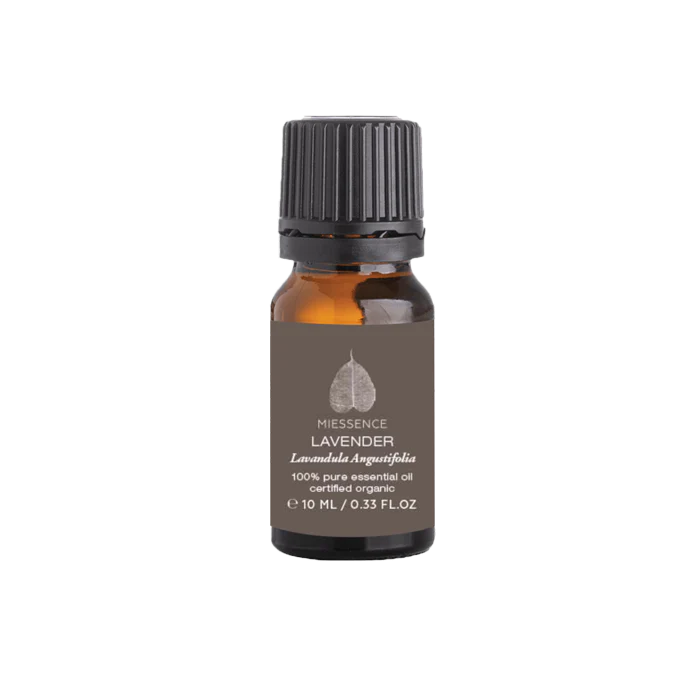
The default recommendation, and the one with the most research behind it. Lavender is used for winding down, for a calmer bedroom, and diluted on minor skin irritation.
What the evidence says.Lavender has been the subject of more research than any other essential oil in relation to sleep and anxiety, including several systematic reviews on inhaled lavender. The results are mixed – some trials show small improvements in objective sleep quality scores, others show no effect. The NCCIH take the view that the evidence base is still too limited to draw firm conclusions. Lavender should be considered as a relaxing addition to a bedtime routine rather than a treatment for sleep problems.
How to use. Two to three drops in a diffuser 30 minutes before bed; or 1–2% in a carrier oil on wrists and neck. A few drops on a tissue tucked into the pillowcase works as well as anything.
Safety. Cleveland Clinic notes that lavender and tea tree have been flagged as possible hormone disruptors in young boys – worth knowing if you are diffusing nightly in a child’s room.
We go deeper into the lavender claims in Your Brain on Lavender Oil Every Night.
Tea Tree
Antibacterial and antifungal, with the strongest practical track record of any oil in this list for a specific job: blemishes, athlete’s foot, and fungal nail problems.
How to use. Dilute to roughly 5% for spot application. Cleveland Clinic describes neat application on acne as one of the rare exceptions to the dilution rule – we still suggest diluting, because tea tree sensitisation is common and builds with repeated exposure.
Safety. Neurotoxic in quantity. Do not diffuse tea tree around small children or pets, and never let a cat near it – cats lack the liver enzymes to process the compounds.
Peppermint
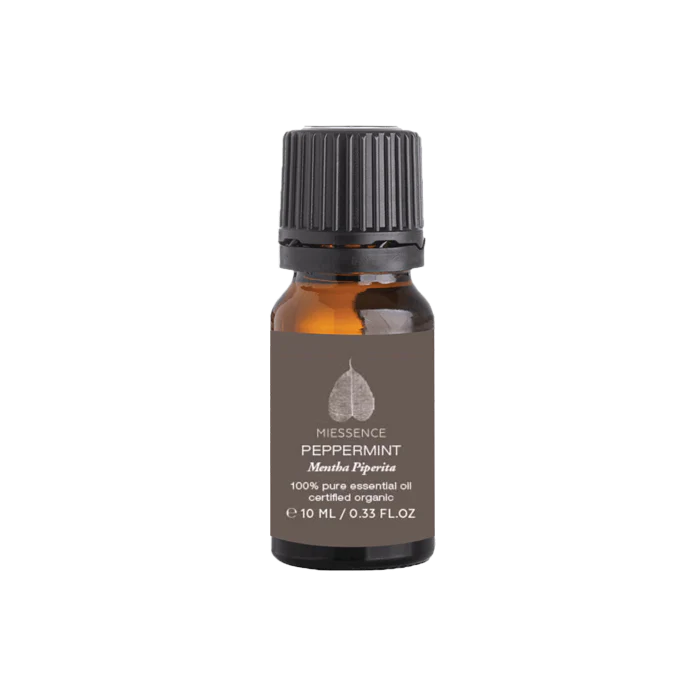

Sharp, cooling, and useful for three distinct things: tension headaches, afternoon flagging, and digestive discomfort.
How to use. A 1% dilution rubbed into the temples and back of the neck for headache – keeping well clear of the eyes, which will sting from the vapour alone. Diffuse for alertness.
Safety. Not for infants or young children; inhaled menthol can cause breathing difficulty in babies.
Eucalyptus
The congestion oil. Steam inhalation – a few drops in a bowl of hot water, towel over the head – is the traditional use and still the most effective delivery.
Safety. Like tea tree, eucalyptus is neurotoxic in quantity and has been linked to seizures. Keep it away from small children and animals.
Frankincense
A resin oil with a warm, slightly smoky scent. Popular for meditation and grounding, and used in skincare for mature skin. Evidence for the skin claims is limited; the scent itself is the reliable benefit.
Sweet Orange, Lemon Myrtle, Ylang Ylang, Patchouli
- Sweet Orange – the cheapest entry point at $16.00 and the easiest scent to live with. Doubles as a natural surface cleaner.
- Lemon Myrtle – higher citral content than lemon; bright and antimicrobial. Can irritate above 1%.
- Ylang Ylang – intensely floral. Two drops is plenty; more becomes cloying and has been reported to trigger headaches.
- Patchouli – earthy base note that anchors a blend. Thickens with age, which is normal.
The three to handle carefully
Clove, Cinnamon and Citronella all have legitimate uses, but the first two are strong dermal irritants. Keep both at or below 0.5% in anything that touches skin, and never use them neat. Citronella is for outdoor insect deterrence, not general diffusion.
How to dilute: the numbers
A carrier oil is any neutral plant oil – jojoba, fractionated coconut, sweet almond, grapeseed.
| Use case | Dilution | Drops per 30 ml (1 oz) carrier |
|---|---|---|
| Face, daily use | 0.5–1% | 3–6 drops |
| Body, daily use | 1–2% | 6–12 drops |
| Body, short-term targeted | 3% | 18 drops |
| Spot treatment, brief | 5% | 30 drops |
| Children over 2, elderly, pregnancy | 0.25–0.5% | 1–3 drops |
| Clove, cinnamon, oregano — any use | 0.5% max | 3 drops |
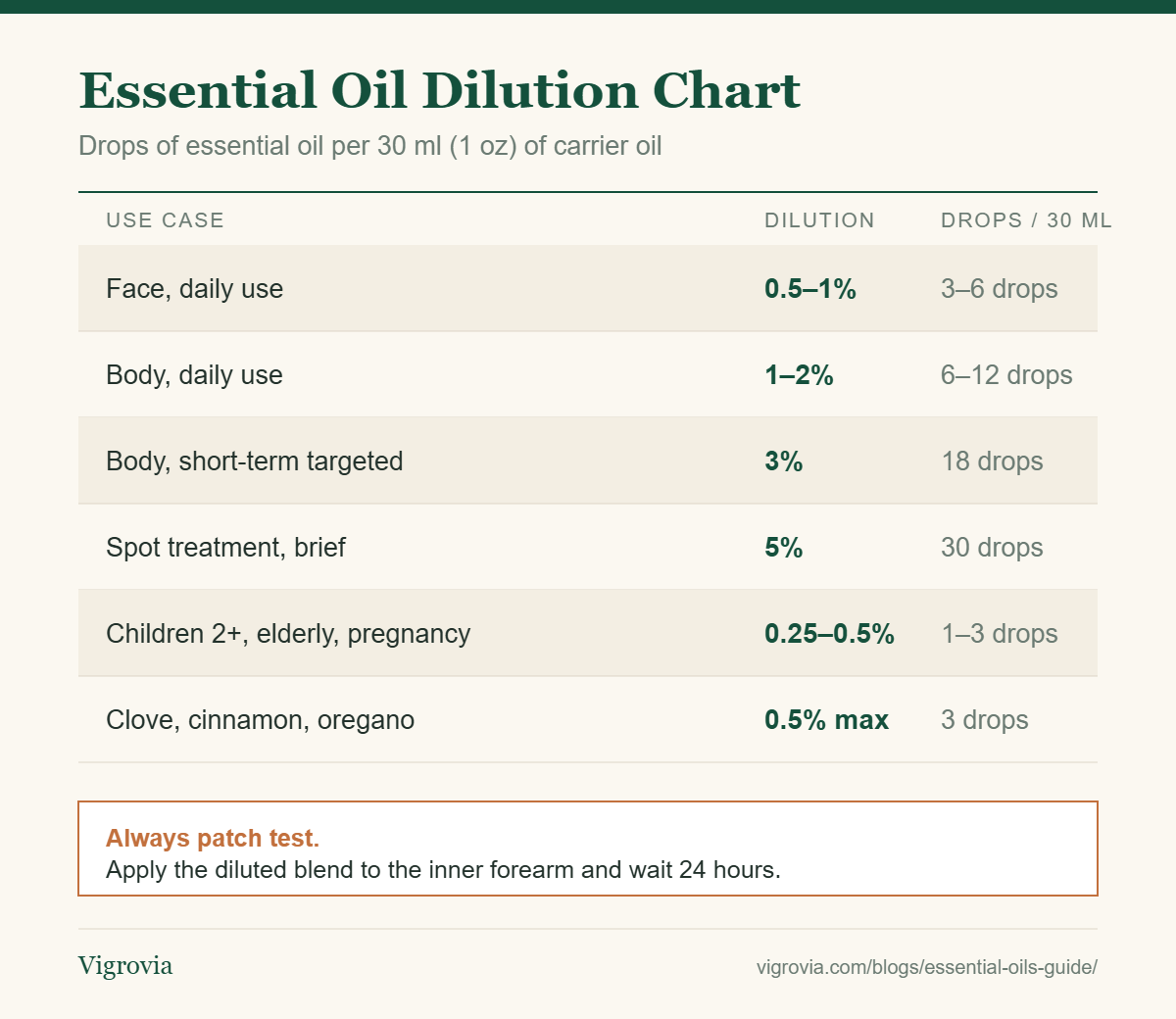

Always patch test. Apply the diluted blend to the inner forearm and wait 24 hours before using it more widely. Sensitisation to essential oils is cumulative – an oil you have used happily for years can turn on you.
Sunlight and citrus: the one rule people miss
Cold-pressed citrus oils contain furanocoumarins, which react with UV light and can produce a severe burn hours after application. This catches people out because the oil feels harmless at the time.
According to the Tisserand Institute, bergamot is the most phototoxic of the common oils, with a maximum of 0.4% in a leave-on skin product. Expressed lime, lemon and grapefruit carry similar limits. Avoid sun exposure and tanning beds for at least 12 hours after applying any of them to skin.


Safe alternatives: steam-distilled lemon and lime, mandarin, tangerine, yuzu, and bergamot FCF (furanocoumarin-free) are not phototoxic.
Sweet orange is among the lower-risk citrus oils, but the 12-hour rule is a sensible default for any citrus oil on skin that will see daylight.

Safety rules that are not negotiable
Never swallow essential oils. Cleveland Clinic is unambiguous: ingestion can burn the tissues of the mouth and throat and cause real harm. “Therapeutic grade” and “food grade” are marketing terms, not regulatory categories. If you have seen advice to put oils in water or under the tongue, disregard it unless a qualified clinician is directing your care.
Pets. Essential oils are toxic to animals. Cats are the most vulnerable – tea tree in particular. If you diffuse, do it in a room the animal can leave.
Children. Johns Hopkins and Children’s Hospital of Philadelphia both advise caution. Eucalyptus and peppermint should be kept away from infants and toddlers entirely.
Pregnancy. Rosemary is specifically flagged to avoid. Keep all dilutions at 0.5% or below and check with your provider.
Existing conditions. Rosemary is also flagged for epilepsy and high blood pressure. Tea tree and eucalyptus have been associated with seizures in susceptible people.
Rotation. Cleveland Clinic notes that the body adapts to constant exposure. Rotate oils rather than using the same one daily and indefinitely.
This guide is educational and is not medical advice. Essential oils are not a treatment for any medical condition. Speak to a qualified healthcare provider before using them if you are pregnant, nursing, managing a health condition, or using them with children.
Three ways to use them
Diffusion. An ultrasonic diffuser with 3–5 drops, run 30–60 minutes at a time in a ventilated room. Continuous all-day diffusion is neither necessary nor advisable.
Topical. Diluted per the table above. Best after a shower, when skin is warm and slightly damp.
Steam and bath. Three drops in a bowl of hot water for congestion. For a bath, disperse the oil in a tablespoon of carrier or full-fat milk first – oil dropped straight into bathwater floats in undiluted beads and lands on skin at full strength. This is also the problem that water-soluble essential oils are formulated to solve.
How to buy: what actually matters
| Signal | What to look for | Why |
|---|---|---|
| Latin botanical name | Lavandula angustifolia, not “lavender” | Different species behave differently |
| Country of origin | Stated on the label | Vague sourcing usually means blended stock |
| Bottle | Dark amber or cobalt glass | UV degrades oils; clear glass or plastic is a red flag |
| Batch number | Present, traceable | Enables a GC/MS report request |
| Price sanity | Compare per ml, not per bottle | Citrus cheap, resins expensive — uniform pricing is suspicious |
| Claims | No “cures”, no “food grade” | Both indicate a seller ignoring regulation |
Full method in How to Spot Fake Essential Oils: 5 Purity Tests. For specific product picks, see 10 Best Essential Oils: Benefits & How to Use Them.
Storage
Cool, dark, tightly capped. Citrus oils oxidise fastest – 1 to 2 years – while resins and woods such as patchouli, frankincense and sandalwood improve with age. Oxidised oil is more likely to irritate skin, so an oil that smells sharp or “off” compared to when you bought it should be retired to cleaning use.
Building a starter kit
Three-oil kit – around $64. Lavender ($29), Tea Tree ($19), Sweet Orange ($16). Covers calm, antimicrobial and mood.
Six-oil kit – around $153. Add Peppermint ($21), Eucalyptus ($19) and Frankincense ($49). Covers headaches, congestion and grounding.
Add a carrier oil and a 10 ml roller bottle and you can make everything in this guide. Pre-blended options – the Tranquil and Inspire Aura Mists at $26 and the wrist oils – skip the mixing if you would rather not measure.
Five blends worth making
Exact drop counts, using oils from the range above. A “carrier” is jojoba, fractionated coconut, sweet almond or grapeseed. Every roll-on below sits inside the dilution limits in the chart.
Evening wind-down – diffuser
3 drops lavender + 2 drops sweet orange. Run for 30 minutes before bed, not all night.
Blocked head – steam bowl
2 drops eucalyptus + 1 drop peppermint in a bowl of hot water. Towel over the head, eyes closed, five minutes. Not for young children.
Tension roll-on – 10 ml, 2%
2 drops lavender + 2 drops peppermint in 10 ml carrier. Temples, back of the neck, shoulders. Keep clear of the eyes.
Blemish spot treatment – 10 ml, 5%
10 drops tea tree in 10 ml carrier. Cotton bud, on the spot only, once or twice a day. Stop if the skin reddens.
Grounding evening blend – diffuser
2 drops frankincense + 2 drops patchouli + 1 drop sweet orange. Heavier than the lavender blend; good for reading or meditation.
Two rules apply to all five. Mix small batches, because diluted blends keep for weeks rather than years. And patch test any new blend on the inner forearm before using it properly.
Five mistakes worth avoiding
- Using oils neat. The most common cause of essential oil reactions is skipping the carrier. Sensitisation builds quietly and is usually permanent.
- Diffusing all day. Thirty to sixty minutes is enough. Continuous diffusion dulls your own response to the scent and is harder on pets and children sharing the room.
- Dropping oil straight into a bath. Undiluted beads float and land on skin at full strength. Disperse in a tablespoon of carrier or full-fat milk first.
- Trusting the words “therapeutic grade”. No regulator issues that label. It tells you about the marketing, not the oil.
- Buying the biggest bottle first. Citrus oils turn within a year or two. A 10 ml bottle you finish beats a 50 ml bottle that oxidises.
Frequently asked questions
Are essential oils safe to use every day?
Most are safe for daily use when diluted to 1–2% in a carrier oil. Undiluted application can cause irritation and sensitisation. Lavender and chamomile are the gentlest for daily use; cinnamon, clove and oregano should be occasional only.
Can you put essential oils directly on skin?
No – dilute first. The common exception cited for tea tree on a blemish is still better handled at about 5% dilution, because repeated neat use is the main route to developing a sensitivity.
Can you swallow essential oils?
No. Ingestion can burn mouth and throat tissue. “Therapeutic grade” and “food grade” labels carry no regulatory meaning and do not make an oil safe to drink.
Do essential oils actually help you sleep?
The evidence is limited. NCCIH states that although aromatherapy is often used for insomnia, we do not know whether it works. Lavender is the most-studied option and some trials show modest improvement in self-reported sleep quality. Treat it as part of a wind-down routine, not a remedy. For a more direct approach to noise-related sleep problems, see our Sleepbuds range.
Which essential oils are unsafe around cats and dogs?
Tea tree is the most dangerous, and citrus, peppermint, eucalyptus, cinnamon and pine are all risky. Cats are particularly vulnerable. Diffuse only in rooms the animal can leave freely.
Why do citrus oils cause sunburn?
Cold-pressed citrus oils contain furanocoumarins that react with UV light. Bergamot is the strongest – safe only up to 0.4% in leave-on skin products. Avoid sun for at least 12 hours after applying any expressed citrus oil.
How long do essential oils last?
Citrus oils, 1–2 years. Florals and herbs, 2–3 years. Resins and woods such as frankincense and patchouli, 4–8 years and often improving. Store in dark glass, away from heat.
What is the difference between an essential oil and a fragrance oil?
An essential oil is extracted from plant material. A fragrance oil is synthetic or partly synthetic, formulated for scent alone. Fragrance oils are cheaper and more consistent, but carry none of the plant compounds. A label reading only “fragrance” or “parfum” is not an essential oil.
Related reading: what the “therapeutic grade” label really means, our US buying picks, and rosehip oil as a carrier.
The bottom line
Essential oils are valuable assets capable of perfuming a room, facilitating relaxation, and in the case of tea tree, treating the occasional spot. However, they should not be considered as medicines and no amount of labelling which suggests that they are ‘therapeutic grade’ alters this fact.
If there is one thing which you take away from this guide it should be to dilute before applying to the skin, not to ingest them, to avoid applying citrus oils to skin which will be exposed to sunlight. And finally, to only buy from a supplier who can identify the oils using their Latin name, their origin and can provide batch testing results.
Start with three oils, not twelve. Lavender, tea tree and sweet orange plus a carrier oil will cover almost everything on this page for about $64 – and you will actually finish the bottles before they oxidise.


Ahetesam Sabugar
Ahetesam Sabugar is the founder of Vigrovia. He researches and writes guides on skincare, supplements, fitness recovery and home-gym gear. He isn't a doctor, so every article is built from published studies, ingredient labels and trusted sources like the NIH and Cleveland Clinic, and is updated when new research comes out.
More articles by Ahetesam →
