
On this page
Top 10 Superfoods to Eat in 2026 (Backed by Nutritionists)
Quick answer: The best superfoods to eat are everyday, nutrient-dense foods such as berries, leafy greens, oily fish, nuts, seeds, legumes and whole grains. You don’t need exotic powders — adding a few of these to meals you already eat does most of the work.
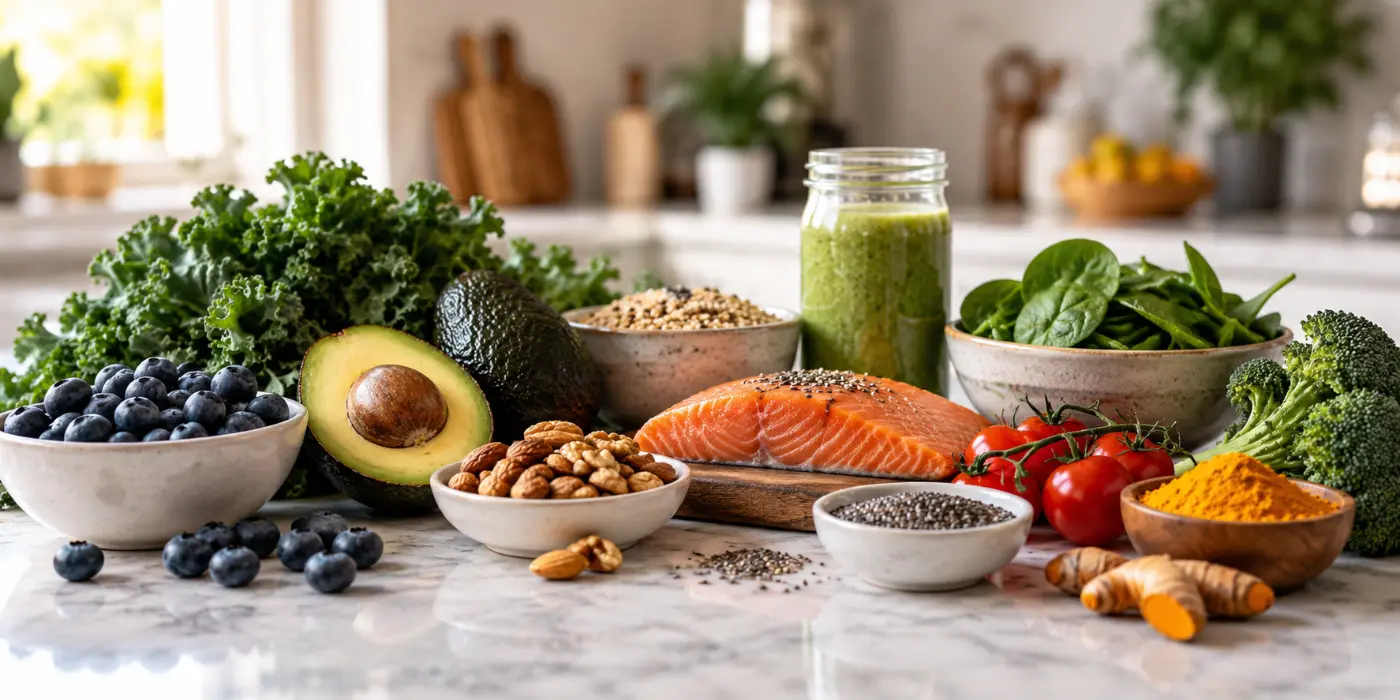
You already know you should eat healthier – but between confusing labels, viral diet trends, and a hundred “miracle” foods promising everything, it’s genuinely hard to know what’s actually worth putting on your plate. Most people end up either overwhelmed, spending money on hyped powders that don’t deliver, or giving up and reaching for whatever’s convenient. The result? Low energy, poor digestion, stubborn weight, and a nagging feeling that your diet is quietly working against you.
Here’s the good news: you don’t need 50 exotic ingredients to transform your health. Nutritionists agree that a small handful of nutrient-dense, science-backed superfoods – eaten consistently and in variety – can boost your energy, support your gut, protect your heart, and help you feel genuinely better in 2026. This guide cuts through the noise. Below you’ll find the top 10 superfoods to eat in 2026, why each one earns its spot (with the real nutrition behind it, not just hype), a quick comparison table, and simple ways to add them to your day.
If you’d rather get a concentrated dose of these superfoods in one scoop, a clean antioxidant blend like Berry Radical Antioxidant Superfood makes it effortless – but more on that below. Let’s start with what a superfood actually is.
What Exactly Is a “Superfood” (And Is It Even Real)?
A superfood is a food that’s exceptionally rich in nutrients relative to its calories – think vitamins, minerals, fiber, antioxidants, and healthy fats packed into a small serving. But here’s the honest truth most blogs won’t tell you: there is no official, scientifically regulated definition of “superfood.” As Harvard’s Nutrition Source points out, the term is more useful for driving sales than for optimal nutrition recommendations.
That doesn’t mean superfoods are a scam – it means you should be smart about them. The foods on this list are genuinely nutrient-dense and backed by decades of research. The key is treating them as powerful additions to a varied diet, not magic bullets.
- Superfoods are nutrient-dense: more nutrition per calorie.
- No single food can “cure” anything – variety is what actually works.
- The real win is consistency, not chasing the latest trend.
Why Should You Eat Superfoods in 2026?
Modern diets are heavier in processed foods, added sugar, and empty calories than ever – and our bodies feel it. Adding a few strategic superfoods is one of the simplest, most affordable upgrades you can make. Here’s what the research supports:
- More energy, fewer crashes — fiber and slow-digesting nutrients keep blood sugar steadier.
- Better gut health — fiber and probiotics feed the good bacteria your digestion depends on. (If you often feel bloated or sluggish, these are the 7 signs of an unhealthy gut to watch for.)
- Heart protection — omega-3s, monounsaturated fats, and polyphenols are linked to lower heart-disease risk.
- Stronger immunity — antioxidants and vitamins A, C, and E help your body defend itself.
- Easier weight management — high-fiber, high-protein foods keep you full longer.
According to Harvard Health, foods rich in fiber, omega-3s, and antioxidants consistently show up in the diets of the world’s healthiest populations.
Who Should Add These Superfoods to Their Diet?
Short answer: almost everyone. But these foods are especially worth prioritizing if you:
- Feel tired, foggy, or low on energy through the day.
- Struggle with digestion, bloating, or irregularity.
- Want to support your immune system year-round.
- Are working on weight management or building healthier habits.
- Eat a lot of processed or convenience food and want to rebalance.
You don’t have to overhaul everything overnight. Even adding two or three of these superfoods to your week makes a real difference.
How We Chose These Top 10 Superfoods
We didn’t just pick trendy ingredients. Every food on this list had to meet three criteria:
- Backed by nutrition science — real, documented health benefits, not marketing claims.
- Nutrient-dense — high nutrition per calorie, so every bite counts.
- Practical — affordable and easy to actually work into everyday meals.
For the top two spots, we’ve included concentrated superfood blends from our own Vigrovia superfood range – an easy way to get a wide spectrum of antioxidants and greens in a single scoop when whole foods alone aren’t convenient
Comparison Table - Top 10 Superfoods at a Glance
| # | Superfood | Key Nutrients | Best For |
|---|---|---|---|
| 1 | Berry Radical Antioxidant Blend | 30+ antioxidant berries, polyphenols | All-round antioxidant support |
| 2 | Deep Green Alkaliser | Greens, chlorophyll, alkalising minerals | Detox, energy & pH balance |
| 3 | Blueberries | Fiber, vitamin C, anthocyanins | Brain & heart health |
| 4 | Leafy Greens (kale, spinach) | Vitamin A, C, K, calcium, fiber | Immunity & bones |
| 5 | Salmon & Fatty Fish | Omega-3 fatty acids, protein | Heart & brain |
| 6 | Nuts (almonds, walnuts) | Monounsaturated fats, plant protein | Heart & satiety |
| 7 | Legumes (beans, lentils) | Fiber, folate, plant protein | Blood sugar & fullness |
| 8 | Greek Yogurt | Probiotics, calcium, protein | Gut & muscle |
| 9 | Cruciferous Veg (broccoli) | Fiber, phytochemicals | Cellular protection |
| 10 | Tomatoes | Vitamin C, lycopene | Heart & skin |
The Top 10 Superfoods to Eat in 2026
1. Berry Radical Antioxidant Superfood Blend (Best Overall)
If you want the biggest antioxidant punch in the least effort, this is where to start. Superfood combines more than 30 antioxidant-rich berries and superfoods into a single scoop – delivering the deep-colored polyphenols and disease-fighting compounds that make berries famous, without buying a dozen ingredients separately. Antioxidants help neutralize the free radicals linked to aging and chronic disease, and a concentrated blend makes daily consistency effortless.
- Over 30 antioxidant sources in one scoop.
- Rich in the polyphenols found in dark-colored berries.
- Mixes into water, smoothies, or yogurt in seconds.
Why it’s #1: It turns “eat more antioxidants” from a chore into a 10-second daily habit. Try Berry Radical here.
2. Deep Green Alkaliser Superfood (Best for Energy & Detox)
Getting enough greens is the #1 struggle for most people. Deep Green Alkaliser solves that with a concentrated blend of leafy greens, chlorophyll, and alkalising superfoods designed to support natural detoxification, steady energy, and a balanced internal environment. If salads aren’t your thing, this is the shortcut to your daily greens.
- Concentrated leafy greens and chlorophyll in one scoop.
- Supports energy, detox, and pH balance.
- An easy win on days you can’t fit in vegetables.
Why it’s #2: Most people are chronically low on greens – this closes the gap instantly. Get Deep Green Alkaliser here.
3. Blueberries
Small but mighty, blueberries are one of the most studied superfoods on earth. They’re high in fiber, vitamin C, and anthocyanins – the antioxidants behind their deep blue color – and are consistently linked to better brain and heart health.
- Naturally sweet and low in calories.
- Great fresh, frozen, or blended.
4. Leafy Greens (Kale, Spinach, Swiss Chard)
Leafy greens deliver vitamin A, vitamin C, vitamin K, calcium, and fiber for very few calories. They support immunity, bone strength, and digestion – and they’re endlessly versatile.
- Add to smoothies, soups, eggs, or salads.
- Rotate varieties for a wider nutrient spread.
5. Salmon & Fatty Fish
Salmon, mackerel, sardines, and trout are top sources of omega-3 fatty acids, which Harvard notes help prevent heart disease. They’re also an excellent source of high-quality protein.
- Aim for two servings of fatty fish per week.
- Great for heart, brain, and mood support.
6. Nuts (Almonds, Walnuts, Pecans)
A small handful of nuts delivers plant protein and heart-healthy monounsaturated fats that may reduce heart-disease risk. They’re also incredibly satisfying, making them a smart snack for weight management.
- Keep portions to a small handful (they’re calorie-dense).
- Choose unsalted, raw, or dry-roasted.
7. Legumes (Beans, Lentils, Chickpeas)
Legumes are an excellent source of fiber, folate, and plant-based protein, making them a powerhouse for steady blood sugar, fullness, and heart health — at a fraction of the cost of meat.
- Add to soups, salads, curries, and bowls.
- Budget-friendly and freezer-friendly.
8. Greek Yogurt
Rich in probiotics, calcium, and protein, Greek yogurt supports both gut health and muscle recovery. The good bacteria it contains help protect your digestive system. Learn more about superfoods at Medical News Today.
- Choose plain, unsweetened versions.
- Top with berries and nuts for a superfood trifecta.
9. Cruciferous Vegetables (Broccoli, Cauliflower, Brussels Sprouts)
These veggies are loaded with fiber, vitamins, and phytochemicals like indoles and thiocyanates that research suggests may help protect your cells. To keep your body moving and support overall fitness, pair a nutrient-rich diet with regular activity – even simple at-home workouts go a long way.
- Roast, steam, or stir-fry to keep nutrients intact.
- Don’t overcook — light cooking preserves more nutrients.
10. Tomatoes
Tomatoes are high in vitamin C and lycopene, an antioxidant linked to heart and skin benefits. Interestingly, cooked tomatoes release even more usable lycopene than raw ones.
- Enjoy in sauces, soups, and roasted dishes.
- Pair with olive oil to boost lycopene absorption.
How to Add More Superfoods to Your Day (Without Overhauling Your Life)
You don’t need a total diet reset. Small, repeatable swaps beat dramatic changes that never last:
- Breakfast: Add berries and a spoon of Greek yogurt to oats, or blend a superfood scoop into a smoothie.
- Lunch: Throw a handful of leafy greens and legumes into whatever you’re already eating.
- Snacks: Swap chips for a small handful of nuts.
- Dinner: Add a side of cruciferous veg and cook with tomatoes and olive oil.
- Anytime: A scoop of Berry Radical or Deep Green Alkaliser covers your bases on busy days.
The goal is variety and consistency – not perfection. For a fuller reset, our guide on how to reset your gut pairs perfectly with adding these foods.
Common Superfood Mistakes to Avoid
- Chasing hype over variety. No single food does it all – Harvard experts warn that fixating on one “superfood” can blind you to equally nutritious options.
- Buying sugar-loaded versions. Sweetened yogurts, dried fruit with added sugar, and flavored blends can cancel out the benefits.
- Overdoing portions. Nuts and oils are healthy but calorie-dense – more isn’t always better.
- Expecting overnight results. Real benefits come from weeks and months of consistency.
- Ignoring the basics. Superfoods work best alongside sleep, hydration, and movement – not instead of them.
FAQ - Top 10 Superfoods 2026
Q: What is the healthiest superfood to eat in 2026?
There’s no single “healthiest” one – that’s the point. Berries, leafy greens, and fatty fish are among the most nutrient-dense and research-backed, but variety across the whole list beats over-relying on any one food.
Q: Are superfood powders as good as whole foods?
Whole foods should be your foundation. Quality superfood powders like a berry antioxidant blend or greens blend are a convenient way to fill gaps on busy days, not a replacement for real meals.
Q: How often should I eat superfoods?
Ideally every day, in some form. Aim to include a few servings of colorful produce, some healthy fats, and fiber-rich foods daily, and rotate what you eat for a broader nutrient range.
Q: Can superfoods help with weight loss?
Indirectly, yes. High-fiber, high-protein superfoods like legumes, nuts, and greens keep you fuller longer, which can naturally reduce overeating – but no food burns fat on its own.
Q: Are superfoods worth the money?
The whole foods on this list (berries, greens, legumes, eggs, yogurt) are affordable and absolutely worth it. Concentrated blends are worth it if convenience is what keeps you consistent.
Key Takeaways
- A “superfood” simply means nutrient-dense – there’s no magic, just great nutrition.
- The top superfoods for 2026 include berries, leafy greens, fatty fish, nuts, legumes, yogurt, cruciferous veg, and tomatoes.9
- Concentrated blends like Berry Radical Antioxidant and Deep Green Alkaliser make daily consistency effortless.
- Variety and consistency beat hype and quick fixes every time.
- Pair superfoods with sleep, hydration, and movement for the best results.
Conclusion
Eating well in 2026 doesn’t have to be complicated or expensive. A handful of genuinely nutrient-dense superfoods – eaten in variety and consistently – can lift your energy, support your gut, protect your heart, and help you feel like yourself again. Start with two or three from this list, build the habit, and let it grow from there.
And on the busy days when whole foods just aren’t happening, a single scoop of a clean antioxidant or greens blend keeps you on track. Ready to make superfoods effortless? Shop By Vigrovia Superfoods

Ahetesam Sabugar
Ahetesam Sabugar is the founder of Vigrovia. He researches and writes guides on skincare, supplements, fitness recovery and home-gym gear. He isn't a doctor, so every article is built from published studies, ingredient labels and trusted sources like the NIH and Cleveland Clinic, and is updated when new research comes out.
More articles by Ahetesam →