On this page
Best Hair Care Tips 2026: Trends & Expert Advice for Healthy Hair
Quick answer: The best hair care tips for 2026 focus on scalp health, a routine matched to your hair type, gentle products with clear ingredient lists and preventing damage from heat and styling. Healthy hair comes from consistent basics, not expensive treatments.
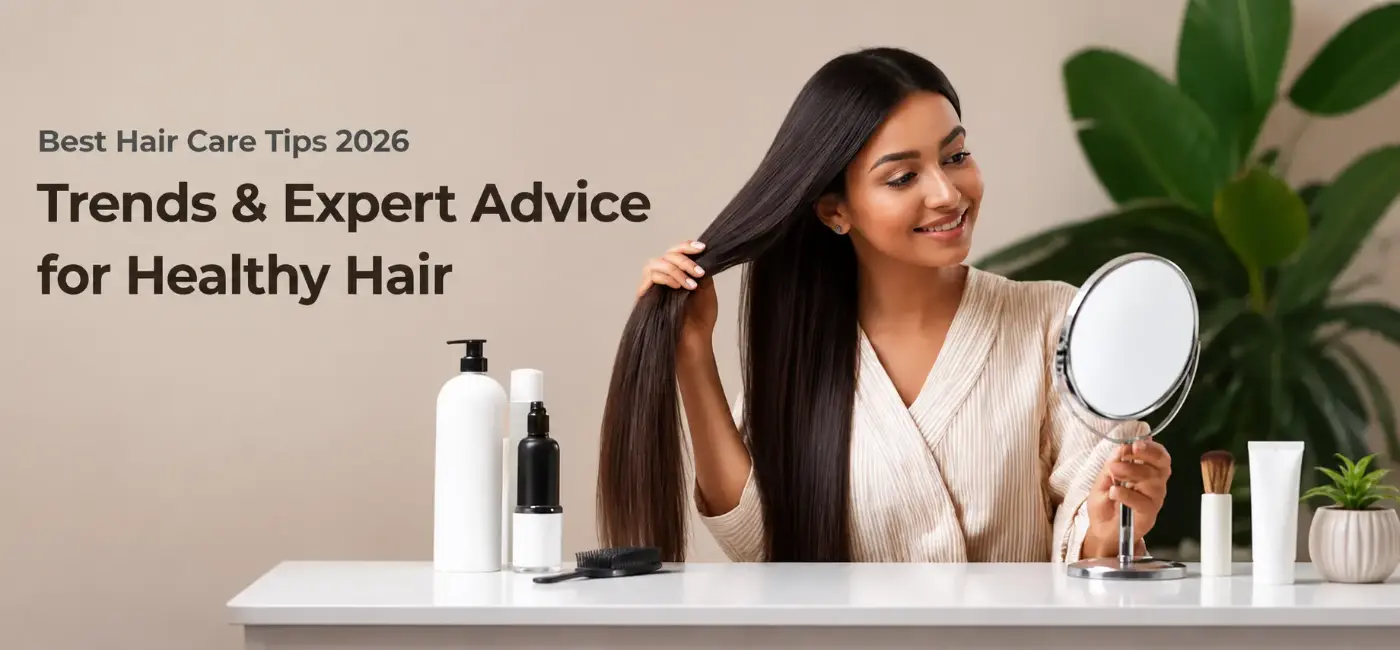
Looking for the Best Hair Care Tips 2026 to achieve stronger, shinier, and healthier hair? You’re not alone. Millions of people struggle with hair fall, dryness, frizz, breakage, and slow hair growth despite trying countless products and viral beauty trends.
The good news is that healthy hair doesn’t require expensive treatments or complicated routines. In 2026, hair care experts are focusing on proven strategies such as scalp health, personalized hair care routines, ingredient transparency, and damage prevention to support long-term hair wellness.
In this guide, you’ll discover the latest healthy hair trends, expert recommendations, and science-backed hair care practices that can help improve hair strength, enhance shine, reduce breakage, and support natural hair growth. Whether you have straight, wavy, curly, or textured hair, these practical tips can help you build a routine that delivers real results.
According to the American Academy of Dermatology, maintaining a healthy scalp and following proper hair care habits are essential for keeping hair strong, healthy, and resilient. Let’s explore the top hair care trends and expert advice shaping healthier hair in 2026.
Key Takeaways
- Why Hair Care Matters More Than You Think.
- Understanding Hair Science – Made Simple.
- Your Step-by-Step Daily Hair Care Routine.
- Top Hair Care Trends in 2026.
- Common Hair Care Mistakes to Avoid.
- Hair Care Tips Based on Your Hair Type.
- Recommended Body & Hair Care Products.
- Common Questions About Hair Care Tips and Trends.
- Final Thoughts
Why Hair Care Matters More Than You Think
Many people focus on skincare and fitness but often overlook the importance of proper hair care. However, healthy hair is more than just a beauty goal—it often reflects the condition of your scalp, lifestyle habits, nutrition, and overall wellness. Poor hair care practices can lead to dryness, breakage, hair fall, split ends, frizz, and a dull appearance that may become more difficult to manage over time.
A consistent hair care routine helps protect your hair from daily damage caused by heat styling, environmental pollutants, harsh weather, and chemical treatments. Choosing products that match your hair type and maintaining good scalp health can support stronger, smoother, and healthier-looking hair. Regular care also helps improve shine, reduce breakage, and promote long-term hair health. Understanding why hair care matters is the first step toward building habits that keep your hair looking healthy, vibrant, and confident every day.
Understanding Hair Science - Made Simple
These are the five topics most people find confusing. We explain each one clearly and simply.
1. Hair Porosity
Scientific Version
Simple Version
2. Scalp Microbiome
3. Protein vs Moisture Balance
4. DHT & Hair Loss
5. Heat Damage Science
Your Step-by-Step Daily Hair Care Routine
For the full five-step routine with product picks, see our guide to hair care routine steps.
1.Start with a Scalp Massage (2–3 minutes)
Massage your scalp with your fingertips before washing. This increases blood flow to follicles, boosting natural hair growth over time.
2.Use a Sulfate-Free Shampoo
Sulfates strip away natural oils. Use a gentle, sulfate-free shampoo that cleans without damaging the scalp microbiome.
3.Apply Conditioner Mid-Shaft to Ends
Never apply conditioner directly to your roots. Focus on mid-lengths and ends where dryness and damage are most common.
4.Rinse with Cool Water
Hot water opens hair cuticles and causes frizz. Cool water closes the cuticle, sealing in moisture and adding shine.
5.Use a Microfiber Towel to Dry
Regular towels cause friction and breakage. A microfiber towel gently absorbs water without roughing up the cuticle.
6.Apply a Leave-In Treatment or Serum
Seal moisture into your hair with a lightweight leave-in conditioner or hair serum. This protects against humidity and frizz throughout the day.
7.Air Dry When Possible
Give your hair a break from heat. Air drying preserves the hair’s natural structure and prevents unnecessary damage.
Top Hair Care Trends in 2026
The hair care industry is evolving fast. Here are the biggest hair care tips and trends making waves this year.
The hair care industry is evolving fast. Here are the biggest hair care tips and trends making waves this year.
01
Scalp-First Approach
Healthy hair starts with a healthy scalp. Scalp serums and exfoliators are the new must-haves for 2026.
Clean Ingredient Labels
Consumers now read labels. Products free from sulfates, parabens, and silicones are dominating the market.
Hair Cycling
Like skin cycling, this method rotates between clarifying, strengthening, and moisturizing products weekly.
Bond Repair Technology
Products with bond-building ingredients are now available for home use.
Waterless Hair Care
Dry shampoos, waterless conditioners, and solid bars reduce water usage while delivering salon results.
Personalized Hair Formulas
Brands now offer custom shampoo and conditioner formulas based on your specific hair type and concerns.
Common Hair Care Mistakes to Avoid
Even with the best intentions, many people unknowingly damage their hair. Avoid these mistakes:
- Washing hair every single day – this strips natural oils from the scalp.
- Brushing wet hair aggressively – hair is more fragile when it is wet, so use a wide-tooth comb instead.
- Skipping heat protectant – a single session without it can cause lasting damage.
- Using rubber bands directly on hair – they cause breakage at the point of contact.
- Ignoring your water quality – hard water leaves mineral deposits that block moisture.
- Overwashing with clarifying shampoo – use it only once every 2–4 weeks.
- Ignoring your diet – low protein, iron, and zinc intake directly cause hair loss.
Hair Care Tips Based on Your Hair Type
For Dry & Damaged Hair
Focus on deep conditioning treatments once a week. Use products rich in argan oil, shea butter, or hyaluronic acid. Avoid high heat and opt for gentle detangling tools.
For Oily Hair
Wash every 2–3 days with a lightweight shampoo. Avoid heavy conditioners on the scalp. Use dry shampoo between washes to control oil without stripping moisture.
For Fine & Thin Hair
Use volumizing products that do not weigh hair down. Avoid heavy oils and thick conditioners on roots. Biotin supplements and scalp massages can support hair thickness over time
For Curly & Coily Hair
Moisturize daily. Use the LOC method – Liquid, Oil, Cream – to seal in hydration. Detangle only when wet and always use a wide-tooth comb or fingers.
For more guidance on choosing hair products suited to your specific needs, Healthline’s Hair Care Guide offers well-researched recommendations backed by dermatologists.
Recommended Body & Hair Care Products
Curated from Vigrovia’s Body & Hair Care collection – clean formulas, real results.
Desert Flower Shampoo
Best for normal to dry hair. Gentle cleanse with botanical extracts.
ORG Protect B5 Hair Repair
Repairs damaged hair. Restores smoothness and strength from root to tip.
Common Questions About Hair Care Tips and Trends
1. What are the best hair care tips for 2026?
The best hair care tips for 2026 focus on scalp health, personalized routines, proper hydration, and damage prevention. These practices can help improve hair strength, shine, and overall hair health.
2. Why is scalp health important for healthy hair?
A healthy scalp creates the ideal environment for strong and healthy hair growth. Proper scalp care can help reduce hair fall, dryness, and common scalp concerns.
3. How often should you wash your hair?
The ideal hair-washing schedule depends on your hair type and lifestyle. Washing your hair according to its needs helps maintain a healthy balance of moisture and cleanliness.
4. Can heat styling damage your hair?
Yes, excessive heat styling can weaken hair and cause breakage, dryness, and split ends. Using heat protection products and limiting heat exposure can help prevent damage.
5. What ingredients should you look for in hair care products?
Ingredients such as biotin, keratin, argan oil, peptides, and hyaluronic acid can support stronger, healthier, and more manageable hair when used consistently.
6. What is the biggest hair care trend in 2026?
Personalized hair care and scalp-focused wellness are among the biggest trends in 2026, helping people choose products and routines tailored to their specific needs.
7. Can diet affect hair health?
Yes, a balanced diet rich in protein, vitamins, minerals, and healthy fats can support stronger hair growth and improve overall hair quality.
8. How long does it take to see results from a new hair care routine?
Most people notice improvements within a few weeks to a few months. Consistency is the key to achieving healthier, shinier, and stronger hair over time.
Ready to Transform Your Hair in 2026?
Explore Vigrovia’s curated body and hair care collection – clean formulas backed by real science.
Final Thoughts
Healthy, beautiful hair is not the result of luck-it is the result of consistent care and smart choices. As the latest hair care trends of 2026 continue to evolve, one thing remains clear: a healthy scalp, quality ingredients, proper hydration, and damage prevention are the foundation of strong, vibrant hair.
You do not need expensive treatments or complicated routines to see results. Small, consistent habits can make a significant difference in the health, strength, and appearance of your hair over time. Start by applying just a few of the expert-backed tips shared in this guide and build a routine that works for your unique hair needs.
The journey to healthier, shinier, and more resilient hair starts today. Take the first step, stay consistent, and give your hair the care it deserves-your future self will thank you for it.

Ahetesam Sabugar
Ahetesam Sabugar is the founder of Vigrovia. He researches and writes guides on skincare, supplements, fitness recovery and home-gym gear. He isn't a doctor, so every article is built from published studies, ingredient labels and trusted sources like the NIH and Cleveland Clinic, and is updated when new research comes out.
More articles by Ahetesam →