
On this page
Sunscreen Before or After Moisturizer? The Right Order
Quick answer: Sunscreen goes after moisturizer. If you are unsure about sunscreen before or after moisturizer, remember this: moisturize first, wait a minute or two until it sinks in, then apply sunscreen as the last skincare step of your morning. Makeup, if you wear it, goes on top.
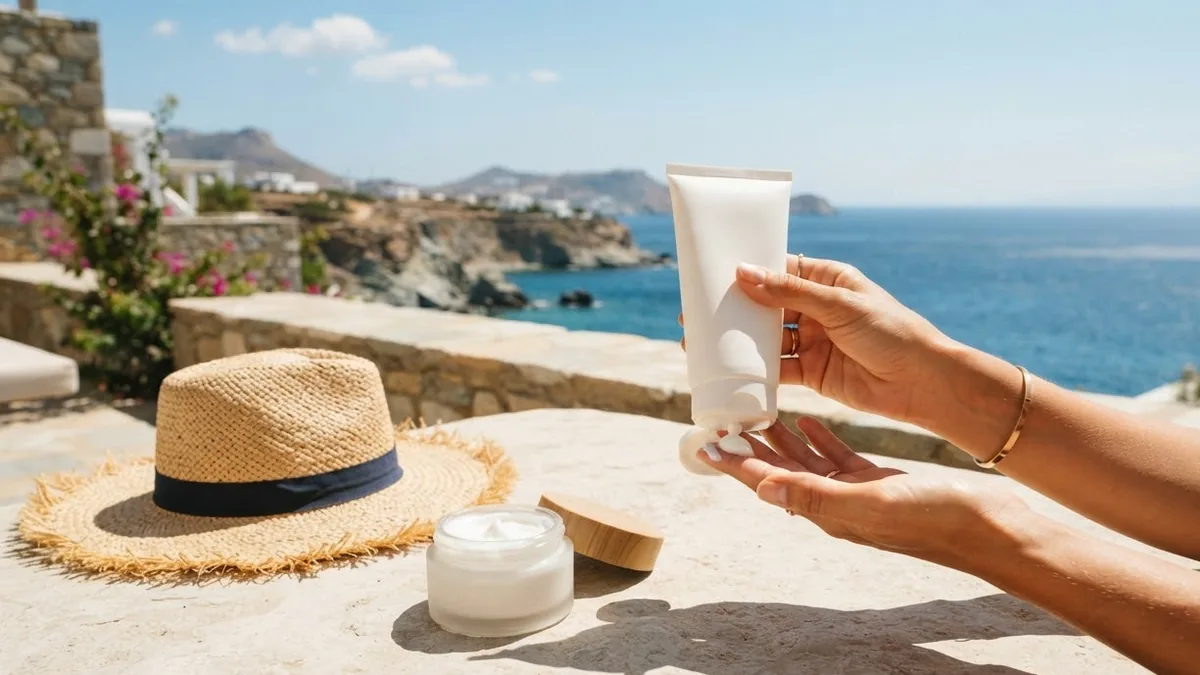
Sunscreen Before or After Moisturizer? What Dermatologists Say
Dermatologists say sunscreen goes after moisturizer. Cleveland Clinic dermatologists call sunscreen the final step of your morning skin care routine, because it has to sit on top of everything else to form an even protective layer.
Moisturizer hydrates and softens skin, while sunscreen covers it. If you rub moisturizer on top, you thin out the sunscreen film and leave gaps. Some brands suggest putting chemical sunscreen on first so it absorbs, but a cream massaged over it still disturbs that layer, so SPF-last is the safer habit. Give moisturizer a minute to absorb so sunscreen does not slide or pill, then use enough of it.
| Mineral sunscreen | Chemical sunscreen | |
|---|---|---|
| Active ingredients | Zinc oxide, titanium dioxide | Avobenzone, octisalate, homosalate and similar filters |
| How it works | Reflects UV light from the skin’s surface | Absorbs UV rays before they reach the skin |
| Place in routine | After moisturizer, last skincare step | After moisturizer, last skincare step |
| Starts working | Right away | About 20 minutes after applying |
| Reapply | Every 2 hours outdoors, and after swimming or sweating | Every 2 hours outdoors, and after swimming or sweating |
Mineral Sunscreen Before or After Moisturizer?
Mineral sunscreen always goes after moisturizer. Its zinc oxide and titanium dioxide reflect UV light from the surface of your skin, so it has to be the top layer to work. Anything rubbed on after it disturbs that shield.
Mineral formulas start protecting as soon as they are on, so there is no absorption wait. Their weak spot is texture: they can feel thick or leave a white cast, which tempts people to use too little. Let your moisturizer absorb fully, then dot the sunscreen across your face and press it in rather than rubbing hard. If the white cast bothers you, a tinted zinc oxide formula blends in more easily.
Sunscreen Before or After Serum?
Sunscreen goes after serum, never before. Serum is a thin, concentrated treatment, so it goes on clean skin early in the routine, as shown in our serum guide, followed by moisturizer and then sunscreen last.
A simple morning order is cleanser, toner if you use one, serum, eye cream, moisturizer and sunscreen. Putting sunscreen first and serum on top would do two bad things at once: the serum could not reach your skin, and rubbing it in would thin out your SPF. If your serum feels tacky, wait until it dries before moisturizer. On dry skin, a hydrating serum underneath also helps sunscreen spread evenly instead of clinging to flaky patches.
Sunscreen Before or After Makeup?
Sunscreen goes before makeup. Apply it as your last skincare step, let it set for a few minutes, then start foundation. Dermatologist Jane Yoo advises letting sunscreen dry completely before makeup so its protective layer stays intact.
Makeup with SPF is a bonus, not a replacement. The AAD points out that sunscreen needs reapplying about every two hours outdoors, and few people reapply foundation that often. When you put on foundation, pat or press it in with a damp sponge instead of long strokes, so you move the sunscreen less. For touch-ups over makeup later in the day, a sunscreen stick or SPF powder is easier than a lotion.
Sunscreen Before or After Primer?
Sunscreen goes before primer. Primer is a makeup step, and makeup always sits on top of your skincare, which ends with sunscreen. You can see the full sequence in our skincare routine steps guide.
Wait until your sunscreen feels dry to the touch, usually a few minutes, before you reach for primer. Otherwise the two layers can roll up into small flakes, known as pilling. It also helps to match the bases: a silicone primer tends to sit better over a silicone-feel sunscreen, and a water-based primer over a lighter, water-based one. If your sunscreen already leaves a smooth, grippy finish, you may be able to skip primer altogether and save a step.
Moisturizer or Sunscreen: Do You Need Both?
Most people need both, because they do different jobs. Moisturizer hydrates and protects the skin barrier, while sunscreen blocks UV. The AAD recommends a broad-spectrum sunscreen with SPF 30 or higher, whatever else you use.
A moisturizer with SPF can cover a short day indoors, but only if you apply a full amount, and most people spread moisturizer thinly. The Skin Cancer Foundation notes that people usually apply far less sunscreen than labs use in testing, which cuts real protection. Oily skin can sometimes skip a separate moisturizer if the sunscreen itself is hydrating. On days outside, use a dedicated sunscreen and reapply every two hours.
Best Moisturizer to Use Before Sunscreen
The best moisturizer before sunscreen is a light, fast-absorbing one that does not leave a greasy film. Gel-creams and lotions with glycerin, hyaluronic acid or ceramides work well. You can compare options on our skin care page.
Match the texture to your skin type. Oily skin does best with a gel, normal skin with a lotion, and dry skin with a slightly richer cream. Save heavy balms and face oils for night, since a slick base can make sunscreen slide around. If you use rosehip oil in the morning, keep it to a few drops and let it soak in first. And if your sunscreen starts pilling, try changing the moisturizer before you blame the SPF.
Frequently Asked Questions
What happens if I don't apply moisturizer before sunscreen?
Nothing harmful. Sunscreen still protects without moisturizer underneath. Dry skin may feel tight or look flaky, though, and sunscreen can cling to dry patches, so hydrating first helps it spread more evenly.
Can I put moisturizer over sunscreen?
It is better not to. Rubbing moisturizer on top can thin and move the sunscreen layer and leave gaps. If your skin feels dry at midday, reapply a moisturizing sunscreen instead of adding cream over it.
Why wait 20 minutes after applying sunscreen?
Chemical sunscreens need about 20 minutes to absorb and start working, according to Cleveland Clinic, and the AAD suggests applying sunscreen about 15 minutes before going outside. Mineral sunscreens protect right away.
What is the correct way to apply moisturizer and sunscreen?
Cleanse, apply serum, then moisturizer. Wait one to two minutes, apply a generous layer of broad-spectrum SPF 30 or higher, let it set for a few minutes, then do makeup. Reapply every two hours outdoors.
Can I mix my mineral sunscreen with moisturizer?
It is best not to. Mixing dilutes the sunscreen and spreads it thinner, so you get less protection than the SPF on the label. Apply them as two separate layers, moisturizer first.
Does mineral sunscreen act as a moisturizer?
Some do. Many mineral sunscreens contain hydrating ingredients like glycerin, so oily or normal skin may not need a separate moisturizer. Dry skin usually still benefits from a moisturizer underneath.
Build Your Morning Routine Tomorrow
Start simple tomorrow morning: cleanse, apply your serum, moisturize, wait a minute, then finish with a broad-spectrum SPF 30 or higher, about 15 minutes before you head out, as the AAD advises. Put on makeup only after the sunscreen sets. If you also use eye cream, check whether eye cream or moisturizer comes first. Once the order is automatic, the one habit left is reapplying every two hours when you are outside.

Ahetesam Sabugar
Ahetesam Sabugar is the founder of Vigrovia. He researches and writes guides on skincare, supplements, fitness recovery and home-gym gear. He isn't a doctor, so every article is built from published studies, ingredient labels and trusted sources like the NIH and Cleveland Clinic, and is updated when new research comes out.
More articles by Ahetesam →