
On this page
How to Apply Serum for Dry Skin: Step-by-Step Guide
Quick answer: Apply serum to clean, slightly damp skin. Use 2 to 4 drops, press it in with your fingertips, wait 30 to 60 seconds, then seal it with a cream moisturizer. For dry skin, never leave a hydrating serum on its own, because the moisturizer is what keeps the water in.

Dry skin can soak up a good serum and still feel tight an hour later. That usually isn’t the serum’s fault. It comes down to how and when it goes on. This guide covers damp versus dry skin, the right order with moisturizer, overnight use, and how to handle hyaluronic acid, vitamin C and niacinamide.
How to Apply Serum for Dry Skin, Step by Step
To apply serum for dry skin, cleanse, leave your face slightly damp, press in 2 to 4 drops, then seal it with moisturizer within a minute. The American Academy of Dermatology notes that product order changes how well each one works.
Most serums are thin and water-based, so they go on before thicker creams. Here is the routine that works best for dry skin:
- Cleanse gently. Use a creamy, non-foaming cleanser and lukewarm water, not hot.
- Pat, don’t rub. Towel off so your face is damp, not dripping.
- Measure 2 to 4 drops. Put them on your fingertips or in your palm.
- Press it in. Cover your cheeks, forehead, nose and chin, then sweep what is left down your neck.
- Wait 30 to 60 seconds. Your skin should feel slightly tacky, not wet.
- Seal it. Apply a cream moisturizer. In the morning, finish with sunscreen.
Do I Apply Serum to Dry Skin or Damp Skin?
For dry skin, apply most serums to slightly damp skin, not bone-dry skin. Dermatologists give the same advice for moisturizer: the AAD tips for relieving dry skin say to apply it while your skin is still damp after washing.
Damp skin helps water-loving ingredients like hyaluronic acid and glycerin spread evenly and hold on to extra moisture. “Damp” means a light film of water you can feel, not drops running down your face. Too much water dilutes the serum and makes it slide off. The exception is strong actives such as retinol or high-strength acids. Damp skin can make them absorb faster and sting more, so apply those to fully dry skin.
Is It Serum Then Moisturizer?
Yes. Serum goes on before moisturizer, as our guide to skincare routine steps in the right order lays out. Serums need direct contact with clean skin, while moisturizer is thicker and forms a layer on top that keeps the serum’s hydration in place.
A simple rule is thinnest to thickest: toner or essence, then serum, then moisturizer, then sunscreen in the morning. If you put a rich cream on first, it creates a barrier the serum can’t get through well, so most of it just sits on the surface. Facial oils are the one flexible step. Most people apply them after the serum and before, or mixed into, their moisturizer, the same way we explain in our rosehip oil routine.
Should Serum Dry Before Moisturizer?
Serum does not need to dry fully before moisturizer. Wait about 30 to 60 seconds, until your skin feels slightly tacky, then apply your cream. Rushing layers is one of the common skincare mistakes that make products pill.
Waiting too long can backfire on dry skin. A hydrating serum left uncovered for several minutes lets water evaporate from the surface, which can leave your face feeling tighter than before you started. So if you are wondering how long after serum to apply moisturizer, under a minute is enough for most hydrating serums. The exceptions are prescription treatments and strong actives such as retinoids, where following the wait time on the label helps reduce irritation.
Are Serums Moisturizers?
No. Serums hydrate, but they don’t replace moisturizer. A serum delivers concentrated ingredients, while a moisturizer seals water in. That is why the ingredients the American Academy of Dermatology recommends for dry skin, like shea butter, dimethicone and petrolatum, are mostly found in creams.
Think of it this way: the serum adds water, and the moisturizer stops it from leaving. Using a serum alone on dry skin is like filling a bucket that has a hole in it. If you only want one product, choose a cream moisturizer that contains hyaluronic acid or glycerin. Then add a serum later, when you want to target something more specific such as dullness, uneven tone or fine lines.
How to Apply Serum for Dry Skin Overnight
At night, apply serum to clean, damp skin, then seal it with a richer cream than you use by day. Our best serum for dry skin guide explains which ingredients hydrate best overnight.
Here is how to apply serum on your face at night. Cleanse to remove sunscreen and makeup, pat your skin damp, press in 3 to 4 drops, wait 30 seconds, then apply a cream or balm. On very dry nights, press 2 drops of a facial oil over the cream. Don’t sleep in a serum alone. With nothing on top to slow water loss, your skin can feel tighter by morning. A bedroom humidifier helps too, especially in winter.
| Step | Morning | Night |
|---|---|---|
| 1. Cleanse | Splash of lukewarm water or a gentle cleanser | Gentle cleanser to remove sunscreen and makeup |
| 2. Serum | 2 to 3 drops on damp skin (vitamin C goes on dry skin) | 3 to 4 drops of a hydrating serum on damp skin |
| 3. Wait | 30 to 60 seconds | About 30 seconds |
| 4. Moisturize | Light cream | Richer cream or balm |
| 5. Finish | Broad-spectrum sunscreen | Optional: 2 drops of facial oil on top |
Hyaluronic Acid Serum on Dry Skin: Why Damp Matters
Hyaluronic acid serum works best on damp skin, followed right away by moisturizer. It is a humectant that pulls water toward itself, and Cleveland Clinic notes that a quarter-teaspoon of hyaluronic acid can hold about one and a half gallons of water.
That pulling power is exactly why the way you apply it matters. On damp skin, it has plenty of surface water to grab. In very dry air with nothing on top, it has far less to work with, and your skin can end up feeling tight. So apply 2 to 3 drops to damp skin, then moisturize within a minute. Hyaluronic acid is gentle, suits almost every skin type and layers easily with other serums, which makes it the best first serum if your skin is dry.
Vitamin C Serum on Dry or Damp Skin?
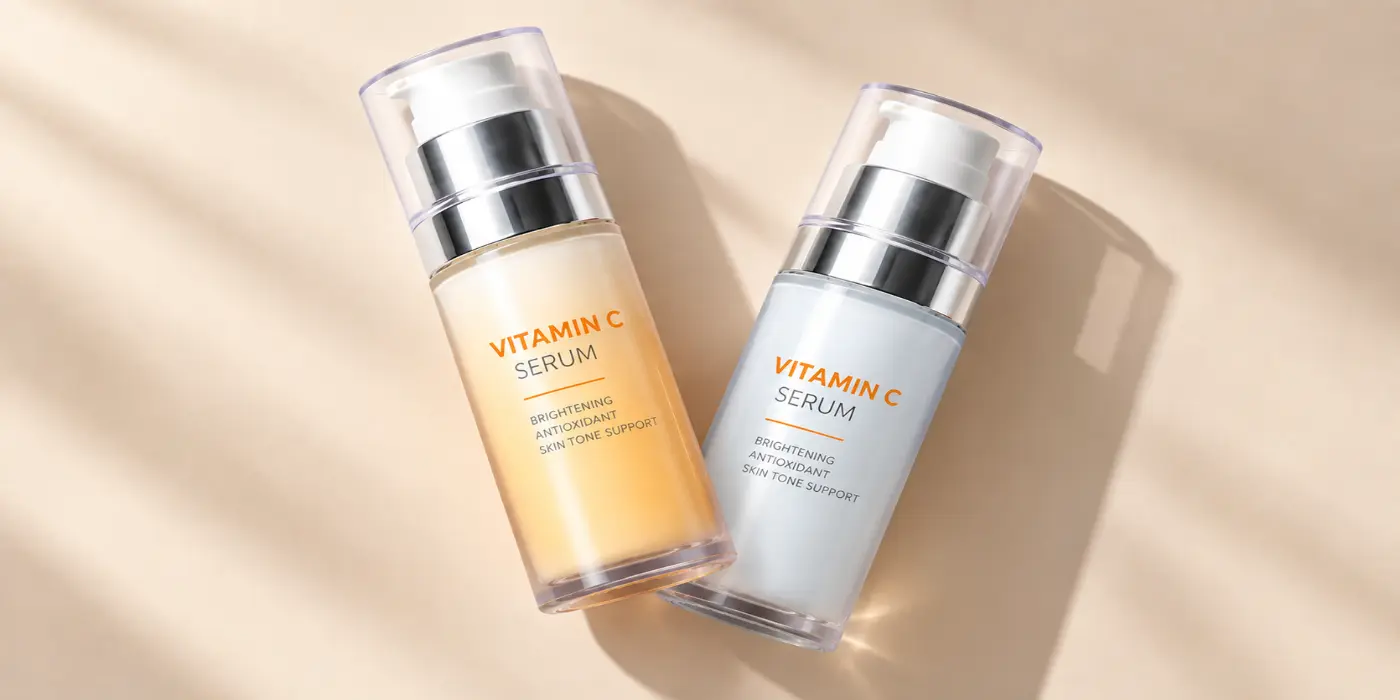
Apply vitamin C serum to dry skin, not damp. Pure vitamin C (L-ascorbic acid) is acidic and can sting more on wet skin. Use it in the morning before moisturizer and sunscreen, which Cleveland Clinic dermatologists say work in synergy with vitamin C.
Choose a concentration between 10% and 20%. Below 10% may do little, while above 20% raises the risk of irritation. If your skin is dry or sensitive, start at the low end and use it every other morning for two weeks before going daily. Look for a dark or tinted bottle and keep it away from heat and light. It takes about three months to see real results, so consistency counts for more than strength.
Niacinamide Serum on Dry or Damp Skin?
Niacinamide serum can go on dry or slightly damp skin, because it is gentle and water-based. For dry skin, slightly damp usually feels more comfortable. According to Cleveland Clinic, niacinamide strengthens your skin’s protective lipid barrier, which helps it hold moisture.
That makes niacinamide a strong match for dry skin that also looks red or gets irritated easily. Most products contain 5% niacinamide or less, and lower strengths are plenty if your skin is sensitive. It pairs well with hyaluronic acid, vitamin C and ceramide moisturizers, so you can layer it without much worry. Use it once or twice a day after cleansing, follow the label for where it sits in your routine, and patch test first if your skin reacts easily.
Face Serum for Men With Dry Skin
Men with dry skin apply serum the same way: cleanse, pat damp, press in 2 to 3 drops, then moisturize. A fragrance-free hydrating serum from our best serum for dry skin guide also works well as a post-shave step.
Shaving strips moisture and irritates the surface of your skin almost every day, which is why many men feel tight around the jaw and neck. Skip serums with alcohol high on the ingredient list, since they sting on freshly shaved skin. Wait a minute after shaving, apply serum to your cheeks, jaw and neck, then use a light moisturizer or an alcohol-free balm instead of a traditional aftershave. In the morning, finish with sunscreen, especially if you spend time outdoors.
Serum for Dry Skin Over 50: What Changes
After 50, skin usually makes less oil and holds less water, so apply serum to damp skin morning and night with a richer cream on top. If you also want to treat wrinkles, our rosehip oil vs retinol comparison shows how to add that step gently.
Hormone changes around menopause can make dryness worse, so a routine that worked at 40 may feel too light now. Keep the same order, but go slower with strong actives. Add retinol or acids only two or three nights a week, and use a plain hydrating serum on the other nights. Hyaluronic acid, glycerin and niacinamide are all good nighttime picks. Press serum in gently rather than rubbing, and carry it down onto your neck and chest.
Frequently Asked Questions
How long do you leave serum on your face?
You leave serum on your face. You don’t rinse it off. Wait about 30 to 60 seconds for it to settle, apply your moisturizer on top, and leave both on all day or overnight. Only wash-off products, like cleansers and some masks, are meant to be rinsed.
Does dry skin need a serum?
Not always. A good cream moisturizer can handle mild dryness on its own. A hydrating serum helps when cream alone isn’t enough, when your skin feels tight again a few hours after moisturizing, or when you want to target dullness or fine lines at the same time.
Is it better to pat or rub serum?
Pressing or patting is better for most people. It spreads serum evenly without pulling on your skin, which matters when dry skin is already sensitive. Light, upward strokes are fine too. Just avoid scrubbing it in hard or using so much that it pills.
Which two serums cannot be used together?
The pairs most often kept apart are retinol with exfoliating acids (AHA or BHA) and retinol with vitamin C. Using them at the same time can irritate dry skin. A simple fix is vitamin C in the morning, retinol at night, and acids on different nights from retinol.
What is the correct way to apply serum?
Cleanse, pat your skin damp, put 2 to 4 drops on your fingertips, press it over your face and neck, wait under a minute, then moisturize. In the morning, sunscreen is always the last step.
Start With One Serum Tonight
The easiest routine for dry skin is one hydrating serum on damp skin, sealed with a cream, every night. Once that feels right, add one product at a time from our list of the top skincare products of 2026.
Give any new routine two to four weeks before judging it. If your skin still feels tight, try a richer moisturizer before you switch serums. It is usually the seal, not the serum, that is falling short. And if your dryness comes with cracking, bleeding or a rash that won’t settle, see a dermatologist rather than adding more products. To see the serums and moisturizers we recommend, browse our skin care picks.

Ahetesam Sabugar
Ahetesam Sabugar is the founder of Vigrovia. He researches and writes guides on skincare, supplements, fitness recovery and home-gym gear. He isn't a doctor, so every article is built from published studies, ingredient labels and trusted sources like the NIH and Cleveland Clinic, and is updated when new research comes out.
More articles by Ahetesam →