
On this page
Rosehip Oil vs Retinol: Which One Should You Use?
Quick answer: Retinol is the stronger choice for wrinkles, with clinical trials behind it. Rosehip oil is gentler and better for dryness, redness and scars. Most people get the best result by using both, on different nights or layered.
If you have ever wondered whether rosehip oil can replace retinol, you are not alone. Rosehip is often sold as “natural retinol,” but the two work in very different ways. This guide compares them on wrinkles, sensitivity, results and safety, using published studies rather than marketing claims. If you already use rosehip, our rosehip oil timeline shows what to expect week by week.
Rosehip Oil vs Retinol: What Is the Difference?
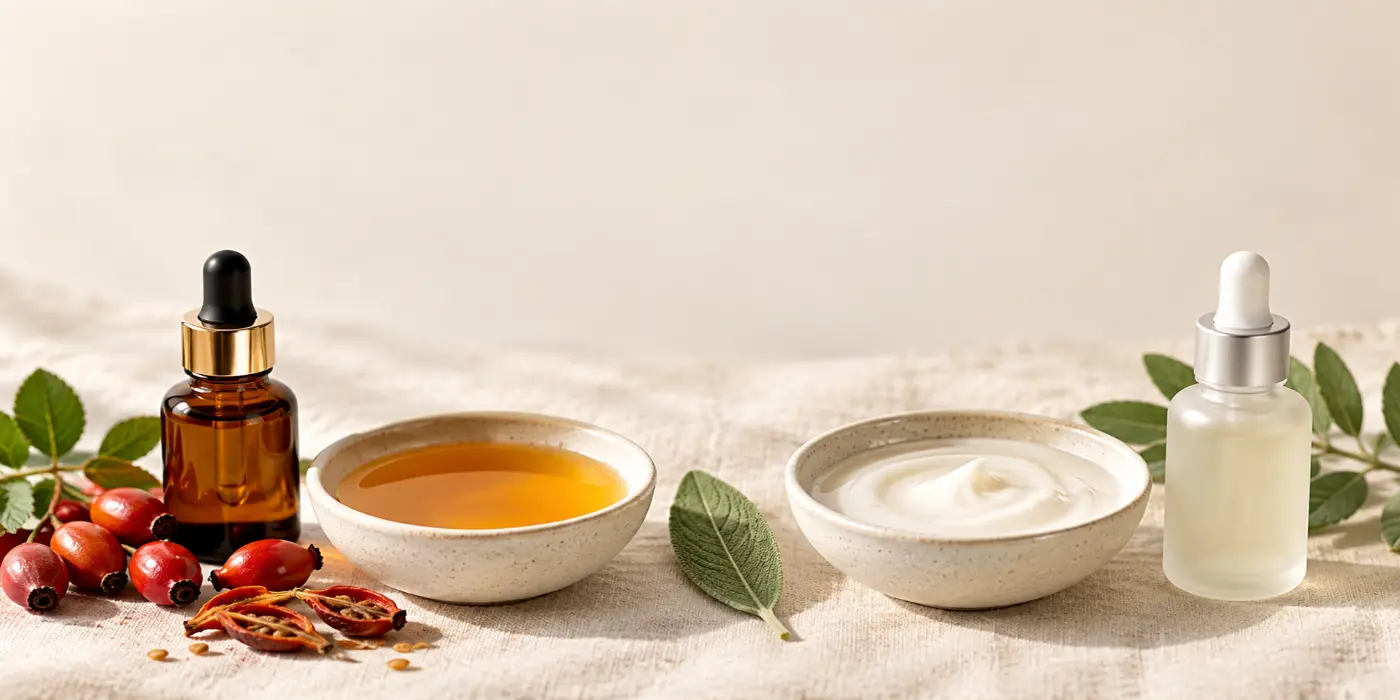
The retinol is derived from vitamin A and promotes the growth of skin cells and increases collagen. The rosehip oil is extracted from plants and contains a high percentage of fatty acids and antioxidants that help to repair the skin and moisturize the skin.
Your skin converts retinol into retinoic acid, the active form that tells cells to renew faster. That is why it can smooth lines and fade spots, and also why it can sting. Rosehip oil contains linoleic and linolenic acid, carotenoids and vitamin E. It carries provitamin A, not retinol itself, so it works more like a nourishing moisturizer than a renewal treatment. One changes the skin; the other protects it
Rosehip Oil vs Retinol for Wrinkles
Retinol wins for wrinkles. In a 24-week clinical trial, 0.4% retinol clearly reduced fine wrinkles and increased collagen. Topical rosehip oil has no trial of this kind, so its wrinkle benefit is smaller and less certain.
The best rosehip wrinkle data actually comes from a rose hip powder study, where 34 adults took 3 grams by mouth daily for eight weeks and saw fewer crow’s feet. That is a supplement, not an oil on your face. Rosehip oil can still make fine lines look softer by plumping dry skin with moisture. If deep lines are your main goal, retinol is the proven tool, and rosehip is the supporting act.
How to Use Rosehip Oil for Face
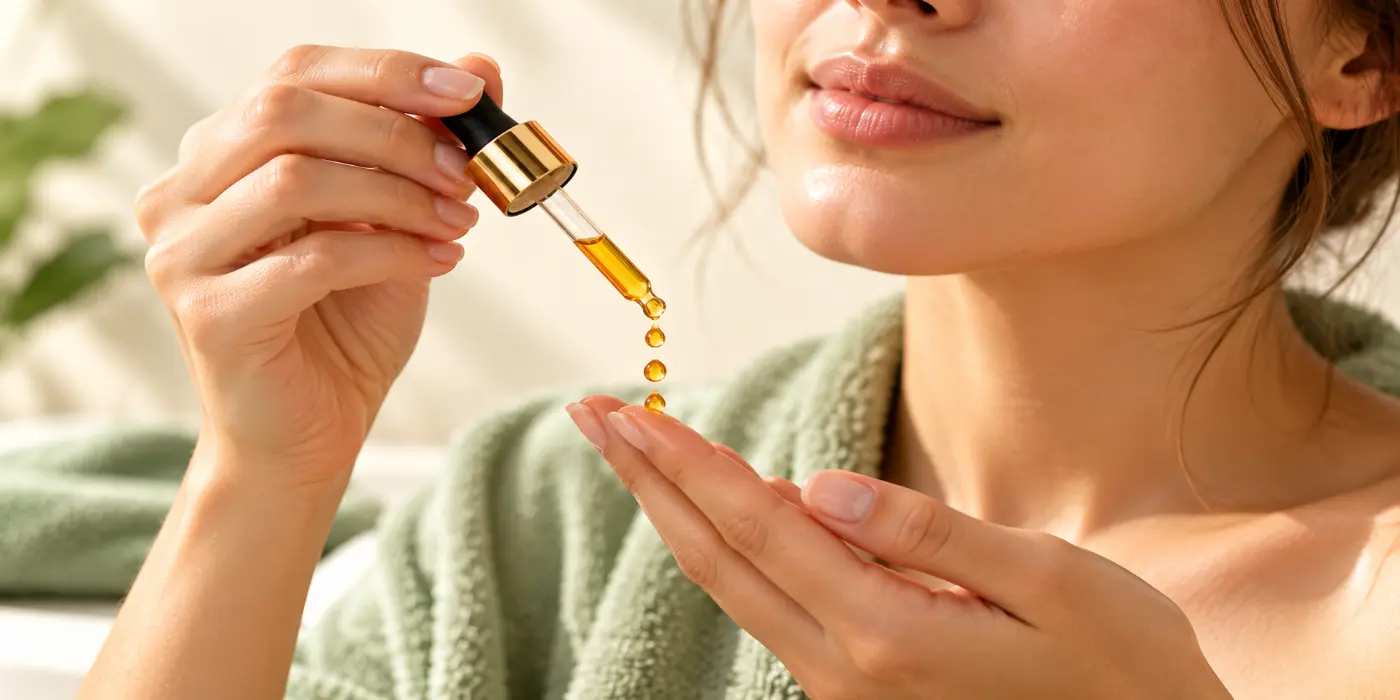
Use 2 to 4 drops of rosehip oil on clean, slightly damp skin, once or twice a day. Always do a patch test first on your arm and wait 24 to 48 hours.
Warm the drops between your fingertips and press them into your face and neck rather than rubbing. At night, apply it as the last step after serums. In the morning, let it absorb before sunscreen. Store the bottle in a cool, dark place or the fridge, because rosehip oil goes rancid quickly once opened. Our 30-day rosehip oil results show how skin changes with daily use. A little goes a long way, so more drops will not speed things up. For the complete step-by-step, see our morning and night rosehip oil routine.
How to Choose the Best Rosehip Oil for Face
The best rosehip oil for face is cold-pressed, unrefined and sold in a dark glass bottle. Our oil purity guide explains how to spot diluted or fake oils before you buy.
Check the label for Rosa canina or Rosa rubiginosa seed oil as the only ingredient. A deep golden to orange color usually means the carotenoids are intact, while a pale oil is often refined. Buy small bottles you can finish within a few months. Skip products with added fragrance, and avoid anything that smells sharp or like old crayons, which is a sign of oxidation. A fresh oil should smell mildly earthy and feel light, not sticky.
How to Choose the Best Retinol Serum
Pick a retinol serum with a low starting strength, around 0.25% to 0.3%. The American Academy of Dermatology advises starting with the gentlest version and using it every other night.
Look for opaque or airless packaging, because light and air break retinol down. Many serums pair it with soothing ingredients like niacinamide or ceramides to cut irritation. Apply a pea-sized amount at night on dry skin, then moisturize. Once your skin tolerates it for several weeks, you can move up to 0.5% or 1%. Daily sunscreen is essential, since retinoids make skin more sensitive to sun. Expect some dryness in the first few weeks; that usually settles as skin adjusts.
Bakuchiol Oil: The Middle Ground
Bakuchiol is a plant extract that acts more like retinol than rosehip does. In a 12-week randomized trial, 0.5% bakuchiol reduced wrinkles and dark spots about as well as 0.5% retinol.
The same study found retinol users reported more scaling and stinging, which makes bakuchiol a good option for sensitive skin. It was applied twice daily, while retinol was used once. The trial was small, with 44 people, so it is promising rather than proven. If rosehip feels too mild and retinol too harsh, bakuchiol sits neatly between them. You can even find serums that blend bakuchiol with rosehip oil for a gentle routine that still targets lines.
Rosehip Oil vs Retinol: Side-by-Side Comparison
Rosehip oil suits sensitive, dry or scarred skin, while retinol suits lines, spots and texture. Like the natural skincare ingredients dermatologists trust, rosehip is about support, while retinol is about change.
The table below sums up the key differences at a glance. Retinol takes weeks of adjustment and needs strict sun protection, but it delivers the most measurable results. Rosehip oil gives comfort from the first week and almost never irritates, yet its anti-aging effect is modest. Neither is better for everyone. The right choice depends on your skin and your main goal. Many readers end up using both, which we cover next.
| Feature | Rosehip oil | Retinol |
|---|---|---|
| What it is | Cold-pressed plant seed oil | Vitamin A derivative |
| Main job | Moisturize and repair the barrier | Speed up cell turnover, boost collagen |
| Wrinkle evidence | Limited for topical oil | Strong, clinical trials |
| Best for | Dry, sensitive skin, scars | Fine lines, dark spots, texture |
| Irritation | Rare | Common at first (dryness, peeling) |
| Time to results | Softer skin in 1-2 weeks | Several weeks to months |
| Pregnancy | Ask your doctor | Avoid |
| When to use | Morning or night | Night only |
Rosehip oil vs retinol at a glance
Can You Use Rosehip Oil and Retinol Together?
Yes, and they work well together. Apply retinol first on clean, dry skin, then press rosehip oil on top, following the right skincare order. The oil cushions retinol’s dryness.
If your skin is sensitive, alternate instead: retinol one night, rosehip oil the next. This gives your barrier time to recover between treatments. Avoid adding exfoliating acids like glycolic or salicylic acid on retinol nights, because stacking them raises the risk of peeling and redness. In the morning, use rosehip oil if you like, but always finish with SPF 30 or higher. Give the combination at least eight weeks before judging results.

Which One Should You Use?
Choose retinol if wrinkles and dark spots are your main concern and your skin tolerates it. Choose rosehip oil if you want gentle hydration, scar support and fewer skincare mistakes from over-treating.
If you are pregnant or trying to conceive, retinol is off the table, as dermatologists advise against retinoids during pregnancy. In that case, rosehip oil or bakuchiol are common choices, but check with your doctor first. For most people over 30, the smartest plan is both: retinol a few nights a week for renewal, and rosehip oil for repair and comfort. Start slowly, stay consistent, and let your skin, not the hype, guide how often you use each.
Frequently Asked Questions
Which is better, rosehip oil or retinol?
Retinol is better for wrinkles, dark spots and texture because clinical trials support it. Rosehip oil is better for dry, sensitive or scarred skin because it hydrates without irritation. Many people use both.
Is rosehip oil actually anti-aging?
Mildly. Rosehip oil hydrates and protects the skin, which makes fine lines look softer, and it helps scars fade. But the strongest wrinkle study used oral rose hip powder, not the oil, so it is not a retinol replacement. We break down the full evidence in rosehip oil for anti-aging.
Should I apply rosehip oil or retinol first?
Apply retinol first on clean, dry skin, then rosehip oil on top. Oils go last because they seal in what is underneath. If your skin is sensitive, use them on alternate nights instead.
Can I use rosehip oil on my face every day?
Yes. Most people can use 2 to 4 drops once or twice daily. Patch test first, and stop if you notice a rash, itching or breakouts.
What are the disadvantages of using rosehip oil?
It can cause allergic reactions in some people, goes rancid quickly once opened, and can feel heavy on very oily skin. Its anti-aging effect is also weaker than retinol’s.
What not to mix with rosehip oil?
Rosehip oil is gentle and works with most products, including retinol, niacinamide and hyaluronic acid. On sensitive skin, avoid using it the same night as strong exfoliating acids or peels, and never use an oil that smells rancid.
What is the best substitute for retinol?
Bakuchiol is the best-studied substitute. A 12-week trial found 0.5% bakuchiol improved wrinkles and dark spots about as well as 0.5% retinol, with less scaling and stinging.
What do Koreans use instead of retinol?
Many Korean anti-aging products use adenosine, which Korea’s Ministry of Food and Drug Safety approves as an anti-wrinkle ingredient at 0.04% and above. It is gentle and pairs well with most routines.
Rosehip Oil or Retinol: Start Your Routine Tonight
Pick retinol if wrinkles and dark spots are your main goal, and rosehip oil if your skin is dry, sensitive or scarred. For extra moisture, layer a hydrating serum for dry skin underneath.
Start with a patch test, use retinol two or three nights a week, and let rosehip oil calm and repair your skin on the nights in between. Give each product at least 12 weeks before you judge the results, and take progress photos in the same light. Your best skin comes from consistency, not from the strongest product on the shelf. Want more simple, research-backed advice? Explore our skin care guides and build a routine that fits your skin, your budget and your goals.

Ahetesam Sabugar
Ahetesam Sabugar is the founder of Vigrovia. He researches and writes guides on skincare, supplements, fitness recovery and home-gym gear. He isn't a doctor, so every article is built from published studies, ingredient labels and trusted sources like the NIH and Cleveland Clinic, and is updated when new research comes out.
More articles by Ahetesam →