On this page
Best Serum for Dry Skin: How to Choose One That Actually Works
Quick answer: For dry skin, choose a hydrating serum built on humectants such as hyaluronic acid or glycerin, apply it to damp skin, and always seal it with a moisturizer. Dry skin lacks oil, so the cream on top matters as much as the serum.
If your skin feels tight, rough, or flaky no matter how much cream you use, then you are most probably missing a vital step in your skincare routine. While traditional moisturizers are great for locking the moisture in, when it comes to re-hydrating your dry and itchy skin from the inside out, Best dry skin serum really shine.
Unlike heavy creams that sit primarily on the surface, a high-performance hydrating serum is engineered with a lightweight, low-viscosity texture. This allows active, water-loving molecules to penetrate deep into the epidermis, restoring your skin’s internal moisture reservoir, smoothing fine lines, and building resilient barrier health.
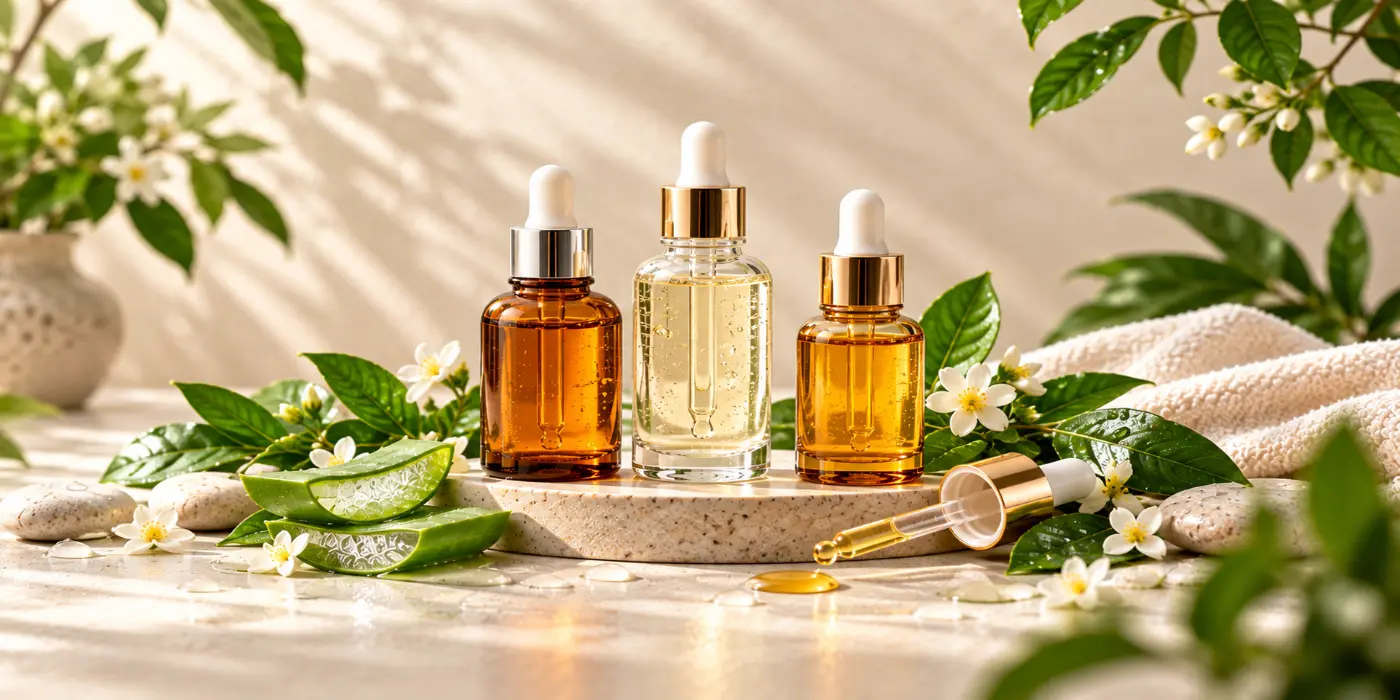
Best Serums for Dry Skin: The Ones We Link To
The shortlist below focuses on a handful of serums we know well, not a survey of every serum on the market. For anything else you are considering, use the ingredient table further down to judge it on what is inside the bottle.
| Serum | Price | Who it suits | Why it is on the list |
|---|---|---|---|
| ORG Rejuvenessence Facial Serum | $31 | Dry skin on a budget, or a first serum | The lowest-priced serum in the range, a plain daily hydrator with nothing to react to |
| ORG Rejuvenating Hydrating Serum | $41 | Dry skin that is starting to show fine lines | Hydration plus the actives from the rejuvenating line, so it does two jobs |
| ORG Balancing Hydrating Serum | $41 | Dry skin that still breaks out | Same hydration, formulated for skin that is dry and congested at the same time |
| ORG Firming Eye & Neck Serum | $60 | Dry, crepey skin around the eyes and neck | Made for the thinnest skin on the face, so it is a companion to a serum, not a replacement |
All four link out to one.organic. You can see them on our skin care page.
Understanding Dry Skin vs. Dehydrated Skin
Beforehand, it is necessary to clarify the difference between two similar but different skin conditions:
Dry Skin (Skin Type): This skin type is determined by the fact that the sebaceous glands do not produce enough oil (sebum). Due to the lack of protection and insufficient amount of lipids on the surface layer of the skin, it becomes dry and flaky, losing volume and elasticity.
Dehydrated Skin (Skin Condition): This is a temporary state caused by environmental stressors, harsh weather, inadequate water intake, or irritating skincare products. Dehydrated skin lacks water, not oil, meaning even oily or combination skin types can experience it.
The Quick Pinch Test
Unsure if your skin is truly parched? Gently pinch the skin on the back of your hand or cheek using two fingers. If it takes a few seconds to bounce back or shows fine creasing lines upon pinching, your skin’s moisture bank is running low and urgently needs targeted hydration. To address deeper cellular replenishment, many find inspiration from Best Skincare Routine for Clear Skin.
The Science of Hydrating Serums: Why They Work Differently
Many wonder why a dedicated serum is necessary if they already use a rich face cream. The answer lies in physics and formulation chemistry.
High Concentration of Actives: Serums contain a concentrated dose of active molecules designed to target specific skin concerns directly, bypassing unnecessary fillers.
Molecular Weight and Depth: While moisturizers are formulated with larger molecules to sit on top of the skin and prevent water loss, hydrating serums utilize smaller molecular weights – such as multi-molecular hyaluronic acid and sodium hyaluronate crosspolymers – allowing them to percolate deep into lower epidermal layers.
Enhanced Water-Holding Capacity: By drawing moisture from both the surrounding atmosphere and deeper layers of the body, these serums dramatically improve the skin’s natural turgor pressure, rendering it bouncy, supple, and radiant.
Core Powerhouse Ingredients to Look For
When shopping for the best face serum for dry skin, check the ingredient label for these proven gold-standard components, which are often highlighted in discussions about Best Natural Skin Ingredients.
| Ingredient | Primary Function | Best For |
|---|---|---|
| Sodium Hyaluronate / Hyaluronic Acid | Binds up to 1,000 times its weight in water, helping plump the skin and instantly reduce the appearance of fine lines. | Deep cellular hydration |
| Glycerin & Betaine | Classic, highly effective humectants that draw ambient moisture into the skin for lasting hydration. | Relieving surface tightness |
| Aquaporin Boosters | Stimulate the skin’s microscopic water channels to transport moisture evenly throughout the skin. | Long-lasting internal moisture balance |
| Alpha-Bisabolol & D-Panthenol | Help calm redness, irritation, and micro-inflammation associated with dry, flaky skin. | Sensitive or cracked dry skin |
| Red Algae Extract | Supports the skin microbiome while improving moisture retention and overall skin resilience. | Reviving dull, lackluster complexions |
Step-by-Step AM/PM Skincare Routine for Dry Skin
Maximizing the efficacy of your hydrating serum requires a strategic layer-by-layer approach. Follow this dermatologist-approved sequence morning and night:
Step 1: Gentle Cleansing
Start with a non-stripping, hydrating cleanser infused with gentle surfactants, amino acids, or sodium hyaluronate, such as our gentle soothing cleanser.Avoid foaming cleansers with high sulfate content, as they strip away essential lipid barriers.
Step 2: Applying the Hydrating Serum
Application Tip: Apply your serum to damp skin right after cleansing or misting. Humectants need water molecules to bind to; applying them to completely dry skin can sometimes pull residual moisture out from deeper skin layers.
Dispense 3 to 4 drops into your palms and gently press – never vigorously rub – the serum into your face and neck. For an extra boost of moisture, consider pairing it with our Best Face Serum.
Step 3: Sealing with an Occlusive Moisturizer
Serums draw moisture in, but without an occlusive layer, that moisture will evaporate through Transepidermal Water Loss (TEWL). Follow your serum immediately with a ceramide-rich moisturizer or face cream containing nourishing plant oils or squalane, like the Best Barrier Cream to lock everything in place.
Step 4: Daytime Sun Protection (AM Only)
UV rays degrade the skin’s lipid matrix and accelerate moisture depletion. Finish your morning routine with a broad-spectrum, dewy sunscreen containing soothing agents like vitamin E and panthenol.
Advanced Tips to Maximize Skin Hydration
Eliminate Alcohols and Harsh Fragrances: Denatured alcohols and heavy synthetic perfumes rapidly dry out compromised skin barriers. Opt for fragrance-free, hypoallergenic formulations.
Incorporate a Humidifier: If you live in an arid climate or run indoor heating and air conditioning constantly, a bedside humidifier adds ambient moisture to the air, giving your humectant serums more water vapor to draw from.
Consistency is Key: Skin cell turnover takes approximately 28 days. Stick to your hydrating routine consistently to notice permanent improvements in texture, radiance, and elasticity. To ensure your daily habits complement your regimen, review Skincare Mistakes.
Frequently Asked Questions (FAQs)
Q1: Can I use a hydrating serum instead of a moisturizer?
No, a serum hydrates deeply, but a moisturizer seals it in. Think of the serum as water and the moisturizer as the lock.
Q2: What is the absolute best ingredient for dry skin?
Hyaluronic Acid. It pulls moisture deep into your skin cells like a magnet, instantly plumping dry patches.
Q3: When should I apply my hydrating serum in my routine?
Always on damp skin, right after cleansing and toning, followed immediately by your cream or oil.
Q4: Can dry skin use hydrating serums every single day?
Yes! In fact, twice a day (morning and night) is ideal for repairing a compromised skin barrier and maintaining a dewy glow.
Q5: Will a hydrating serum clog my pores or cause breakouts?
Not at all. Quality hydrating serums are lightweight, non-comedogenic, and designed to quench skin without heaviness.
Q6: How long before I actually see results on dry skin?
You will feel instant plumping on day one, but true barrier repair and deep hydration take about 2 to 4 weeks of consistent use.
Conclusion
Dry skin is a chronic battle against flaky, tight skin and an dull appearance. A well-chosen hydrating serum, enriched with humectants such as sodium hyaluronate, betaine, and aquaporin boosters, will help your skin retain moisture at the deepest levels and improve your complexion.
If you are ready to get rid of dry, flaky skin, review the products you are using and replace them with a high-quality Hyaluronic acid serum.

Ahetesam Sabugar
Ahetesam Sabugar is the founder of Vigrovia. He researches and writes guides on skincare, supplements, fitness recovery and home-gym gear. He isn't a doctor, so every article is built from published studies, ingredient labels and trusted sources like the NIH and Cleveland Clinic, and is updated when new research comes out.
More articles by Ahetesam →