
On this page
Face Oil Before or After Serum? The Right Order
Quick answer: Always apply face oil after your serum. Serums are lightweight and water-based, formulated to absorb deeply into clean skin to deliver active ingredients. Face oils are occlusive and sit on top to lock in moisture. Applying oil before serum creates a slippery barrier that blocks your serum from absorbing properly.
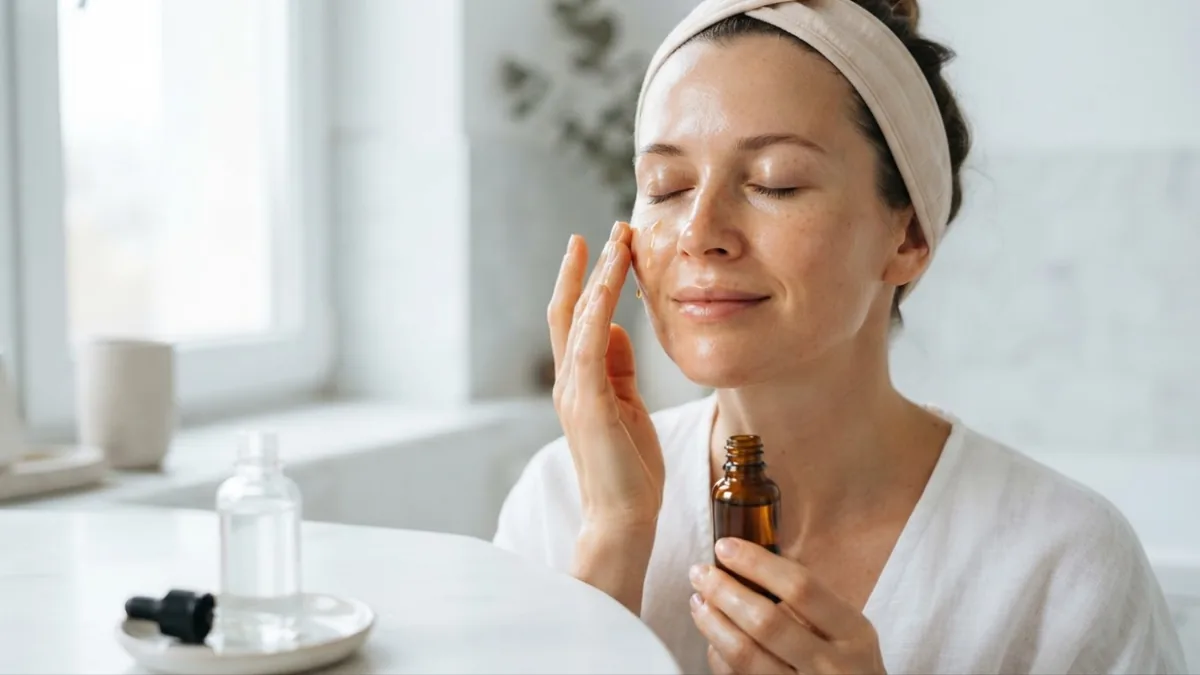
What to use: Start with ORG Balancing Hydrating Serum right after cleansing to flood your thirsty skin cells with lightweight botanical hydration. Next, press two to three drops of ORG Rejuvenessence Facial Serum gently across your face to seal in that water. Why we chose this pair: ORG Balancing Hydrating Serum uses an organic aloe and elderberry base to quench skin without stickiness, while ORG Rejuvenessence Facial Serum blends unrefined jojoba and rosehip seed oils to strengthen your protective moisture barrier without clogging pores.
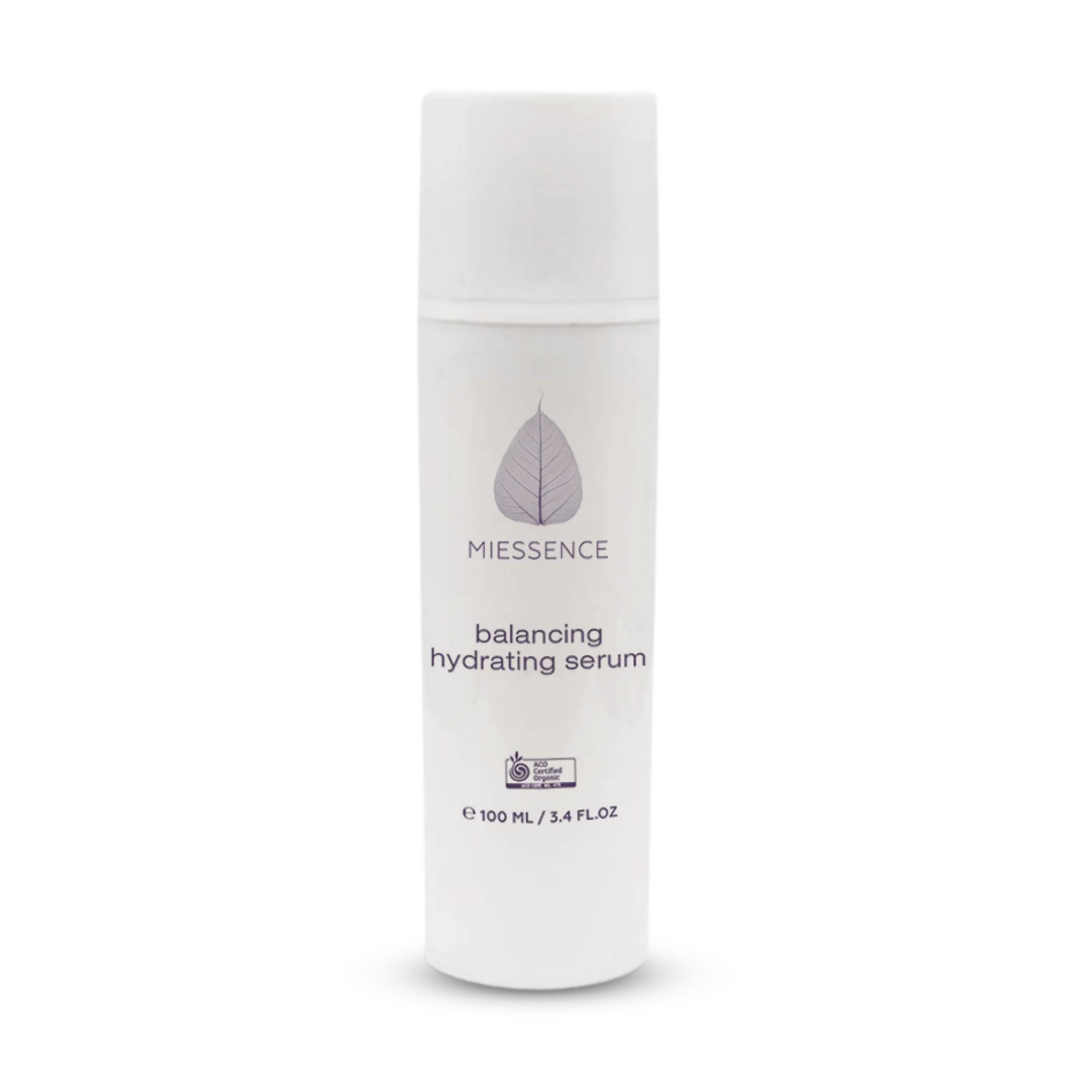
HYDRATE FIRST
ORG Balancing Hydrating Serum
For normal to combination skin · 100 ml / 3.4 fl oz
A$41.00
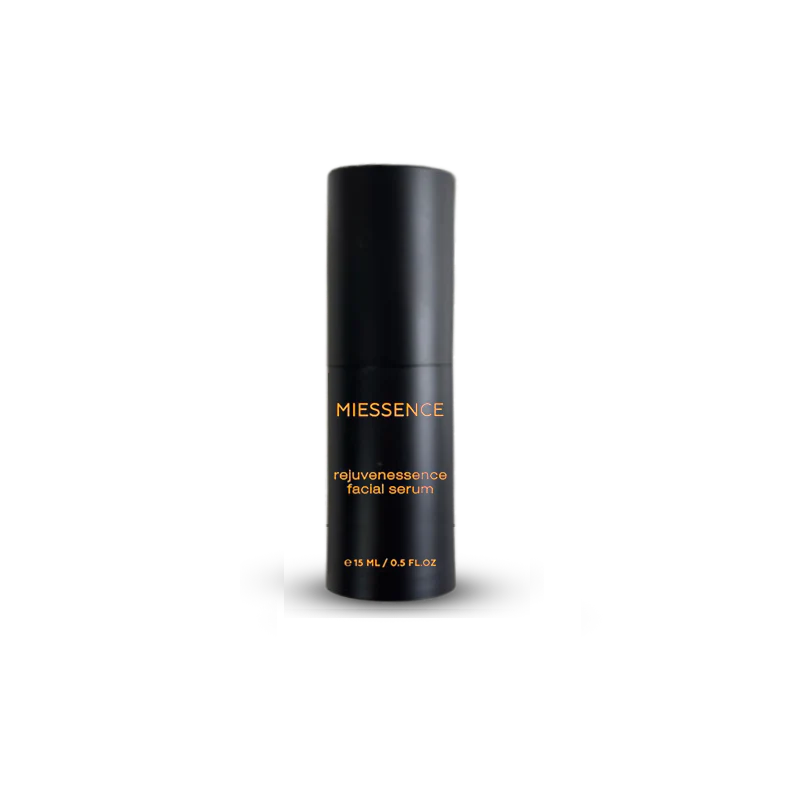
SEAL IN MOISTURE
ORG Rejuvenessence Facial Serum
For dry & mature skin · 15 ml / 0.5 fl oz
A$33.00
Does Face Oil Go Before or After Serum?
You should always apply your face oil after serum, following standard 12 skincare routine steps. Serums deliver active water-soluble nutrients, while oils create an occlusive seal that traps hydration beneath your skin barrier.
Skincare layering follows one fundamental rule: apply products from the thinnest consistency to the thickest consistency. Serums feature tiny molecular structures suspended in purified water or organic aloe juice. This fluid texture allows active antioxidants, peptides, and humectants to penetrate deep into the lower layers of your epidermis.
Face oils, on the other hand, have large molecular sizes packed with rich fatty acids. They act as natural emollients and occlusives. If you apply face oil first, the lipid barrier coats your surface cells in an invisible film of grease. Any water-based product applied afterward simply rolls off or evaporates, leaving your skin dehydrated and wasting your favorite skincare investments.
Vitamin C Serum Before or After Face Oil
Always apply your vitamin C serum before face oil in the morning. Vitamin C is a targeted active ingredient that must absorb cleanly into bare skin to defend against environmental oxidative stress.
Vitamin C serums, especially those containing pure L-ascorbic acid, require a direct pathway to your stratum corneum. They neutralize free radicals caused by sunlight and smog while stimulating collagen production. When layered over an oil, the vitamin C molecules cannot break through the dense lipid shield to reach living cells.
To get the best morning glow, follow these three simple actions:
- Wash and pat dry: Cleanse your face with a gentle cleanser and gently pat dry with a soft cloth.
- Smooth your serum: Dispense 3 to 4 drops of vitamin C serum and pat it evenly over your cheeks, forehead, and neck.
- Lock with facial oil: Wait sixty seconds, then smooth two drops of facial oil or moisturizer before finishing with daily sunscreen.
Face Oil Before or After Retinol Serum
Apply your retinol serum before your face oil during your evening regimen. According to the American Academy of Dermatology, lightweight anti-aging actives must touch bare skin directly before heavier lipid-rich formulas.
Retinol accelerates cellular turnover, clears congested pores, and softens fine lines over time. It works best when applied directly to dry, clean skin where it can sink in without interference. Applying face oil beforehand will dilute the retinol and prevent it from binding with skin cell receptors.
However, if you suffer from peeling, redness, or flaking, you can try the gentle buffer method. Mix a single drop of face oil with your evening moisturizer, or layer the oil directly after retinol. The nourishing plant oils will soothe inflammation, support your lipid envelope, and prevent the dreaded retinol burn without blunting its cell-renewing benefits.
What Skincare Reddit Says About Face Oil vs Serum
On Reddit skincare communities like r/SkincareAddiction, users agree that serum comes first, often discussing how long to wait between serum and moisturizer. Skincare enthusiasts emphasize that oils form a hydrophobic film that stops lightweight formulas.
Reddit threads on layering order frequently bring up real-world troubleshooting tips from everyday users. Here are the most valuable lessons shared by seasoned skincare hobbyists:
- The damp skin trick: Apply water-based hyaluronic acid or antioxidant serums while skin is damp from toner, but let it sink in before smoothing on oil.
- Mix, don’t sandwich: If your evening routine feels too heavy, blend one drop of rosehip oil directly into your nighttime moisturizer in your palm.
- Watch for pilling: If your sunscreen balls up in the morning, your face oil was applied too late or you used too much product before setting out.
No7 Facial Oil Before or After Serum
Smooth No7 facial oil over your skin after applying your serum to lock in deep hydration. Clinical guidelines from Healthline confirm that facial oils must always follow lighter concentrated treatments for optimal barrier repair.
The popular No7 Youthful Replenishing Facial Oil features an active blend of jojoba, rosehip, and meadowfoam seed oils. This rich botanical matrix mimics the skin’s natural sebum to restore moisture in dehydrated or aging skin. If you use No7 Protect & Perfect or Future Renew serums, the thin peptides and antioxidants must go on bare skin first.
Once your water-based serum sets for about thirty to forty seconds, dispense two to three drops of the No7 facial oil between your palms. Warm the liquid between your hands and gently press it across your face. This prevents tugging on delicate facial contours while locking in every drop of anti-aging peptide hydration.
Face Oil Before Serum: Is There Ever an Exception?
You should only apply face oil before serum if your serum is formulated entirely from heavy plant lipids. As dermatologists explain in Cleveland Clinic skincare resources, the chemical rule of thumb is always water over water, oil over oil.
A few cosmetic brands sell products labeled as serums that are actually 100 percent oil. For example, squalane solutions, concentrated rosehip oil blends, or marula infusions often carry the label serum on the bottle. If your serum has zero water, aloe, or glycerin on its ingredient list, it is an oil masquerading under a different name.
When using two oil-based formulas, apply the one with the lowest viscosity first. For instance, lightweight squalane goes before heavy castor or argan oil. But if your serum is standard water-based or gel-textured, it must always precede any facial oil without exception.
Common Face Oil and Serum Mistakes
Layering skincare incorrectly can cause dullness, breakouts, and wasted cash. Here are the five most frequent mistakes people make when mixing serums and facial oils:
- Applying face oil on completely dry, unhydrated skin: Oils lock moisture in, but they do not add water. Applying oil without a hydrating toner or water serum beneath leaves skin parched.
- Using too many drops of oil: More is not better. Two to three drops are plenty for your entire face and neck; using half a dropper will choke your pores.
- Rubbing aggressively instead of pressing: Rubbing drags the skin and can cause water serums beneath to pill. Always pat and press oils with warm palms.
- Skipping sunscreen after daytime face oil: Heavy face oils can dissolve chemical sunscreens if not given five minutes to sink in before SPF application.
- Layering oil over active acne without patch testing: Certain rich oils with high oleic acid content can trigger cystic pimples on acne-prone jawlines.
Recommended Face Oil and Serum Picks
To build a balanced, non-greasy layering routine, explore these clean options from the Vigrovia skin care collection. We have not tested them on our own skin yet. We chose them by reading full ingredient lists, label directions and prices on the brand’s own site in October 2026.
| Product | Best for | Key ingredients | Size | Price | Per ml |
|---|---|---|---|---|---|
| ORG Balancing Hydrating Serum | Lightweight water hydration before oils | Certified organic aloe vera leaf juice, elderberry fruit extract, radish root ferment | 100 ml | A$41.00 | A$0.41 |
| ORG Rejuvenessence Facial Serum | Sealing moisture and calming dryness | Certified organic jojoba seed oil, certified organic rosehip seed oil, certified organic avocado oil | 15 ml | A$33.00 | A$2.20 |
| ORG Ambrosia Essence Skin Perfector | Intense restorative evening lipid treatment | Organic tamanu nut oil | 15 ml | A$119.00 | A$7.93 |
ORG Balancing Hydrating Serum
Who it’s for: Ideal for anyone who wants a pure water-based humectant layer to quench thirsty skin before sealing with an oil.
Key ingredients: Certified organic aloe vera leaf juice, elderberry fruit extract, radish root ferment
Pros: Absorbs instantly without stickiness; Free of artificial fragrances; Great for normal and combination types
Cons: Lightweight formula may need a rich moisturizer on dry winter days
Price: A$41.00 for 3.4 fl oz (100 ml) on one.organic.
ORG Rejuvenessence Facial Serum
Who it’s for: Best for dry, mature, or wind-chapped skin needing an unrefined botanical lipid seal over lightweight serums.
Key ingredients: Certified organic jojoba seed oil, certified organic rosehip seed oil, certified organic avocado oil
Pros: Packed with essential fatty acids; Deeply nourishing; Made with certified organic oils
Cons: Rich oil texture feels too heavy for oily or acne-prone skin types
Price: A$33.00 for 0.5 fl oz (15 ml) on one.organic.
ORG Ambrosia Essence Skin Perfector
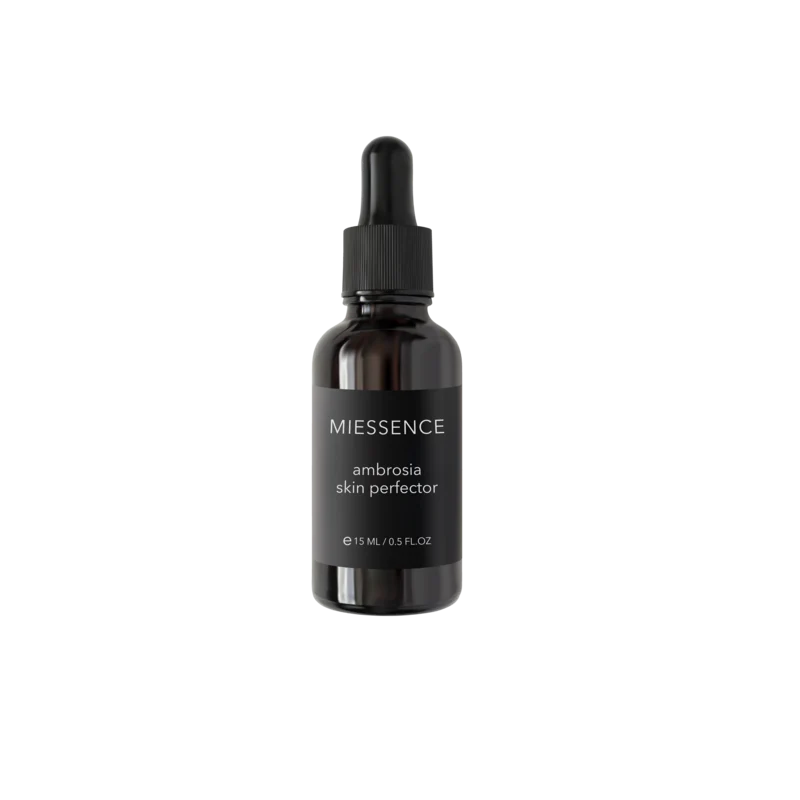
Who it’s for: Formulated for those seeking a targeted botanical oil treatment to restore texture and elasticity overnight.
Key ingredients: Organic tamanu nut oil
Pros: Pure unrefined tamanu nut oil; Promotes smooth complexion renewal; Potent natural barrier protection
Cons: Premium price point; Distinct natural earthy aroma requires an adjustment period
Price: A$119.00 for 0.5 fl oz (15 ml) on one.organic.
Frequently Asked Questions
Do you apply serum before face oil?
Yes, you should always apply serum before face oil. Serums contain small water-soluble molecules designed to sink into deep skin layers. Face oils contain large molecules that seal the surface. If applied first, oil prevents the serum from soaking in.
Can I mix face oil and serum together in my hand?
You should generally avoid mixing water-based serums with face oils directly in your hand. Oil and water do not mix naturally, so blending them can prevent the active serum ingredients from penetrating evenly across your skin.
Does face oil replace moisturizer after serum?
Face oil can sometimes replace moisturizer if your skin is naturally oily or you live in a humid climate. However, moisturizers contain both water and humectants, while oils only provide an occlusive lipid shield. Discover serum before or after moisturizer for the full breakdown.
How long should I wait after serum to apply face oil?
Wait approximately thirty to sixty seconds after applying your serum before smoothing on face oil. This short pause allows the water-based hydrators and active ingredients to absorb completely, preventing unwanted pilling or sliding when the oil is patted on.
Can I use face oil after serum every morning?
Yes, you can use face oil every morning if you have dry skin, provided you only use one to two drops. Always allow the oil to absorb for three to five minutes before following up with a broad-spectrum daily sunscreen.
Build Your Face Oil and Serum Routine
Tonight, try the simple version: cleanse gently, press your botanical hydrator from our routine order guide onto damp cheeks, and finish with two drops of unrefined lipid oil. Explore our curated skin care collection to find the clean formulas that restore your natural radiance.

Ahetesam Sabugar
Ahetesam Sabugar is the founder of Vigrovia. He researches and writes guides on skincare, supplements, fitness recovery and home-gym gear. He isn't a doctor, so every article is built from published studies, ingredient labels and trusted sources like the NIH and Cleveland Clinic, and is updated when new research comes out.
More articles by Ahetesam →