
On this page
How Long to Wait Between Serum and Moisturizer
Quick answer: In general, you should wait 30 to 60 seconds between applying your serum and your moisturizer, or until the serum feels fully absorbed and tacky rather than wet. Active serums like retinol, pure L-ascorbic acid, and exfoliating acids require a longer wait of 5 to 20 minutes to prevent irritation and allow proper absorption.
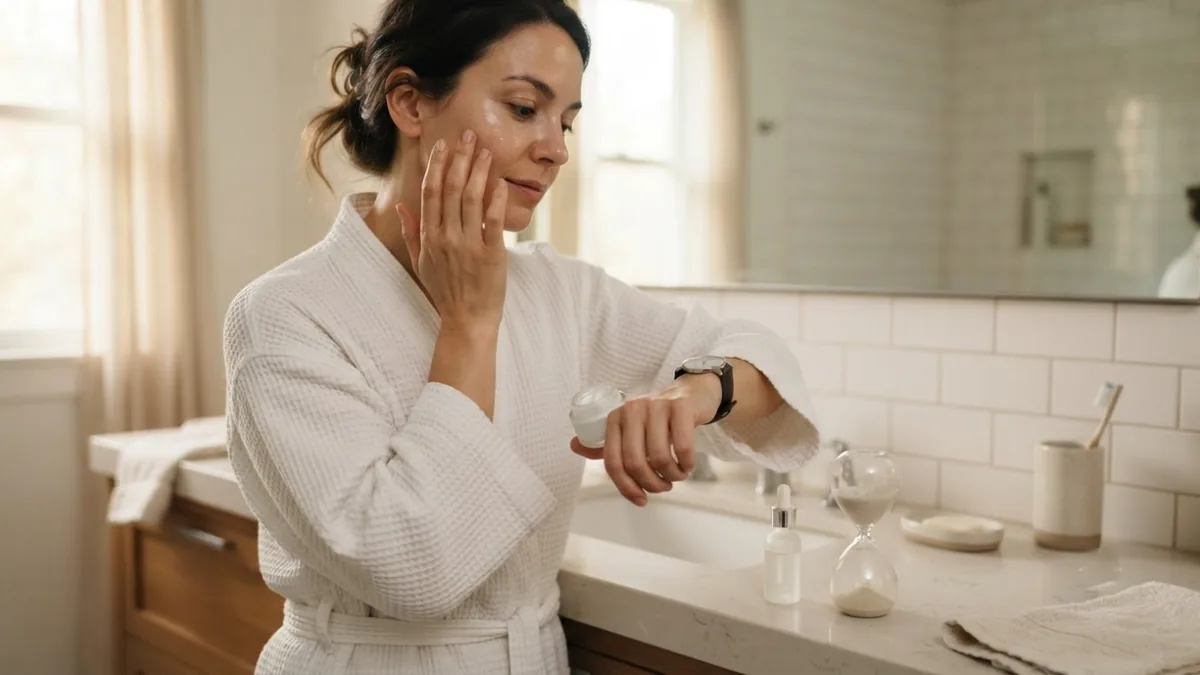
What to use: Pat ORG Balancing Hydrating Serum onto clean, damp skin, wait 30 to 60 seconds, then press on ORG Balancing Moisturiser while the serum still feels slightly tacky. Why we chose this pair: the brand designs them to be layered together, the watery serum sinks in fast so the wait stays short, and the moisturiser’s jojoba, rosehip and shea seal that water in. Pros: a simple two-step routine with almost no waiting. Cons: the serum contains lavender essential oil, so patch test first, and neither product is an active like vitamin C or retinol.
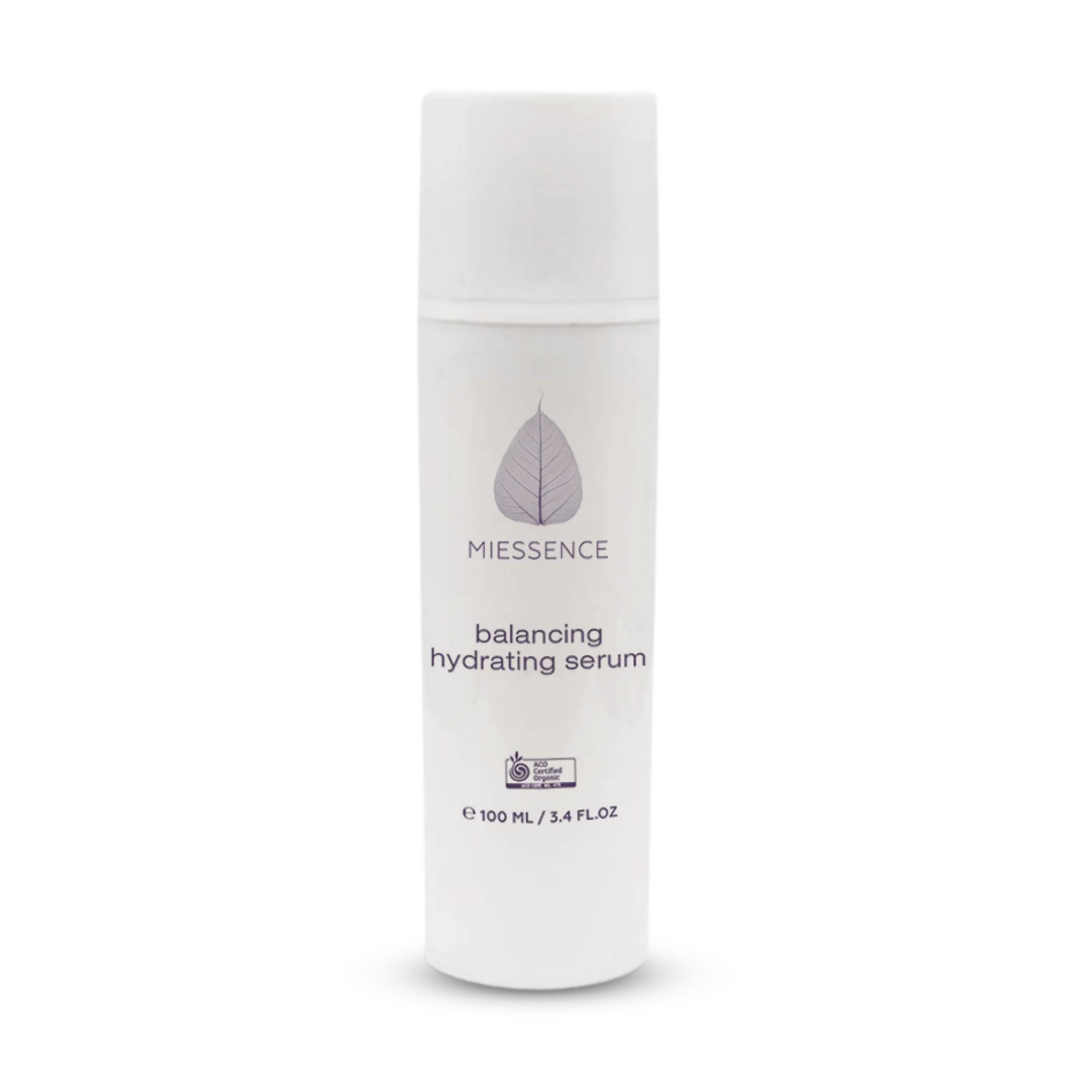
SERUM FIRST
ORG Balancing Hydrating Serum
For normal & combination skin · 100 ml / 3.4 fl oz
A$41.00
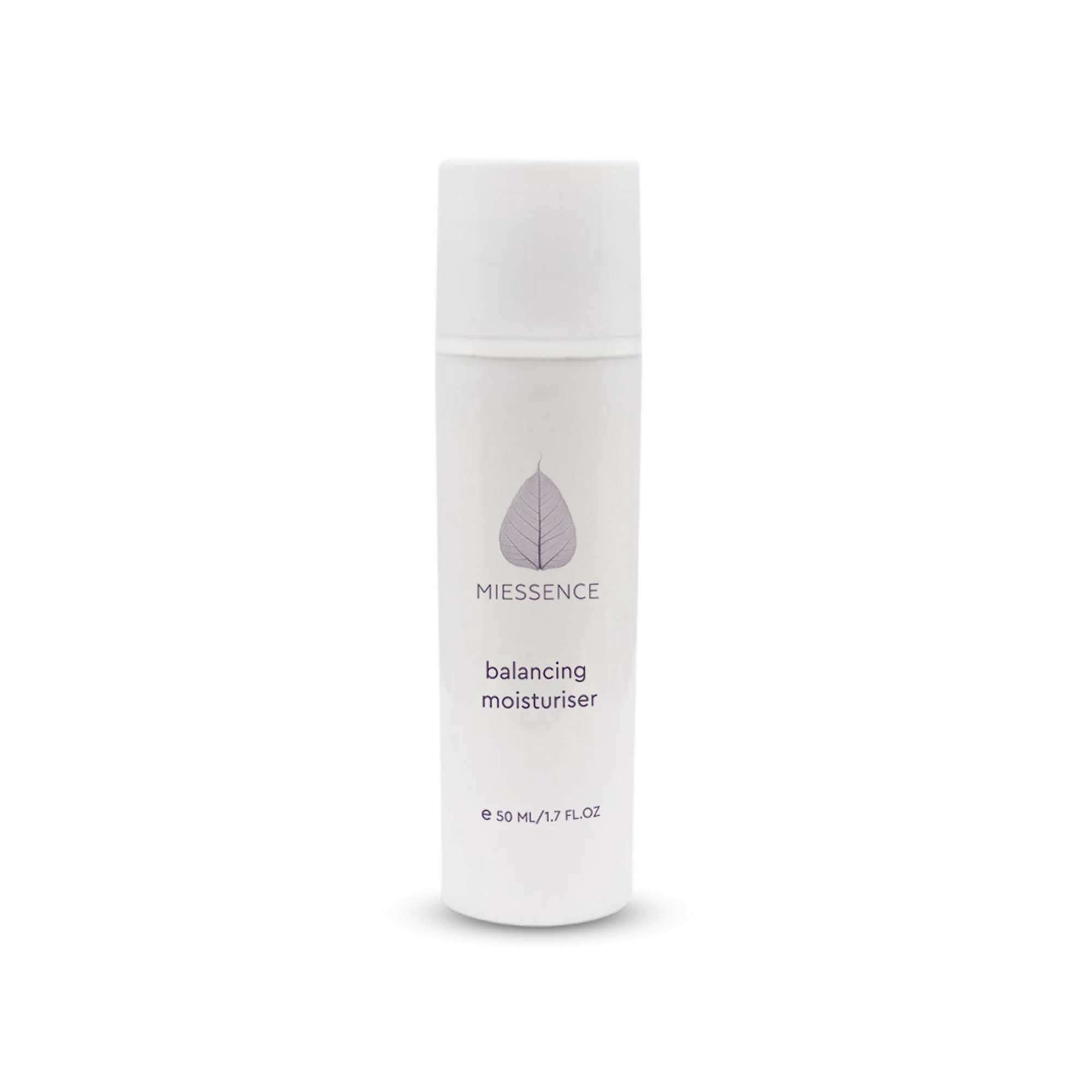
MOISTURISER NEXT
ORG Balancing Moisturiser
For normal & combination skin · 50 ml / 1.7 fl oz
A$71.00
How Long to Wait Between Face Serum and Moisturizer
For standard daily serums, wait roughly 30 to 60 seconds before applying moisturizer. According to our guide on serum before or after moisturizer, serums need time to absorb into upper skin layers first.
Most basic serums rely on low molecular weight humectants and botanical extracts designed to absorb rapidly into the epidermis. When you apply your facial moisturizer immediately over a dripping wet serum, you can unintentionally dilute the serum’s targeted ingredients or shift the formula across the face rather than allowing it to penetrate. Waiting just half a minute to one minute ensures that the active molecules bind to the surface cells. Once the surface of your skin transitions from slick to slightly tacky or dry to the touch, you can apply your daily cream or lotion. This simple interval prevents product pilling, enhances the absorption rate, and ensures your moisturizer forms an effective protective seal over the active ingredients without trapping excess unabsorbed moisture that could disrupt product stability.
How Long to Wait Between Hyaluronic Acid Serum and Moisturizer
You should wait less than 60 seconds after applying hyaluronic acid, locking it in while skin stays damp. As outlined in our how to apply serum for dry skin tutorial, humectants pull hydration inward.
Hyaluronic acid functions strictly as a humectant, meaning it holds up to 1,000 times its molecular weight in water. However, hyaluronic acid cannot produce water on its own; it requires surrounding ambient moisture. If you let a hyaluronic acid serum dry completely into bone-dry air, especially in low-humidity environments or air-conditioned rooms, it may draw moisture upward from the deeper layers of your dermis instead. To maximize plumping and barrier repair, gently pat the hyaluronic acid serum onto freshly cleansed or toned, damp skin, wait only 30 to 45 seconds so it does not evaporate, and immediately follow with your moisturizer. The emollient and occlusive lipids in your moisturizer act as a physical blanket, sealing that water securely inside your skin barrier.
How Long to Wait Between Vitamin C Serum and Moisturizer
Wait 5 to 10 minutes after applying an active vitamin C serum before layering your moisturizer. Research cited by the National Institutes of Health shows pure L-ascorbic acid requires an acidic pH below 3.5 to penetrate skin.
Pure L-ascorbic acid is one of the most effective yet finicky skincare ingredients available. It depends heavily on an ultra-low, acidic pH level to cross the stratum corneum and perform its antioxidant, collagen-boosting work. Most standard daily facial moisturizers sit at a neutral skin pH of approximately 5.0 to 6.0. If you apply your moisturizer immediately over fresh L-ascorbic acid, you will prematurely neutralize that acidic environment, dramatically lowering the absorption and potency of the vitamin C. Giving your serum 5 to 10 minutes allows the formula to absorb thoroughly and perform its antioxidant synthesis. If you use a gentler, lipid-soluble vitamin C derivative like tetrahexyldecyl ascorbate or sodium ascorbyl phosphate, you only need to wait about one minute since those derivatives are not pH-dependent.
How Long to Wait Between Retinol Serum and Moisturizer
Wait approximately 10 to 20 minutes after applying a retinol serum before putting on your moisturizer. Clinical guidance from the American Academy of Dermatology notes that dry skin absorbs retinoids more stably, reducing the risk of irritation.
Retinol and other prescription or over-the-counter vitamin A derivatives speed cellular turnover, unclog pores, and smooth fine lines. However, retinoids are notorious for causing dryness, flaking, and redness when mishandled. If you apply moisturizer while retinol is wet, or if you apply retinol onto damp skin, the moisture enhances penetration too rapidly, heightening skin sensitivity and inflammation. Allowing 10 to 20 minutes ensures the retinol converts properly on dry skin. If you have sensitive skin, you can employ the buffering method: apply a lightweight moisturizer first, wait 10 minutes, apply your retinol, and finish with a second layer of moisturizer. For ordinary nighttime application without buffering, giving your retinol 15 quiet minutes before your night cream optimizes anti-aging results.
How Long to Wait Between Niacinamide Serum and Moisturizer
Wait around 30 to 60 seconds between a niacinamide serum and your daily moisturizer. A well-designed routine from our 12 skincare routine steps guide shows water-soluble vitamin B3 integrates smoothly without complex resting periods.
Niacinamide, also known as vitamin B3, is among the most versatile, gentle, and stable ingredients in modern skincare. It supports lipid barrier synthesis, minimizes the visual appearance of enlarged pores, calms inflammation, and regulates sebum production. Unlike direct acids or active retinoids, niacinamide does not require a low or reactive pH to enter the skin, nor does it cause volatility when interacting with standard moisturizers. Because of this high stability, you do not need an extensive waiting interval. Pat your niacinamide serum evenly across your face, allow about 45 seconds for the watery or light gel base to absorb into the skin, and smooth your moisturizer right over it. It will continue working underneath your emollient cream without losing any efficacy.
How Long to Wait Between Serum and Eye Cream
Wait 60 seconds after applying your face serum before placing your dedicated eye cream around the orbital area. Clinical dermatologists at Mayo Clinic highlight that the periorbital skin is significantly thinner and more prone to product migration.
The skin surrounding your eyes is roughly one-third the thickness of the rest of your face, with fewer oil glands and a fragile barrier. When applying your overall facial serum, you should avoid bringing strong actives like high-concentration acids or direct retinol right up to the lash line. Once your facial serum has settled for roughly a full minute, tap your eye cream gently along the orbital bone using your ring finger. Letting your facial serum absorb first prevents it from mixing with your eye cream or migrating into the eyes, which can cause puffiness, stinging, and milia formation. An organized, measured application order ensures each delicate section receives appropriate hydration and active treatment.
Common Serum and Moisturizer Mistakes
The biggest mistake is pressing moisturizer over a serum that is still wet, which causes pilling and dilutes the serum. The second is waiting too long after hyaluronic acid, or not long enough after vitamin C and retinol.
- Rushing product application: Layering your cream over a dripping wet serum causes product pilling, balling up, and wasted skincare products.
- Drying out hyaluronic acid: Waiting several minutes until your face is completely bone dry after applying a hyaluronic acid serum, which can dehydrate surface cells.
- Diluting pH-dependent actives: Applying heavy creams instantly over direct chemical exfoliants or L-ascorbic acid, raising their pH and blunting their efficacy.
- Over-buffering unnecessarily: Leaving 30-minute gaps between gentle, non-reactive hydrators like glycerin or panthenol when a 30-second pause is plenty.
- Applying too much serum: Using more than 3 to 4 drops per application, creating an impenetrable film that takes far too long to absorb.
Recommended Serum and Moisturizer Picks
All three picks come from the Vigrovia skin care shelf and are made to be layered serum first, moisturizer second. Choose the serum for your skin type, keep the 30 to 60 second wait, then add the moisturizer that matches your skin.
| Product | Best for | Key ingredients | Size | Price | Per ml |
|---|---|---|---|---|---|
| ORG Balancing Hydrating Serum | Fast-absorbing first layer | Aloe vera, radish root ferment, chamomile, calendula | 100 ml | A$41.00 | A$0.41 |
| ORG Balancing Moisturiser | Normal or combination skin | Aloe vera, jojoba, sunflower, rosehip, shea | 50 ml | A$71.00 | A$1.42 |
| ORG Rejuvenating Moisturiser | Dry or mature skin | Aloe vera, jojoba, avocado, rosehip, shea | 50 ml | A$71.00 | A$1.42 |
ORG Balancing Hydrating Serum
Who it’s for: normal or combination skin that wants a fast-absorbing watery layer before moisturizer.
Key ingredients: aloe vera leaf juice, radish root ferment filtrate, elderberry, chamomile, marshmallow and calendula extracts, lavender essential oil.
Pros: watery texture sinks in within about a minute, so the wait before moisturizer stays short; no drying alcohol in the ingredient list; made for twice-daily use.
Cons: contains lavender essential oil, so patch test first; it hydrates but does not treat pigmentation or wrinkles on its own.
Price: A$41.00 for 100 ml (3.4 fl oz) on one.organic.
ORG Balancing Moisturiser
Who it’s for: normal or combination skin that wants a cream to seal in a watery serum.
Key ingredients: aloe vera leaf juice, jojoba seed oil, sunflower seed oil, rosehip seed oil and shea butter (first five listed).
Pros: the brand says to apply it while the serum is still damp, which matches the 30 to 60 second rule; one or two pumps cover face and neck.
Cons: plant oils and shea can feel heavy on very oily skin in hot weather; 50 ml runs out faster than the 100 ml serum.
Price: A$71.00 for 50 ml (1.7 fl oz) on one.organic.
ORG Rejuvenating Moisturiser
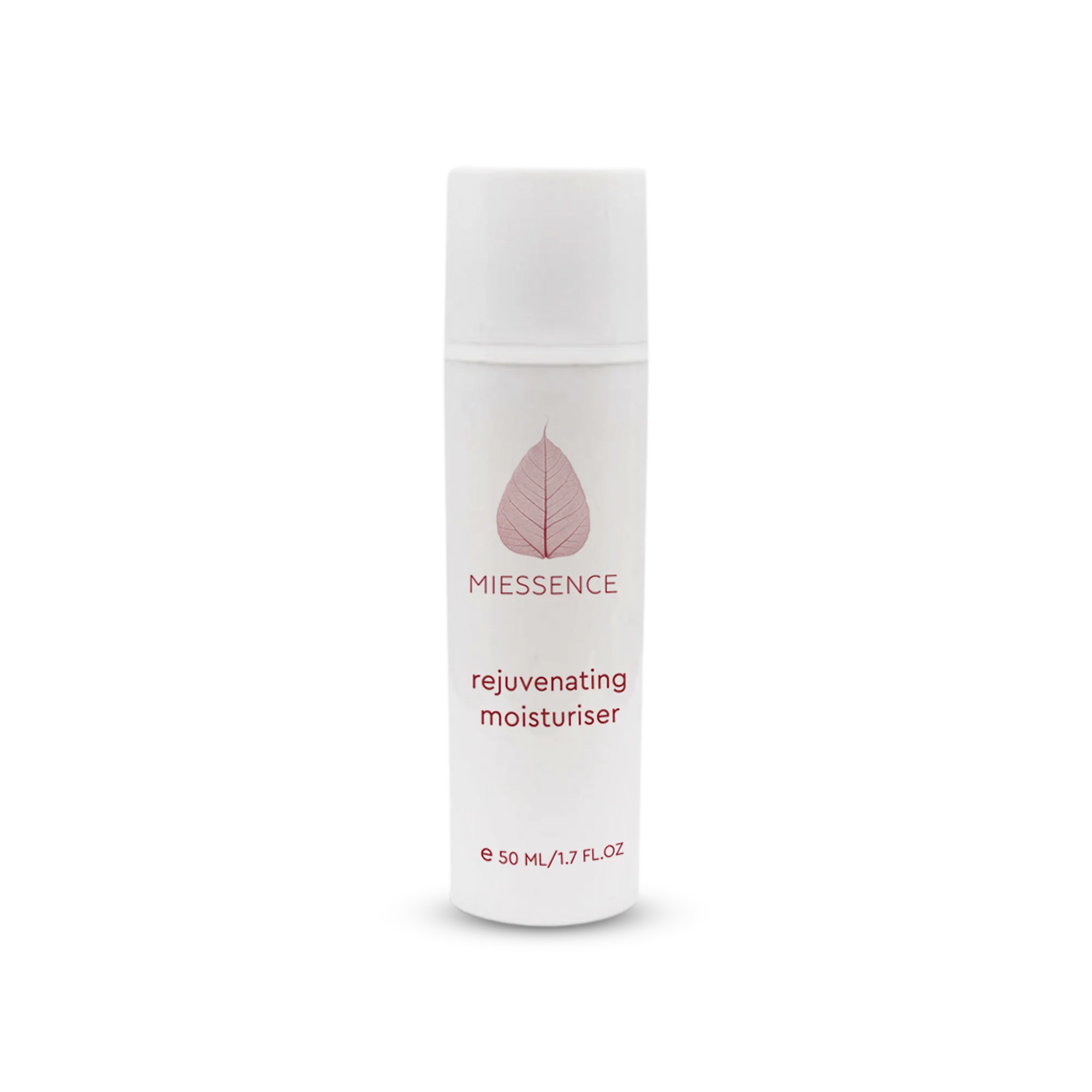
Who it’s for: dry or mature skin that needs a richer cream over serum, especially at night after retinol.
Key ingredients: aloe vera leaf juice, jojoba seed oil, avocado oil, rosehip seed oil and shea butter (first five listed).
Pros: avocado oil and shea make it richer than the Balancing cream; the brand says to use it after your hydrating serum and any treatment, which fits the wait-then-moisturize routine.
Cons: likely too rich for oily skin; costs more per ml than the serum.
Price: A$71.00 for 50 ml (1.7 fl oz) on one.organic.
How We Chose These Picks
We have not tested these products ourselves yet, so we did not invent a review. We picked them only from the Vigrovia skin care shelf by reading each ingredient list, size, price per ml and the brand’s own directions, then checked the wait times against the dermatologist guidance and research linked above.
Frequently Asked Questions
How long to wait between toner, serum, and moisturizer?
Apply toner onto a cleansed face and proceed to your serum immediately while your skin is still damp. After gently pressing your serum in, wait 30 to 60 seconds for it to absorb before smoothing on your moisturizer. Damp skin improves humectant penetration across all steps.
How long to wait between peptide serum and moisturizer?
You only need to wait about 60 seconds after applying a peptide serum. Peptides do not rely on an acidic pH or deliberate chemical irritation to work. Once the lightweight formula feels absorbed and non-slick, apply your daily moisturizer to lock the peptides against your skin.
How long to wait between serum and cream if products pill?
If your skincare products pill or roll off in tiny clumps, extend your wait time to 2 or 3 minutes. Pilling occurs when silicones, thickeners, or unabsorbed serums clash with heavy cream emollients. Allowing complete absorption or using slightly less serum prevents this friction.
How long should I wait before applying moisturizer after serum at night?
At night, wait 10 to 15 minutes if you are using active treatments like retinol, prescription retinoids, or exfoliating acids (AHAs/BHAs). If you are using simple hydrating or nourishing serums like glycerin or peptides, waiting 60 seconds before applying night cream is completely sufficient.
Build Your Serum and Moisturizer Routine
Tonight, try the simple version: cleanse, pat on a hydrating serum, count to 60, then press on moisturizer. If you use vitamin C or retinol, give those 5 to 20 minutes first. For the full layering order, read our guide on serum before or after moisturizer.

Ahetesam Sabugar
Ahetesam Sabugar is the founder of Vigrovia. He researches and writes guides on skincare, supplements, fitness recovery and home-gym gear. He isn't a doctor, so every article is built from published studies, ingredient labels and trusted sources like the NIH and Cleveland Clinic, and is updated when new research comes out.
More articles by Ahetesam →