
On this page
Magnesium and Sleep Systematic Review: What Science Says
Quick answer: A systematic review of 12 clinical trials found that magnesium may offer modest sleep benefits for certain people, especially those with low dietary intake. However, current evidence does not support magnesium as a routine treatment for insomnia, as clinical findings remain inconsistent across different formulations and trial groups.
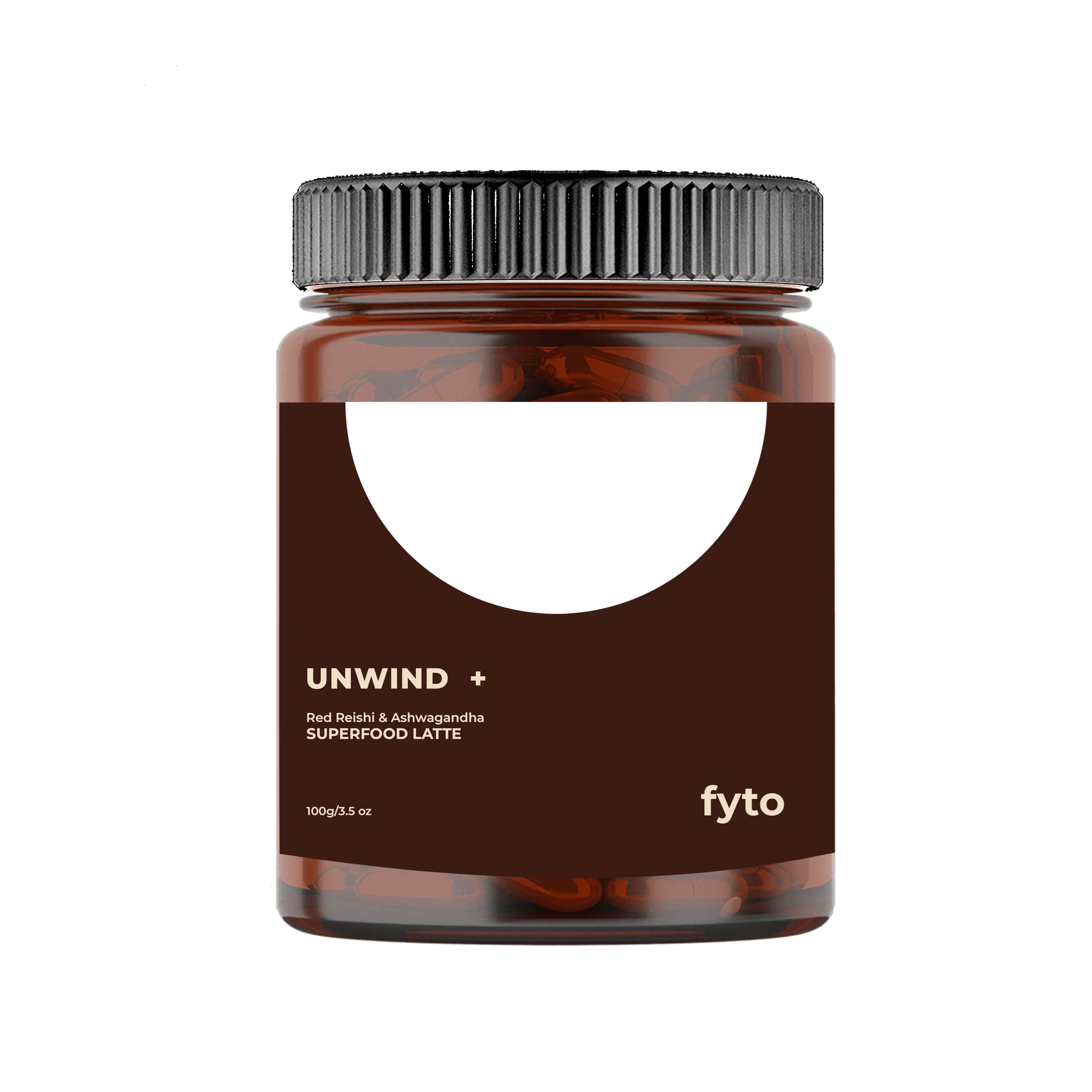
What to use: Support your evening routine by combining natural calming habits with proven physical sleep aids. Brew a warm cup of Unwind + Superfood Latte an hour before bed to promote full-body relaxation with organic ashwagandha and red reishi. Pair it with Ozlo Sleepbuds on your nightstand to block outside disruptions and soothe your mind with consistent masking audio. Why we chose this pair: while mineral supplements yield mixed scientific results for chronic insomnia, combining calming adaptogenic superfoods with non-pharmaceutical audio masking directly eases mental stress and sensory nighttime awakenings.

What Happened: Magnesium and Sleep Systematic Review
A comprehensive systematic review reported by nutraingredients.com analyzed 12 placebo-controlled clinical trials to evaluate whether magnesium supplements genuinely resolve sleep disorders.
As of October 14, 2026, the scientific evaluation concluded that while magnesium may provide modest sleep benefits in specific populations, the evidence does not support using it as a routine clinical treatment for chronic insomnia. Lead author Adrian Lopresti, managing director at Clinical Research Australia, explained that while the mineral shows real promise for individuals with low baseline dietary intake, clinical trial outcomes remain largely inconsistent across diverse patient groups.
The review arrives amid massive market growth. The global magnesium supplement market reached $4.7 billion in 2025 and is projected to hit nearly $9 billion by 2034. In North America alone, sales hit $336 million in the twelve months leading to June 2024, driving 27% of growth in calmative categories. Despite viral social trends, Lopresti cautioned that personal anecdotes must not be confused with rigorous trial evidence.
What It Means for You and Your Nighttime Routine
If you take magnesium nightly for deep sleep, this review means your supplement might support relaxation, but it will not cure underlying clinical insomnia on its own according to overnight sleep fix insights.
Many consumers experience real relaxation benefits because magnesium contributes to healthy muscle recovery and neurotransmitter function. However, if your sleeplessness stems from stress, circadian disruption, or environmental noise, mineral pills cannot act as a quick sedative. Evaluating whether your daily diet has noticeable signs of nutrient deficiency provides far better clarity than treating supplements like sleeping pills.
Does Magnesium Really Help Sleep or Is It Just Hype?
Magnesium does support natural relaxation pathways, but research published in clinical databases like NCBI shows it only produces modest sleep improvements.
The 12 analyzed trials revealed that positive sleep outcomes appeared primarily in people who entered the trials with inadequate dietary magnesium. When the body lacks sufficient minerals, nervous system excitability stays elevated. Supplementation helps normalize these physiological markers. Yet for individuals with adequate mineral levels, adding extra magnesium did not reliably increase total sleep duration or reduce sleep onset latency.
What Type of Magnesium Is Best for Sleeping?
Clinical trials showed favorable sleep-related outcomes using magnesium bisglycinate, magnesium chloride, magnesium oxide, and magnesium L-threonate, as reviewed in science-backed supplement research.
The review noted significant differences between available forms:
- Magnesium bisglycinate: Highly popular on social media for sleep, though only one trial in the review evaluated it directly.
- Magnesium L-threonate: Studied across three trials; it improved daytime cognitive function, though sleep architecture improvements were less consistent.
- Magnesium oxide and chloride: Demonstrated favorable sleep outcomes in small individual trials despite varying absorption rates.
- Magnesium citrate: Evaluated in one trial, but failed to show consistent sleep benefits.
How Effective Is Magnesium for Sleep Compared to Lifestyle?
Magnesium supplements are noticeably less effective for insomnia than behavioral habits, proper sleep hygiene, and sound management outlined by the Cleveland Clinic.
While health creators on social media present magnesium as an effortless cure, researcher Adrian Lopresti emphasized that trials often measured completely different primary outcomes. Some recorded daytime fatigue while others examined nightly waking. Because supplements cannot block environmental noise or halt blue light melatonin suppression, practical behavioral tools consistently outperform isolated mineral supplementation.
Common Magnesium for Sleep Mistakes
Relying on supplements without understanding dosages or formulations often leads to poor results and digestive upset.
- Treating magnesium like a sedative: Magnesium does not knock you out; it merely supports baseline biochemical relaxation.
- Using magnesium citrate for sleep: Citrate pulls water into the colon and promotes bowel motility rather than restorative slumber.
- Ignoring elemental magnesium amounts: Labels frequently state total compound weight rather than elemental yield, confusing actual dosage.
- Overlooking sleep hygiene: Popping a pill while browsing phones under bright overhead light cancels potential calming benefits.
- Expecting overnight cures for chronic insomnia: Clinical trials show mineral replenishment takes weeks of steady, consistent intake.
Recommended Nighttime Relaxation & Sleep Tools
Explore these non-pharmaceutical nighttime solutions from our health & wellness collection to help your mind and body unwind naturally. We have not tested them on our own skin yet. We chose them by reading full ingredient lists, label directions and prices on the brand’s own site in October 2026.
| Product | Best for | Key ingredients | Size | Price | Per ml |
|---|---|---|---|---|---|
| Unwind + Superfood Latte | Bedtime calm and stress relief | [‘Raw Cacao’, ‘Red Reishi’, ‘Ashwaghanda’, ‘Monk Fruit’] | – | A$40.00 | – |
| Ozlo Sleepbuds | Blocking disruptive night noise | [‘Comfort-fit silicone tips’, ‘Noise-masking audio drivers’, ‘Smart sensors’] | – | $274.00 | – |
| ORG Lavender Essential Oil | Aromatherapy bedroom diffusion | [‘100% Pure Certified Organic Lavandula Angustifolia Oil’] | 10 ml | A$29.00 | A$2.90 |
Unwind + Superfood Latte
Who it’s for: Anyone seeking a warm, soothing nighttime beverage to encourage natural physical relaxation without synthetic additives.
Key ingredients: Raw Cacao, Red Reishi, Ashwaghanda, Monk Fruit
Pros: Features certified organic adaptogens, Free from added gums or fillers
Cons: Distinct herbal mushroom flavor, Requires warm liquid prep
Price: A$40.00 on one.organic.
Ozlo Sleepbuds
Who it’s for: Light sleepers and urban apartment dwellers struggling with night awakenings from partner snoring or street traffic.
Key ingredients: Comfort-fit silicone tips, Noise-masking audio drivers, Smart sensors
Pros: Engineered for comfortable side sleeping, Clinically focused masking profiles
Cons: Premium electronic price tag, Requires daily battery recharging
Price: $274.00 on ozlosleep.com.
ORG Lavender Essential Oil
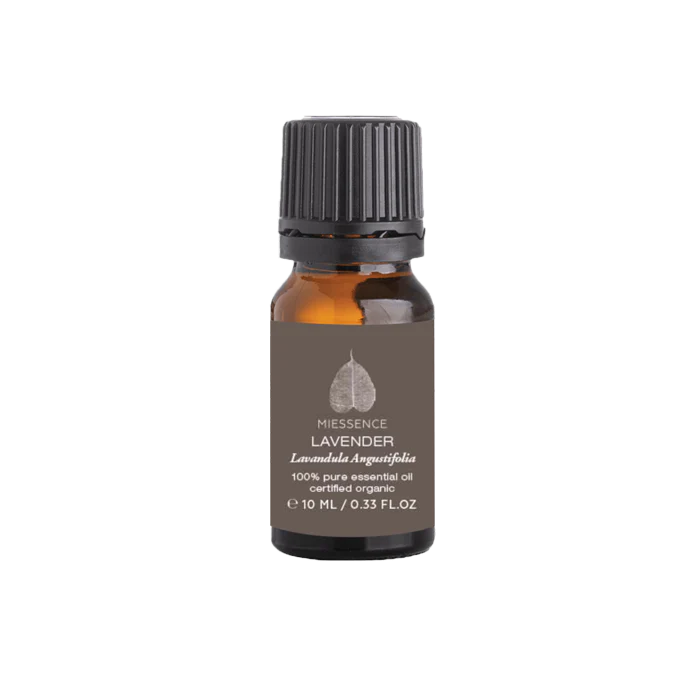
Who it’s for: Individuals who want a gentle, sensory scent ritual to signal to the nervous system that it is time for rest.
Key ingredients: 100% Pure Certified Organic Lavandula Angustifolia Oil
Pros: Single pure botanical ingredient, Versatile for diffusers or pillow drops
Cons: Must be diluted before skin contact, Scent strength may vary
Price: A$29.00 for 0.33 fl oz (10 ml) on one.organic.
Frequently Asked Questions
What magnesium is best for insomnia?
Clinical trials highlight magnesium bisglycinate and magnesium L-threonate for relaxation and daytime functioning. However, the latest systematic review emphasizes that no specific formulation has sufficient comparative evidence to prove superiority for clinical insomnia.
How does magnesium make you sleep better?
Magnesium acts as an essential cofactor in biological processes that regulate neurotransmitters like GABA. By promoting nerve signaling balance and healthy muscle contraction, it helps ease physical tension prior to bedtime.
Can magnesium cause restless sleep?
Excessive intake of certain forms, especially magnesium citrate or oxide in high elemental doses, can trigger digestive cramping and frequent bathroom visits, leading to fragmented, interrupted sleep.
How much magnesium should I take for better sleep?
Most general wellness guidelines recommend keeping supplemental elemental magnesium between 200 and 350 mg daily. Exceeding recommended upper levels often results in gastrointestinal distress rather than deeper slumber.
Does magnesium help sleep Reddit users praise?
Reddit communities frequently recommend magnesium glycinate for vivid dreams and anxiety reduction. While anecdotal reports are widespread, researchers note personal testimonials do not match the mixed results seen in controlled clinical trials.
Build Your Science-Backed Bedtime Routine
Tonight, try the simple version: turn off bright screens 45 minutes before bed, sip a comforting botanical drink, and review our overnight sleep guide alongside our lavender oil sleep benefits to build lasting evening rest. Explore curated tools across our health & wellness section to support restorative sleep naturally.

Ahetesam Sabugar
Ahetesam Sabugar is the founder of Vigrovia. He researches and writes guides on skincare, supplements, fitness recovery and home-gym gear. He isn't a doctor, so every article is built from published studies, ingredient labels and trusted sources like the NIH and Cleveland Clinic, and is updated when new research comes out.
More articles by Ahetesam →