
On this page
Serum Before or After Moisturizer? The Right Order
Quick answer: If you are unsure whether to apply serum before or after moisturizer, serum always goes first. Cleanse, use toner if you have one, press a few drops of serum into slightly damp skin, then seal it in with moisturizer. Thin, watery products go on first and thick creams go last, so serum sits under your moisturizer morning and night, with sunscreen as the final morning step.
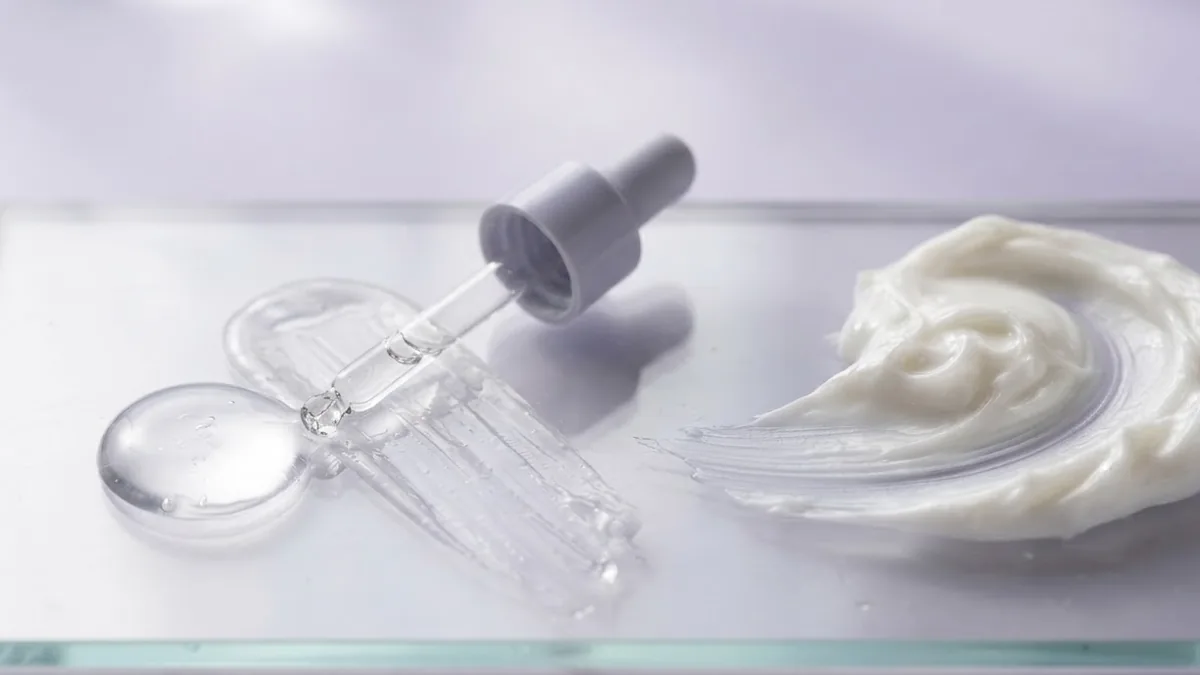
What to use: For dry or mature skin, layer the ORG hydrating serum for mature skin (aloe, gotu kola and horsetail) under the ORG organic moisturizer for dry skin (jojoba, avocado and rosehip oils with shea butter). Both come from a certified organic Australian brand, and the moisturizer’s own directions say to apply it right after the serum.
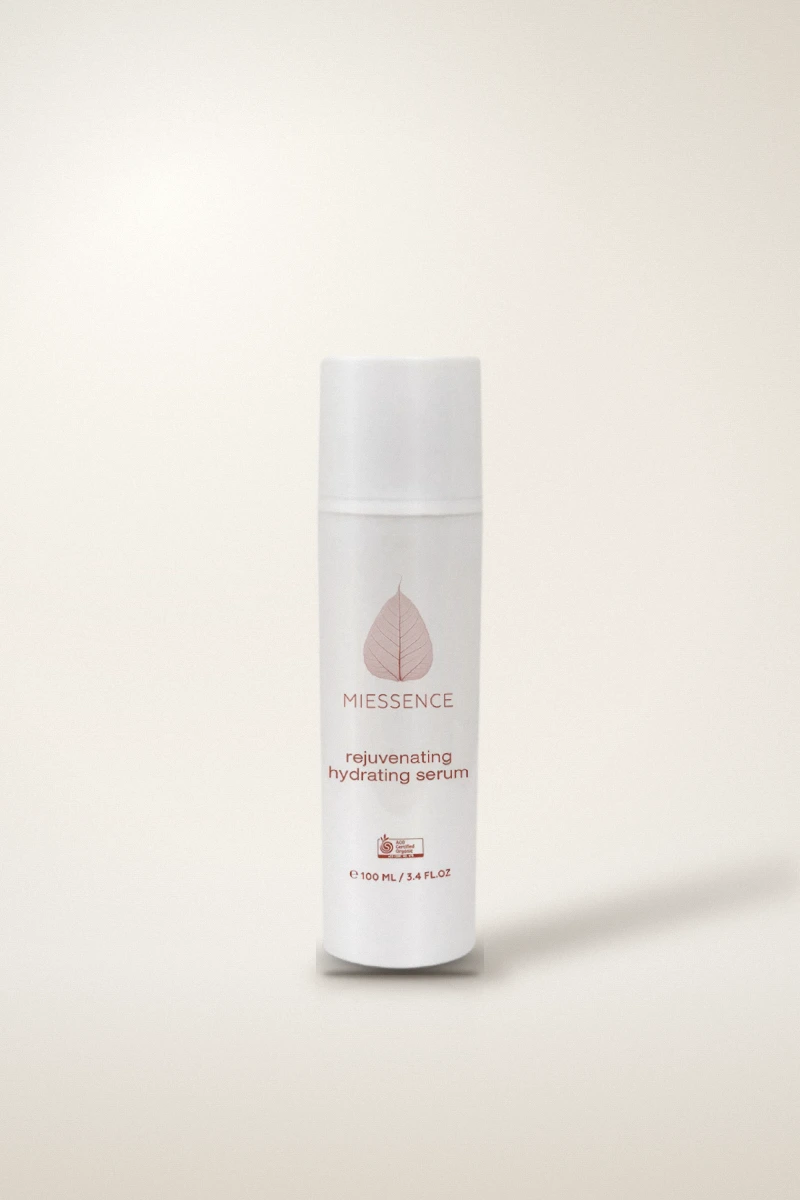
STEP 1 · SERUM
Miessence Rejuvenating Hydrating Serum
For dry & mature skin · 100 ml / 3.4 fl oz
A$41.00
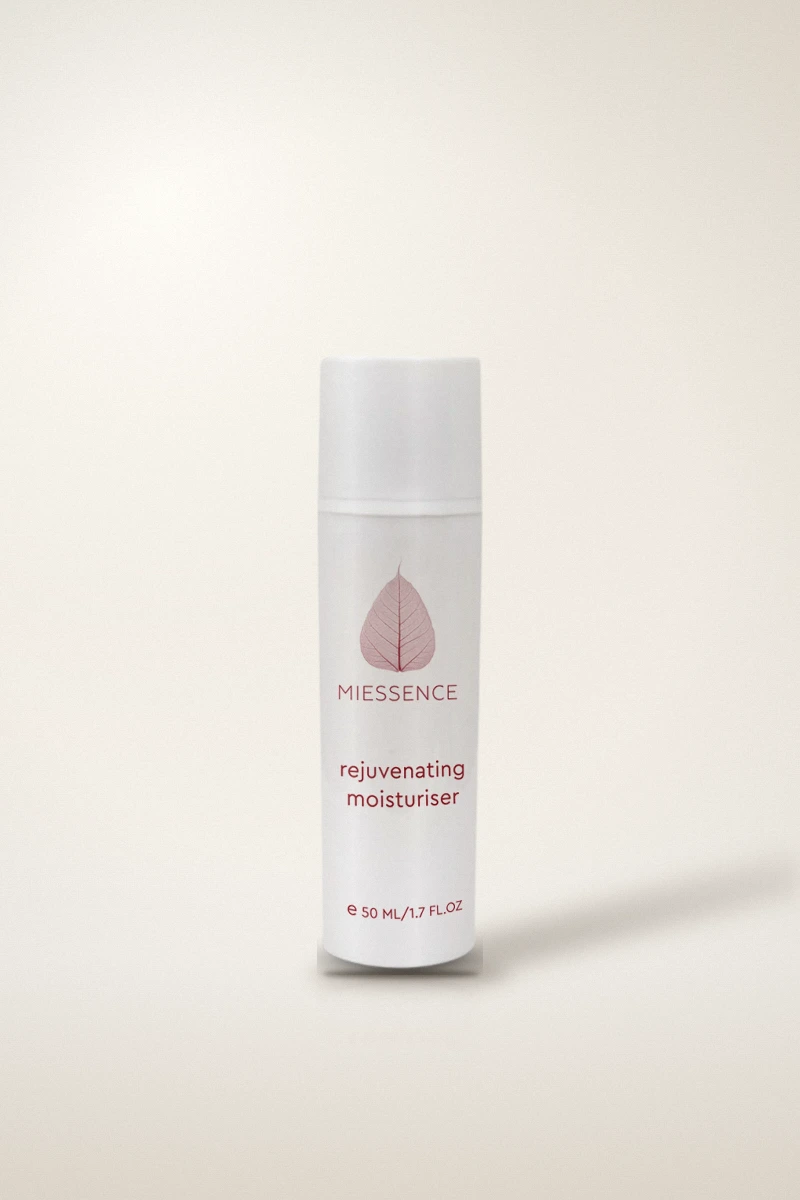
STEP 2 · MOISTURIZE
Miessence Rejuvenating Moisturiser
For dry & mature skin · 50 ml / 1.7 fl oz
A$71.00
Serum Before or After Moisturizer? What Dermatologists Say
Serum goes before moisturizer, every time. Cleveland Clinic dermatologists order a routine from the thinnest product to the thickest, so a light serum goes on clean skin and a richer cream goes on top of it.
The reason is simple. Serums are small, concentrated formulas made to deliver active ingredients such as hyaluronic acid, vitamin C or niacinamide. Moisturizers are heavier and are built to hold water in and protect your skin barrier. If you put a cream on first, it forms a layer the serum struggles to get through, so much of it stays on the surface. Serum first, moisturizer second, and you get the benefit of both.
Serum Before or After Toner?
Serum goes after toner. Toner is the thinnest step, so it comes straight after cleansing, as our toner order guide explains, and serum follows while your skin is still slightly damp.
A watery toner leaves a light film of moisture that helps a serum spread evenly with fewer drops. Pat the toner in, wait a few seconds, then press two or three drops of serum into your face and neck. If you do not use toner, that is fine. Apply serum right after cleansing instead, on skin you have patted dry but not fully dried. The order stays the same either way: cleanser, toner, serum, then moisturizer.
Serum Before or After Moisturizer for Dry Skin
Dry skin follows the same rule: serum first, then moisturizer. The American Academy of Dermatology advises moisturizing while skin is still damp, so apply a hydrating serum right after cleansing and follow quickly with a rich cream.
For dry skin, look for a serum with water-binding ingredients such as hyaluronic acid, glycerin or aloe, then a moisturizer with oils, shea butter or ceramides to lock that water in. A serum alone is not enough, because it adds water but does not stop it from escaping. Our guide on how to apply serum for dry skin covers the pressing technique, and our best serum for dry skin guide compares formulas.
Serum or Moisturizer First at Night?
At night, serum still goes before moisturizer. What changes is the serum itself: Cleveland Clinic suggests using vitamin C in the morning and keeping retinol for nighttime, so a retinol serum often takes the serum slot in the evening.
A simple night routine is cleanser, toner if you use one, serum or retinol, eye cream, then moisturizer. Night is when skin loses the most water, so a slightly richer moisturizer helps. If retinol stings, many people use the buffer method: a thin layer of moisturizer first, then retinol, then more moisturizer on top. That is the one common exception to the serum-first rule, and it only applies to strong actives that irritate your skin.
How Long to Wait Between Serum and Moisturizer?
Wait about 30 to 60 seconds, until the serum feels absorbed or slightly tacky rather than wet. You do not need a long timer between skincare routine steps, because most water-based serums sink in quickly.
Putting moisturizer over a dripping wet serum can make it slide around and pill. Waiting too long has its own downside, because skin that dries out completely loses some of the water the serum drew in. Use that half-minute to apply eye cream or to smooth the leftover serum down your neck. Prescription treatments are different, so follow your dermatologist’s timing for those. For everyday serums, a short pause is all you need.
Can You Apply Serum After Moisturizer and Sunscreen?
No, serum should not go on top of moisturizer or sunscreen. Sunscreen is always the last morning step, as we cover in our sunscreen order guide, and rubbing serum over it can disturb the even layer you need for protection.
Serum over moisturizer will not harm your skin, but much of it will sit on the surface instead of soaking in. If you forgot your serum, the better fix is to skip it that morning or start again on clean skin. If you want a midday boost over makeup and sunscreen, use a facial mist instead of a serum, and reapply sunscreen about every two hours when you are outdoors. Keep the order simple: serum, moisturizer, sunscreen.
Serum, Moisturizer and Sunscreen: The Full Order
The full order is cleanser, toner, serum, eye cream, moisturizer and, in the morning, sunscreen. Cleveland Clinic says the bare minimum is cleanser, moisturizer and sunscreen, and recommends using only one serum at a time rather than stacking several.
Everything else is optional and fits the same thin-to-thick pattern. Eye cream goes after serum and before moisturizer, which we explain in our eye cream order guide. Here is how the morning and night routines compare side by side.
| Step | Product | Morning | Night |
|---|---|---|---|
| 1 | Cleanser | Yes | Yes |
| 2 | Toner | Optional | Optional |
| 3 | Serum | Yes (vitamin C or hydrating) | Yes (retinol or hydrating) |
| 4 | Eye cream | Optional | Optional |
| 5 | Moisturizer | Yes | Yes |
| 6 | Sunscreen | Yes (SPF 30+) | No |
Common Serum and Moisturizer Mistakes
The biggest mistake is putting moisturizer on before serum, which keeps the serum from reaching your skin. Others are stacking too many serums and skipping moisturizer, problems that also appear in our list of skincare mistakes.
- Layering three or four serums. More actives mean more irritation, not faster results. Stick to one or two.
- Mixing retinol and acids in one routine. Use them on different nights or at different times of day.
- Using too much. Two or three drops cover the whole face and neck.
- Skipping moisturizer. Serum adds water; moisturizer keeps it in.
- Applying on bone-dry skin. Slightly damp skin helps hydrating serums spread and work.
Recommended Serums and Moisturizer
If you want a ready-made serum and moisturizer pair, these two products from our skin care picks follow the same thin-to-thick order. We chose them by reading their full ingredient lists and matching them to dry or mature skin, the skin type this pair is made for.
ORG Rejuvenating Hydrating Serum: Best for Dry or Mature Skin
Who it’s for: dry or mature skin that feels tight after cleansing.
Key ingredients: organic aloe vera juice with gotu kola (centella), horsetail, nettle and chamomile extracts.
Pros: light, water-based texture that sinks in fast; certified organic; made for twice-daily use on damp skin.
Cons: contains rose geranium and chamomile essential oils, so patch test if your skin is fragrance-sensitive; no hyaluronic acid; priced in Australian dollars with overseas shipping.
Price: $41 AUD for 100 ml.
ORG Rejuvenating Moisturiser: Best Cream to Seal In Serum
Who it’s for: dry or mature skin, layered over the serum above.
Key ingredients: organic jojoba, avocado and rosehip seed oils, shea butter and gotu kola.
Pros: rich cream that customers say absorbs fully; the brand’s directions place it right after the hydrating serum, which matches the serum-first order.
Cons: contains rose and Roman chamomile essential oils and sugar cane alcohol; at 50 ml it costs more per ml than the serums.
Price: $71 AUD for 50 ml.
Frequently Asked Questions
What is the correct order for skincare?
Cleanse, tone, apply serum, then eye cream and moisturizer, and finish with sunscreen in the morning. At night, skip sunscreen and use retinol in the serum step if you use it. Always work from the thinnest product to the thickest.
How to apply serum correctly?
Put two or three drops on your fingertips, then press and pat them into slightly damp skin on your face and neck. Avoid rubbing hard. Wait about 30 seconds, then follow with moisturizer.
Can I leave serum overnight?
Yes. Most serums are made to stay on your skin, and night is a good time for retinol or peptide serums. Put moisturizer on top so your skin does not dry out while you sleep.
Which two serums cannot be used together?
Retinol and exfoliating acids such as glycolic or salicylic acid are the classic pair to keep apart, because together they can irritate skin. Cleveland Clinic also suggests vitamin C in the morning and retinol at night.
Is toner really necessary?
No, toner is optional. Cleanser, moisturizer and sunscreen are the essentials. Toner helps if you like extra hydration or use a gentle acid toner to exfoliate, and it always goes before serum.
What is the 4 2 4 rule in skincare?
It is a Korean double-cleansing method: about four minutes massaging an oil cleanser, two minutes with a foaming cleanser, then four minutes rinsing. Cleveland Clinic dermatologists say one gentle cleanse is enough for most people.
Build Your Serum Routine Tonight
Tonight, try the simplest version: cleanse, press two or three drops of serum into damp skin, wait half a minute, then seal it in with moisturizer. Tomorrow morning, repeat the same steps and finish with sunscreen. Once that feels easy, add toner or eye cream in their places. Browse our skin care picks if you need a serum and moisturizer that suit your skin type.

Ahetesam Sabugar
Ahetesam Sabugar is the founder of Vigrovia. He researches and writes guides on skincare, supplements, fitness recovery and home-gym gear. He isn't a doctor, so every article is built from published studies, ingredient labels and trusted sources like the NIH and Cleveland Clinic, and is updated when new research comes out.
More articles by Ahetesam →