
On this page
Rosehip Oil Before or After Moisturizer? The Right Order
Quick answer: Rosehip oil goes after your water-based serum and before a thick moisturizer. The usual order is cleanser, toner, serum, rosehip oil, then cream. If your moisturizer is a light gel, you can put rosehip oil on top as the last night step instead. In the morning, sunscreen always goes last.

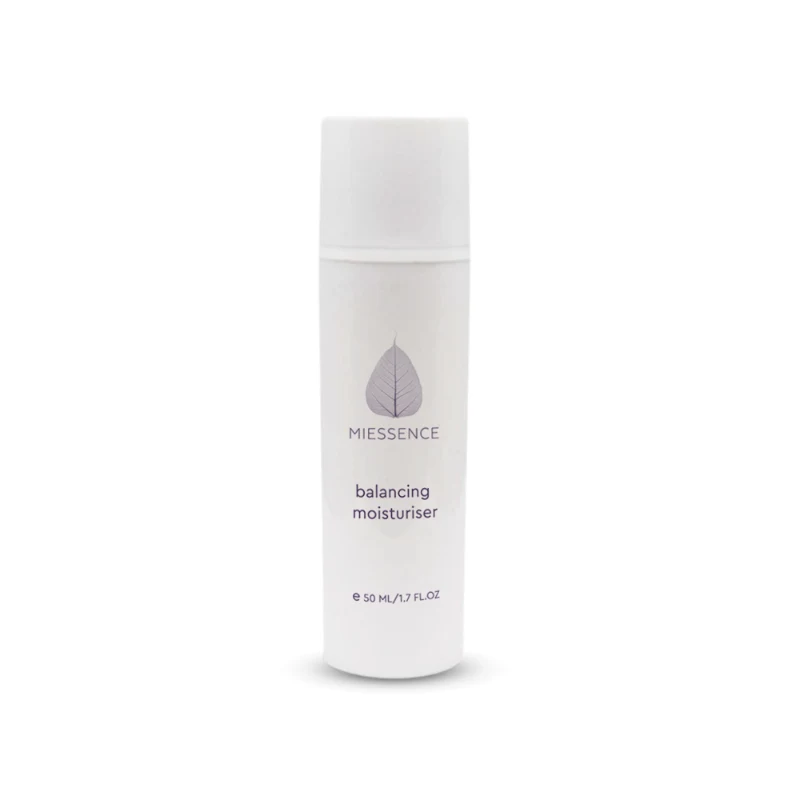
What to use: Press three drops of the ORG Rejuvenessence rosehip facial oil (organic rosehip seed, avocado and jojoba oils) into skin after your serum, then seal it in with the ORG Balancing Moisturiser, a cream that also contains rosehip seed oil and suits normal to combination skin.

STEP 1 · ROSEHIP OIL
ORG Rejuvenessence Facial Serum
Rosehip oil blend · 15 ml / 0.5 fl oz
A$33.00
STEP 2 · MOISTURIZE
ORG Balancing Moisturiser
For normal & combination skin · 50 ml / 1.7 fl oz
A$71.00
Rosehip Oil Before or After Moisturizer: Which Goes First?
Rosehip oil goes before a cream moisturizer. The Ordinary, which sells one of the best-known rosehip oils, tells users to apply face oils after water-based serums and before heavier creams, so the oil sits under the moisturizer.
Here is why. Rosehip oil is a light, fast-absorbing “dry” oil that softens and smooths the skin surface. A moisturizer adds water-binding ingredients and a protective layer on top. Putting the oil on first lets it reach your skin directly, and the cream then locks both in. The one exception is a thin gel moisturizer: if yours is watery, apply it first and finish with rosehip oil as the seal.
Rosehip Oil Before or After Moisturizer for Oily Skin
For oily skin, use a light gel moisturizer first and rosehip oil on top, or let two drops of oil replace the moisturizer at night. Our guide on how to use rosehip oil on your face shows how little you need.
Rosehip oil is rich in linoleic acid, a light fatty acid that oily skin tends to tolerate well, so a thin layer rarely feels greasy. Keep it to two or three drops, press it in rather than rubbing, and try it at night first to see how your skin reacts. If you wake up shiny, mix one drop into your gel instead. A heavy cream on top is usually too much for oily skin.
Rosehip Oil Before or After Moisturizer for Dry Skin
Dry skin should use rosehip oil before moisturizer, on slightly damp skin, then seal it in with a rich cream. It is the same thin-to-thick order from our serum before or after moisturizer guide, with the oil added after serum.
Dry skin loses water quickly, so layering matters more. Apply your hydrating serum while your face is still a little damp, press in three or four drops of rosehip oil, then add a cream with ceramides or shea butter. The oil softens rough, flaky patches, and the cream on top slows water loss through the night. In very cold or dry weather, a fourth drop is fine.
Rosehip Oil Before or After Moisturizer for Acne-Prone Skin
Acne-prone skin should use a non-comedogenic moisturizer first, then a thin layer of rosehip oil, at night only to start. Rosehip oil is light and generally safe for all skin types, but too much can clog pores.
It is not an acne treatment, though, so go slowly. Start with one or two drops every other night for two weeks and watch for new bumps. Keep it off spots you are treating with benzoyl peroxide or salicylic acid, so you can tell what is actually helping. If your skin stays calm after two weeks, move up to nightly use and keep the gel moisturizer underneath.
Rosehip Oil Before or After Sunscreen?
Rosehip oil always goes before sunscreen, never after. Sunscreen is the last step of a morning routine, as our sunscreen before or after moisturizer guide explains, because anything layered on top can thin its protective film.
Rosehip oil is not a sunscreen, even though it contains antioxidants such as vitamin E and carotenoids. In the morning, use one or two drops only, wait two or three minutes for it to sink in, then apply a full layer of SPF 30 or higher. If your sunscreen pills or slides around, move rosehip oil to your night routine and keep your mornings light.
When to Use Rosehip Oil in Your Skincare Routine
Use rosehip oil at night for the best results, after cleanser, toner and serum and before your night cream. It works in the morning too, in the same slot of our 12-step skincare routine, but keep the amount small under sunscreen.
Night is when your skin is free of makeup and SPF, so the oil can stay on for hours without pilling. Twice a day is fine if your skin is dry. Be patient: most people notice softer skin within two weeks, while marks and uneven tone take longer, as our guide on how long rosehip oil takes to work explains.
| Step | Product | Morning | Night |
|---|---|---|---|
| 1 | Cleanser | Yes | Yes |
| 2 | Toner | Optional | Optional |
| 3 | Serum | Yes (vitamin C or hydrating) | Yes (retinol or hydrating) |
| 4 | Rosehip oil | Optional (1–2 drops) | Yes (2–4 drops) |
| 5 | Moisturizer | Yes | Yes |
| 6 | Sunscreen | Yes (SPF 30+) | No |
Can You Mix Rosehip Oil With Moisturizer?
Yes, you can mix rosehip oil with moisturizer. The Ordinary says face oils can be mixed into a moisturizer, though applying the oil first gets the most out of it. Mixing is the easiest option for oily skin or busy mornings.
To mix, put your usual amount of moisturizer in your palm, add one or two drops of rosehip oil, rub your hands together and press it over your face. This spreads the oil thinner, so it feels lighter and is less likely to pill under makeup. Only mix it with a cream or lotion, never with sunscreen, because diluting SPF lowers the protection you get.
Do Other Face Oils Go Before or After Moisturizer?
Most face oils, including marula, jojoba and argan, follow the same rule as rosehip oil: after serums, before a cream moisturizer. Our essential oils guide covers which oils suit which skin, but the layering order stays the same.
The thinner the oil, the earlier it can go. Light oils like rosehip, squalane and jojoba sink in fast, so they sit comfortably under a cream. Richer oils such as marula or avocado can work as the very last step on dry skin. Never put essential oils like tea tree or lavender on your face undiluted; they belong in a carrier oil such as rosehip, at a very low dilution.
Rosehip Oil Disadvantages to Know
Rosehip oil is safe for most people, but it has a few downsides. Healthline says allergic reactions are not uncommon and advises a patch test before your first use, so try it on a small area first.
It also spoils fast. Rosehip oil is full of delicate fatty acids that break down with heat, light and air, so buy a dark glass bottle, keep it somewhere cool and use it within about six months of opening. A sharp, crayon-like smell means it has gone rancid. On very oily skin, too much can feel heavy or lead to breakouts, and its orange tint can mark light pillowcases.
Can I Use Rosehip Oil on My Face Every Day?
Yes, you can use rosehip oil on your face every day, once or twice. It is gentle enough to pair with most actives, and our rosehip oil vs retinol comparison shows how to use both in one routine.
Steady daily use is what brings results. Use two to four drops each time; more only leaves your skin greasy. If you use retinol, apply it first, wait a few minutes, then add rosehip oil to calm dryness. Use strong acids such as glycolic acid on separate nights at first. If you see redness, itching or new bumps, stop and give your skin a few days off.
Common Rosehip Oil and Moisturizer Mistakes
The biggest mistake is putting rosehip oil on top of sunscreen, or burying it under a cream too heavy for your skin type. As our toner before or after moisturizer guide explains, thin products go first and thick ones last.
- Using too much. Two to four drops cover the whole face. Five or more just sits on the surface.
- Applying it to bone-dry skin. Slightly damp skin spreads the oil more evenly.
- Mixing it into sunscreen. This dilutes your SPF.
- Keeping an old bottle. Rancid oil can irritate skin, so replace it after about six months.
- Skipping the patch test. Try it on your jawline for a day before using it all over.
Recommended Rosehip Oil and Moisturizers
If you want a rosehip oil and moisturizer that follow the oil-then-cream order, these three picks from our skin care reviews come from the same certified-organic range. We chose them by reading their full ingredient lists and matching each one to a skin type. If you buy through these links, we may earn a small commission at no extra cost to you.
ORG Rejuvenessence Facial Serum: Best Rosehip Oil Blend
Who it’s for: tired, dry or mature skin that wants a face oil between serum and moisturizer.
Key ingredients: organic rosehip seed, avocado and jojoba oils with rose, calendula and carrot.
Pros: rosehip-based oil blend made for the face; small bottle you finish before it can go rancid; rated 4.9 out of 5 by buyers on the brand’s site.
Cons: a blend, not pure rosehip oil; costs more per ml than a basic rosehip oil; priced in Australian dollars with overseas shipping.
Price: $33 AUD for 15 ml.
ORG Balancing Moisturiser: Best for Normal or Combination Skin
Who it’s for: normal or combination skin that needs a cream on top of rosehip oil.
Key ingredients: plant phospholipids, organic seed butter, rosehip seed oil, jojoba, calendula and chamomile.
Pros: creamy but not heavy; already contains rosehip seed oil, so it works alone on busy mornings; certified organic.
Cons: contains lavender, so patch test if you react to fragrance; may feel rich on very oily skin; priced in Australian dollars with overseas shipping.
Price: $71 AUD for 50 ml.
ORG Soothing Moisturiser: Best for Sensitive Skin
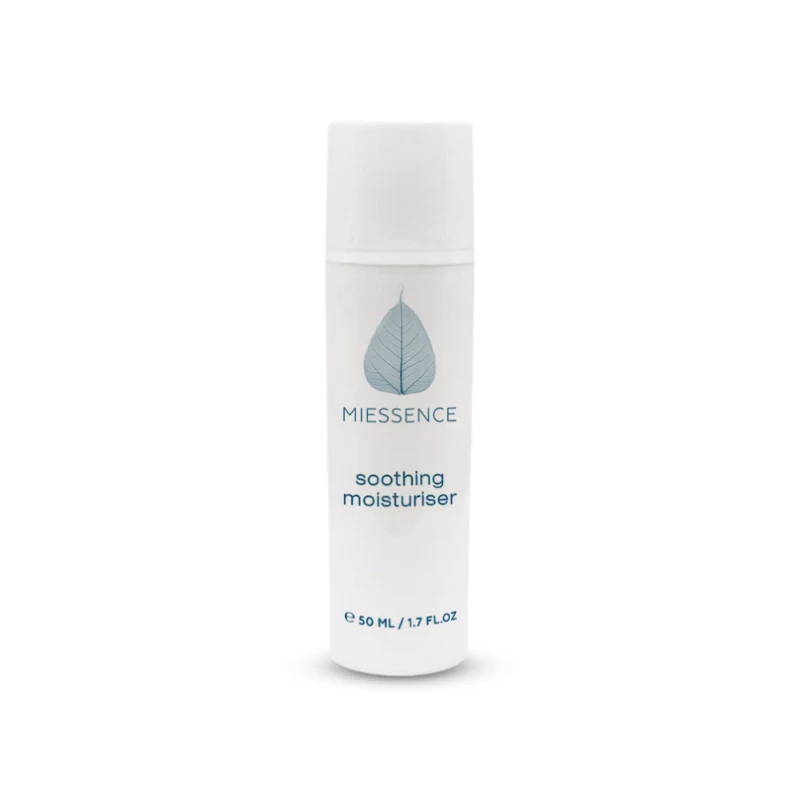
Who it’s for: sensitive or easily irritated skin that wants a calm cream to seal in rosehip oil.
Key ingredients: German and Roman chamomile, calendula, carrot and horse chestnut with nut and seed oils and butter.
Pros: built for sensitive skin; rich enough to sit over a face oil at night; certified organic.
Cons: contains nut oils, so skip it if you have a nut allergy; no SPF, so you still need sunscreen; priced in Australian dollars with overseas shipping.
Price: $71 AUD for 50 ml.
Frequently Asked Questions
What should you not mix with rosehip oil?
Do not mix rosehip oil into sunscreen, because it dilutes your SPF. If your skin is sensitive, avoid layering it with strong acids or benzoyl peroxide on the same night. It pairs well with hyaluronic acid, niacinamide and most moisturizers.
Should I put oil on before or after moisturizer?
Usually before. Face oils go after water-based serums and before creams, so the cream can seal them in. If your moisturizer is a light gel, you can put the oil on top as the final night step.
Can I put rosehip oil on my eyelids?
You can pat a tiny amount on the eye area along the orbital bone, but keep it out of your eyes and away from the lash line. Stop if it stings or makes your eyes water.
Is it okay to leave rosehip oil on face overnight?
Yes. Rosehip oil is a leave-on product, and night is the best time to use it. Apply two to four drops after serum and before your night cream, then cleanse as usual in the morning.
Do I need a moisturizer after rosehip oil?
Not always. Oily or normal skin can use rosehip oil alone at night. Dry skin does better with a cream on top, because oil softens skin and reduces water loss but does not add water.
When should I use rosehip oil on my face?
Use it once or twice a day on clean skin, after serum and before moisturizer. Night is the best time. In the morning, use one or two drops and always finish with sunscreen.
Build Your Rosehip Oil Routine Tonight
Tonight, try the simplest version: cleanse, apply your serum, press three drops of rosehip oil into slightly damp skin, wait a minute, then seal it in with moisturizer. For the rest of your layering questions, see our guide on moisturizer or eye cream first.

Ahetesam Sabugar
Ahetesam Sabugar is the founder of Vigrovia. He researches and writes guides on skincare, supplements, fitness recovery and home-gym gear. He isn't a doctor, so every article is built from published studies, ingredient labels and trusted sources like the NIH and Cleveland Clinic, and is updated when new research comes out.
More articles by Ahetesam →