
On this page
Retinol Before or After Moisturizer? The Right Order
Quick answer: Retinol goes before moisturizer. At night, smooth a pea-sized amount onto clean, fully dry skin, wait a minute or two, then seal it in with moisturizer. If your skin is dry or sensitive, put a thin layer of moisturizer on first and apply retinol on top.
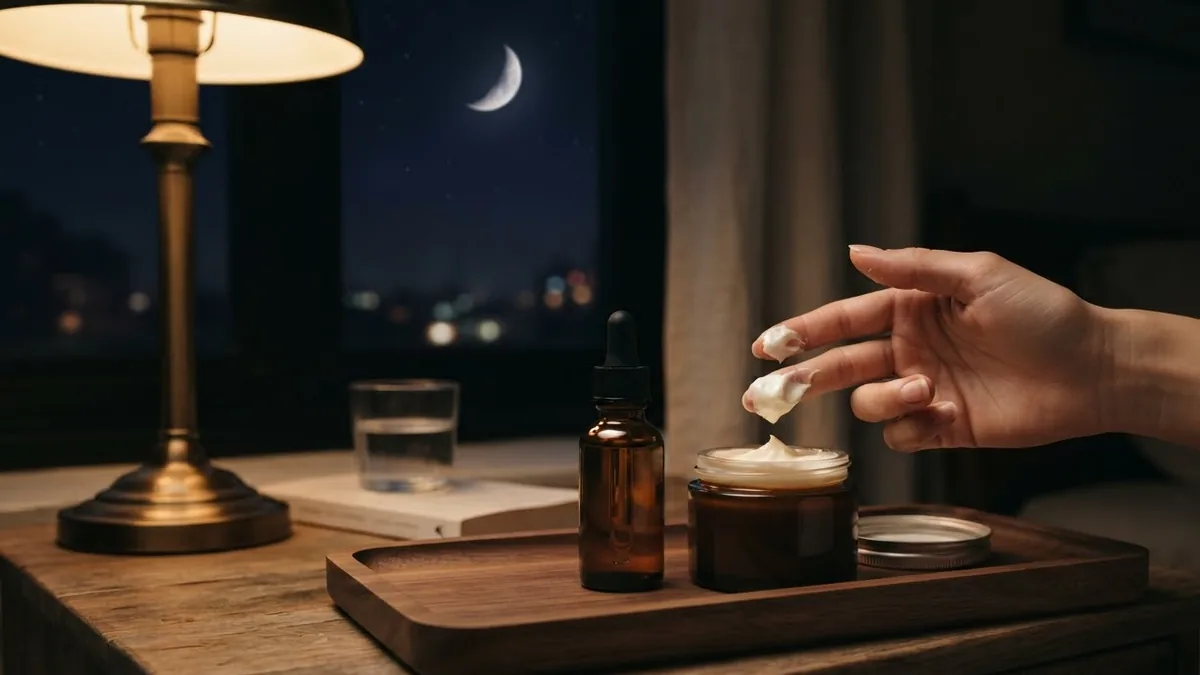
What to use: After cleansing, press on ORG Rejuvenating Hydrating Serum, an aloe-based hydrating serum, and let it dry. Then apply a low-strength retinol, such as The Ordinary Retinol 0.2% in Squalane, and seal it in with ORG Soothing Moisturiser, a calming cream for sensitive skin with aloe vera, shea butter, chamomile and calendula. Why we chose this pair: dermatologists suggest a low starting strength and a good moisturizer for beginners, and both ORG products are built around calming plant ingredients for skin that retinol can leave dry and tight.
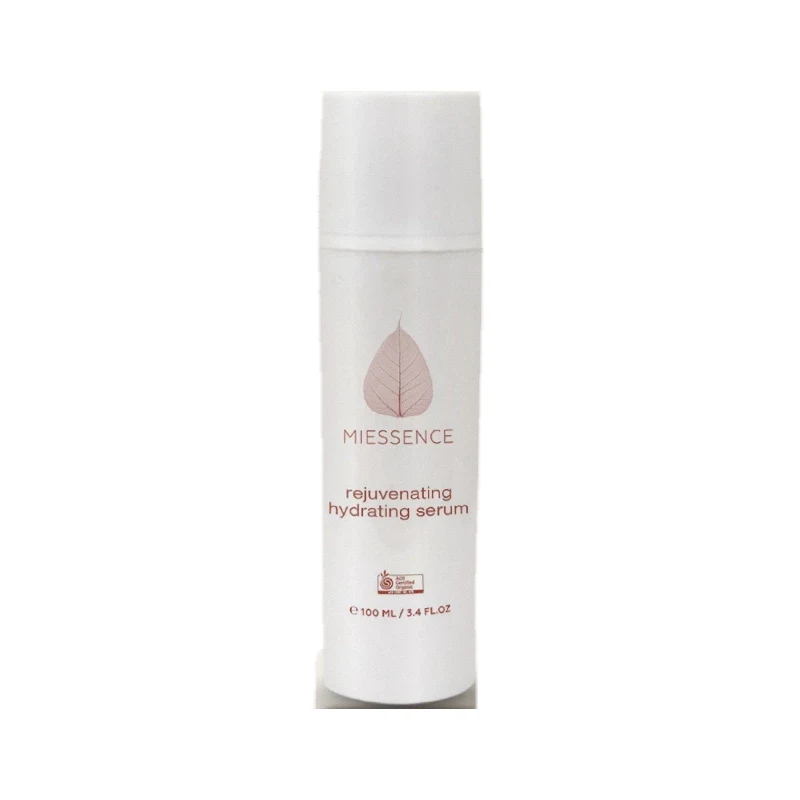
BEFORE RETINOL · HYDRATE
ORG Rejuvenating Hydrating Serum
For dry & mature skin · 100 ml / 3.4 fl oz
A$41.00
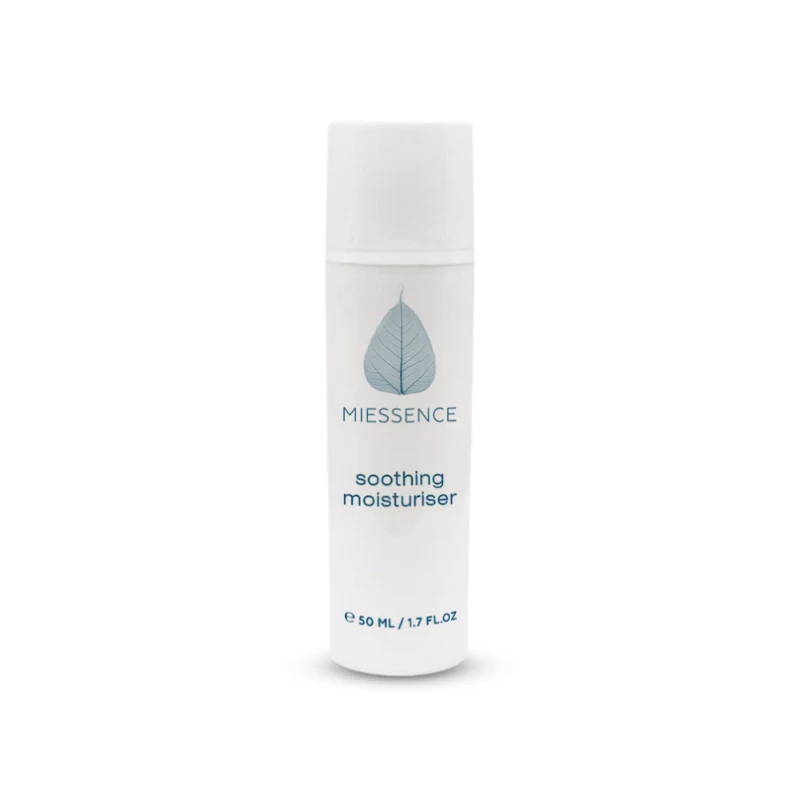
STEP 2 · MOISTURIZE
ORG Soothing Moisturiser
For sensitive skin · 50 ml / 1.7 fl oz
A$71.00
Retinol Before or After Moisturizer: Which Goes First?
Retinol goes first, on clean and fully dry skin, and moisturizer goes on top. The American Academy of Dermatology advises using retinoids at night only and pairing them with a moisturizer to keep dryness and irritation down.
The reason is simple. Retinol is the active ingredient, so it needs to touch your skin directly to do its job. Skincare layers from thinnest to thickest, and most retinol serums are thinner than a night cream. Once the retinol has settled in, the moisturizer adds water-binding ingredients and a soft protective layer that slows water loss. That matters because retinol often causes dryness, flaking and mild stinging in the first few weeks. One exception: if your retinol already comes as a rich night cream, it can be your last step. In that case, use a light hydrating serum underneath instead of a second cream on top.
What Do Dermatologists Say About Retinol and Moisturizer?
Most dermatologists say retinol first, then moisturizer, with an optional thin layer of moisturizer underneath for sensitive skin. A 2025 lab study shown at the AAD meeting found one moisturizer layer, before or after retinol, did not reduce its activity.
The study tested 0.1% retinol and 0.025% tretinoin on donated skin samples, not on people, and it was sponsored by a skincare company, so treat it as early evidence. It compared the retinoid alone, one layer of moisturizer before or after it, and a full “sandwich” of moisturizer, retinoid, then moisturizer. A single layer in either order kept the retinoid working about as well as using it alone. The full sandwich cut its measured activity by roughly three times. The practical takeaway: one buffer layer is fine when your skin is irritated, but stacking cream on both sides every night may water down the results you are paying for.
Retinol Before or After Moisturizer for Dry Skin
For dry skin, apply retinol to dry skin first and follow with a rich, fragrance-free cream. If it still stings, put a thin layer of moisturizer on first. Our dry-skin serum guide covers the rest of the routine.
Dry skin has a weaker barrier, so it loses water faster and reacts to retinol more easily. Two orders work well. The standard one is retinol on dry skin, wait a minute, then a cream with ceramides, glycerin or squalane. The buffer version is a thin layer of moisturizer, a few minutes to let it settle, then retinol on top and nothing after it. Avoid putting retinol on damp skin: many dermatologists say water helps it sink in faster, which is exactly what makes dry skin sting. Skip foaming cleansers on retinol nights, and use retinol two or three nights a week until your skin stops flaking.
Retinol Before or After Moisturizer for Wrinkles
For wrinkles, apply retinol before moisturizer so it reaches your skin directly. In a 24-week trial of 0.4% retinol, older adults showed fewer fine wrinkles than with a plain lotion, so give it months, not weeks.
In that study, published in the Archives of Dermatology in 2007, people over 80 applied a 0.4% retinol lotion to one arm and a plain lotion to the other. After 24 weeks, the retinol side had fewer fine wrinkles and more of the building blocks skin uses to make collagen. Two lessons for your routine: the order matters less than using it consistently, and results are slow. Keep the moisturizer on top so you can keep using retinol without quitting from dryness. If retinol is too harsh for you, read our rosehip oil vs retinol comparison for a gentler option.
Retinol Before or After Moisturizer for Acne
For acne-prone skin, apply retinol first, then a light, oil-free, non-comedogenic moisturizer. Some products are built for this, like CeraVe Resurfacing Retinol Serum, which the brand makes for post-acne skin.
Retinoids help keep pores from clogging, which is why they are a common acne treatment. Oily skin still needs moisturizer on retinol nights: when skin gets dry and irritated, people tend to stop using retinol, and the breakouts come back. Pick a gel or lotion texture and look for “non-comedogenic” on the label. If you use a prescription retinoid such as tretinoin or adapalene, follow your doctor’s directions first. Ask before adding benzoyl peroxide at the same time, because it can break down some forms of tretinoin. For more habits that make breakouts worse, see our common skincare mistakes guide.
The Retinol Sandwich Method: Does It Work?
The sandwich method is moisturizer, then retinol, then moisturizer again. It reduces sting, but the 2025 skin-sample study found the full sandwich cut retinol activity about threefold, so a single buffer layer is the better trade-off.
The method is popular on Reddit and TikTok because it makes the first weeks easier, and that part is real. The catch is dilution: two layers of cream around a thin serum can stop some of it from reaching your skin. Use the half version instead. On sensitive or very dry skin, apply a thin layer of moisturizer, wait five to ten minutes, then apply retinol and stop there. On normal skin, use retinol first and moisturizer after. Use the buffer for the first two to four weeks, in cold weather, or when you move up to a stronger retinol. Once your skin stops peeling, drop it.
How Long to Wait Before Moisturizer After Retinol
With most over-the-counter retinol, wait one to two minutes, until it no longer feels wet, then apply moisturizer. It is the same wait-until-dry rule we use in our skincare routine order guide.
You do not need to wait 20 or 30 minutes before moisturizer. That longer wait comes from older prescription tretinoin advice, and it applies to the time between washing your face and applying the retinoid, so your skin is fully dry. Damp skin lets retinoids sink in faster, which can raise irritation. So yes, you should apply moisturizer after retinol at night. Cleanse, pat dry, wait a few minutes, apply retinol, wait one or two minutes, then moisturize. If your moisturizer pills or rolls off, you are using too much retinol or not waiting long enough.
Retinol Before or After Serum?
A watery hydrating serum, like hyaluronic acid, can go before retinol if you let it dry first. Otherwise, apply retinol first. Our serum before or after moisturizer guide explains the thin-to-thick rule behind this.
Not every serum belongs on a retinol night. Gentle, hydrating ingredients such as hyaluronic acid, niacinamide, ceramides and peptides usually pair well, and some retinol products already include niacinamide and ceramides. Strong actives are different. Skincare brand Medik8 advises against using direct vitamin C, exfoliating acids (AHAs and BHAs) or copper peptides in the same routine as retinol. Move vitamin C to the morning and use acids on nights you skip retinol. If your retinol is a serum and you also use a face oil, the oil goes after retinol and before or after a cream, as in our rosehip oil order guide.
Where Does Retinol Go in Your Skincare Routine?
Retinol is a night-only step that comes after cleanser and toner and before moisturizer. In the morning, skip it and finish with sunscreen after moisturizer, because retinol can make your skin more sensitive to the sun.
Use the table below as a quick guide. Toner is optional, so if you use one, our toner order guide shows where it fits. Keep retinol off your eyelids and the corners of your nose and mouth, where skin is thinnest. If you use an eye cream, our eye cream order guide shows where it fits around your moisturizer.
| Step | Product | Morning | Night |
|---|---|---|---|
| 1 | Cleanser | Yes | Yes |
| 2 | Toner | Optional | Optional |
| 3 | Serum | Yes (vitamin C or hydrating) | Hydrating only (let it dry) |
| 4 | Retinol | No | Yes (pea-sized amount) |
| 5 | Eye cream | Optional | Optional |
| 6 | Moisturizer | Yes | Yes |
| 7 | Sunscreen | Yes (SPF 30+) | No |
Retinol Before and After: What Results to Expect
Retinol works slowly. Expect some dryness or flaking in the first few weeks, smoother texture after a couple of months, and softer fine lines after three to six months. The retinol wrinkle trial measured results only after 24 weeks.
The first phase is often called “retinization.” While your skin adjusts, you may see redness, tightness, peeling or a few extra breakouts. This is usually temporary, and moisturizer on top is the best way to get through it. Stop and see a dermatologist if you get burning, swelling or rash that does not settle within a few days. Take a photo in the same light every four weeks, because slow changes are easy to miss in the mirror. And do not judge retinol after two weeks: almost every before-and-after you see online took months.
Common Retinol and Moisturizer Mistakes
The biggest mistake is too much, too soon: a large amount every night from day one. Start with a pea-sized amount two or three nights a week, as the 1-2-3 rule suggests, then build up slowly.
- Applying retinol to damp skin. It raises irritation. Pat dry and wait a few minutes.
- Skipping moisturizer because your skin is oily. Dry, irritated skin makes people quit retinol early.
- Using the full sandwich every night. It can dilute retinol. Use one buffer layer, and only while your skin adjusts.
- Mixing strong actives on the same night. Keep vitamin C, AHAs and BHAs away from retinol nights.
- Skipping sunscreen. Use SPF 30 or higher every morning.
- Putting retinol too close to your eyes and lips. Leave a small gap around them.
- Quitting in week two. Early flaking is normal. Results take months.
Recommended Retinol and Moisturizer Picks
If you want a simple retinol-then-moisturizer pair, these three picks from our skin care reviews cover a hydrating serum for under your retinol and two moisturizers for the step after it: one for sensitive skin and one for dry or mature skin. For the retinol itself, start with a low strength such as The Ordinary Retinol 0.2% in Squalane. We have not tested them on our own skin yet. We chose them by reading full ingredient lists, label directions and prices on each brand’s own site in October 2026. If you buy through these links, we may earn a small commission at no extra cost to you.
| Product | Best for | Key ingredients | Size | Price | Per ml |
|---|---|---|---|---|---|
| ORG Rejuvenating Hydrating Serum | Hydrating layer under retinol, dry or mature skin | Aloe vera, gotu kola, chamomile, horsetail, nettle | 100 ml (3.4 fl oz) | A$41.00 | about A$0.41 |
| ORG Soothing Moisturiser | Sensitive skin, the moisturizer step | Aloe vera, jojoba, rosehip, shea butter, chamomile, calendula | 50 ml (1.7 fl oz) | A$71.00 | about A$1.42 |
| ORG Rejuvenating Moisturiser | Dry or mature skin | Aloe vera, jojoba, avocado, rosehip, shea butter, gotu kola | 50 ml (1.7 fl oz) | A$71.00 | about A$1.42 |
ORG Rejuvenating Hydrating Serum
Who it’s for: dry or mature skin that wants a hydrating layer under retinol.
Key ingredients: aloe vera leaf juice, gotu kola, chamomile, horsetail, nettle and hops extracts.
Pros: lowest price per ml of the three; light, aloe-based hydration; the brand makes it to pair with its moisturisers.
Cons: it is not a retinol, so you still need a separate retinol product; contains rose geranium and Roman chamomile essential oils, so patch test first; on retinol nights let it dry before retinol, even though the brand says to moisturise while it is damp.
Price: A$41.00 for 3.4 fl oz (100 ml) on one.organic.
ORG Soothing Moisturiser
Who it’s for: sensitive skin, as the moisturizer step after retinol.
Key ingredients: aloe vera leaf juice, jojoba, rosehip and sunflower oils, shea butter, German and Roman chamomile, calendula.
Pros: certified organic plant ingredients; calming chamomile and calendula; the brand says to use it morning and night on slightly damp skin.
Cons: contains essential oils (Roman chamomile and neroli), so patch test first if essential oils bother your skin; costs more per ml than drugstore lotions.
Price: A$71.00 for 1.7 fl oz (50 ml) on one.organic.
ORG Rejuvenating Moisturiser
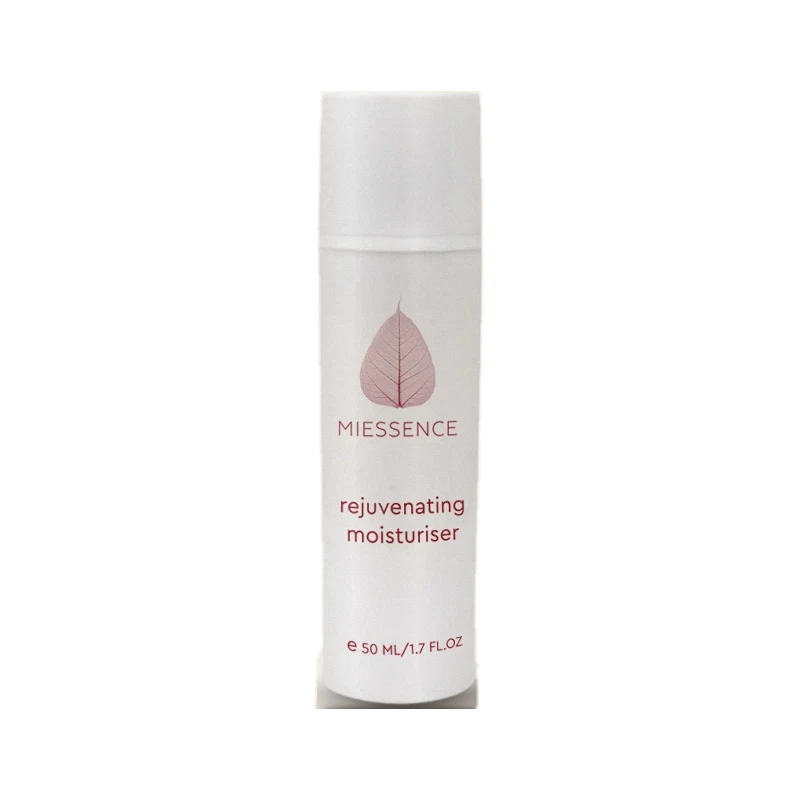
Who it’s for: dry or mature skin that feels tight on retinol nights.
Key ingredients: aloe vera leaf juice, jojoba, avocado and rosehip oils, shea butter, gotu kola, nettle and horsetail extracts.
Pros: a rich cream for dry skin; certified organic oils and shea butter; made for morning and night use.
Cons: contains rose and Roman chamomile essential oils, which some sensitive skin reacts to; may feel heavy on oily skin.
Price: A$71.00 for 1.7 fl oz (50 ml) on one.organic.
Frequently Asked Questions
What is the 1-2-3 rule of retinol?
It is a slow start plan: use retinol once in week one, twice in week two and three times in week three, then increase only if your skin stays calm. It helps your skin adjust and lowers the chance of peeling and irritation.
Why wait 30 minutes to apply retinol?
That advice comes from older prescription tretinoin directions: wait 20 to 30 minutes after washing so your skin is fully dry, because damp skin can increase irritation. With most over-the-counter retinol, a few minutes of drying is enough.
What should you never mix with retinol?
Avoid using retinol in the same routine as exfoliating acids (AHAs and BHAs), direct vitamin C and copper peptides. Use vitamin C in the morning and acids on nights you skip retinol. Ask your dermatologist before combining it with benzoyl peroxide.
What step should retinol be in my routine?
At night, retinol comes after cleanser, toner and any watery serum, and before moisturizer and face oil. It is not part of your morning routine. In the morning, use sunscreen instead.
What happens if I don't apply moisturizer after retinol?
Your skin is more likely to get dry, tight, flaky and irritated, especially in the first weeks. That makes many people give up on retinol before it works. A simple, fragrance-free moisturizer on top makes it much easier to keep going.
Can I use retinol while pregnant?
No. The American Academy of Dermatology says retinoids should not be used during pregnancy. If you are pregnant, trying to conceive or breastfeeding, ask your doctor which alternatives are safe for you.
Build Your Retinol Night Routine
Tonight, try the simplest version: cleanse, pat dry, wait a few minutes, smooth on a pea-sized amount of retinol, wait a minute, then seal it in with moisturizer. Use it two or three nights a week at first and wear sunscreen every morning. Thinking about a gentler option? Read our rosehip oil vs retinol comparison, and see the full skincare routine order for every other step.

Ahetesam Sabugar
Ahetesam Sabugar is the founder of Vigrovia. He researches and writes guides on skincare, supplements, fitness recovery and home-gym gear. He isn't a doctor, so every article is built from published studies, ingredient labels and trusted sources like the NIH and Cleveland Clinic, and is updated when new research comes out.
More articles by Ahetesam →