
On this page
Niacinamide Before or After Vitamin C Serum? Right Order
Quick answer: Vitamin C usually goes first, then niacinamide. Apply your vitamin C serum to clean skin, let it sink in for about a minute, then add niacinamide, moisturizer and, in the morning, sunscreen. If both serums feel the same, put the thinner, more watery one on first.

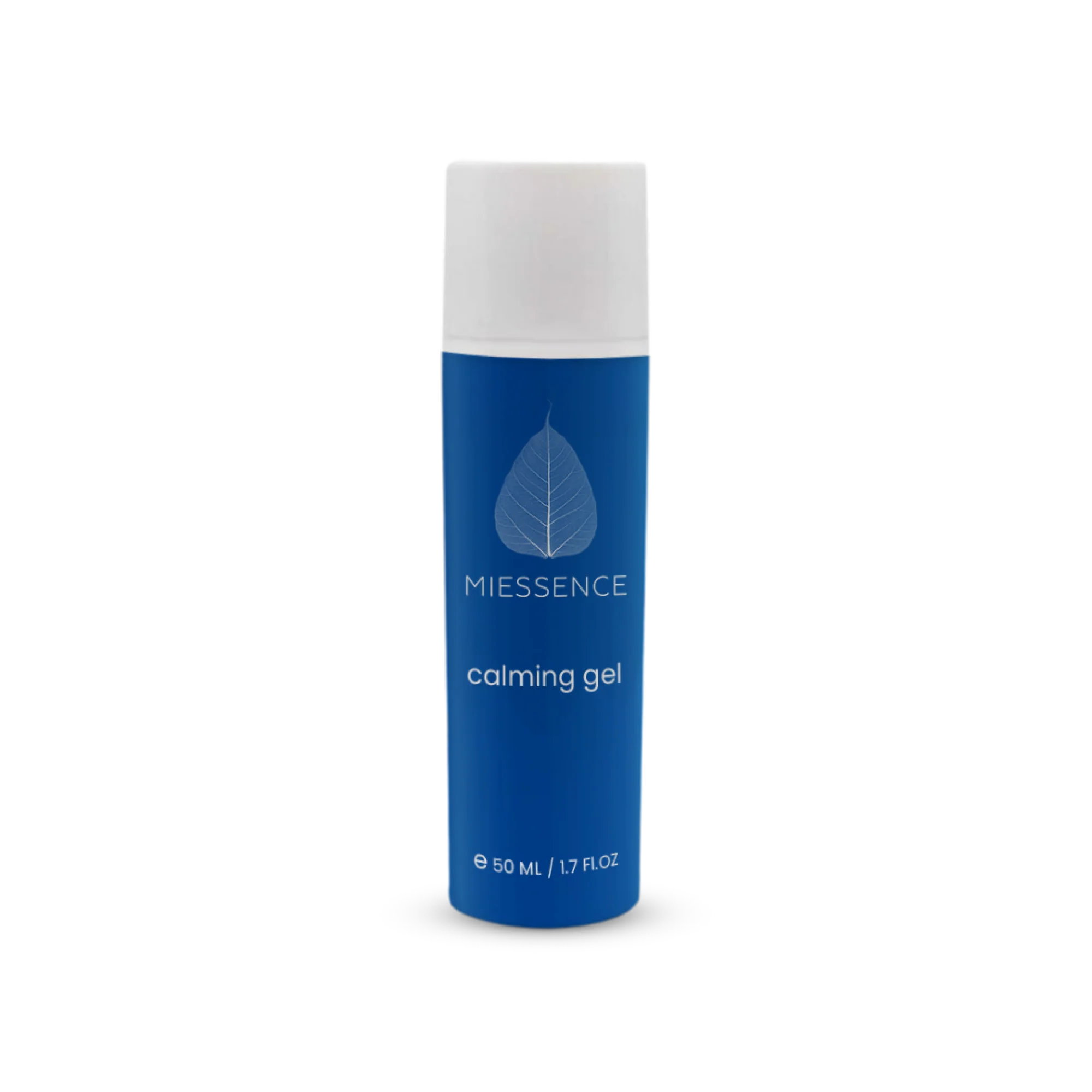
What to use: Keep your own vitamin C and niacinamide serums, since our skin care picks do not include either one. After cleansing, press on ORG Balancing Hydrating Serum, a watery aloe layer that preps your skin before your actives. If vitamin C leaves red, blotchy patches, pat ORG Calming Gel onto those spots after your serums and before moisturizer. Why we chose this pair: neither adds another strong active, and the brand’s own directions put both between cleansing and moisturizer, right where your serums go.
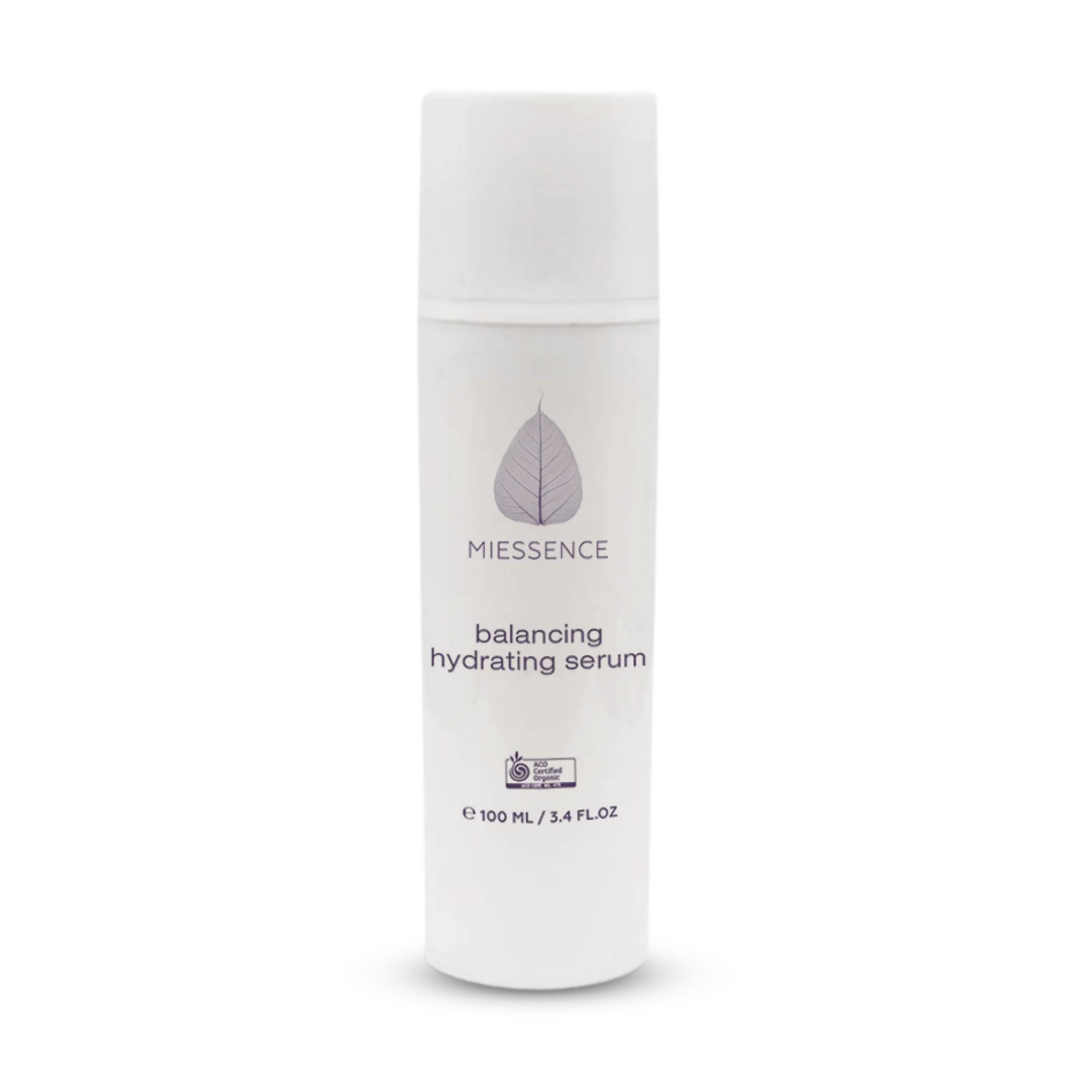
PREP LAYER FIRST
ORG Balancing Hydrating Serum
For normal & combination skin · 100 ml / 3.4 fl oz
A$41.00
Niacinamide Before or After Vitamin C: Which Goes First?
Vitamin C usually goes first. Healthline advises applying the thinner product first when you use two separate serums, and most vitamin C serums are thin, watery formulas, so they go on before a niacinamide serum.
There is a second reason many people start with vitamin C. The classic form, L-ascorbic acid, is made to work at a low pH and on clean skin, so giving it the first spot after cleansing (or after a watery toner) keeps other products from getting in its way. Niacinamide serums are often a little thicker or gel-like, so they sit nicely on top. Still, texture wins over rules. If your niacinamide is a thin water and your vitamin C is a cream or an oil-based formula, flip the order and use the thinner one first.
Can You Use Niacinamide and Vitamin C Together?
Yes. Board-certified dermatologist Dr. Meena Singh told Healthline that you can combine them. The old warning came from outdated research that mixed pure forms of both at very high temperatures, not from normal use at home.
You can use them in the same routine, one after the other, or pick a serum that already contains both. Many brands now sell combined formulas for this reason. What matters more than the pairing is how your skin reacts. If you are new to either ingredient, start with one product for a week or two, then add the second. That way, if you get redness or dryness, you will know which product caused it.
Does Niacinamide Cancel Out Vitamin C?
No, not in normal use. Mixing myths like this one are a common reason people drop products that work, as our skincare mistakes guide explains. The concern came from lab conditions, not from a bathroom shelf.
The idea was that the two could react and form nicotinic acid, which may cause redness, and that they would weaken each other. Healthline notes that this reaction needed very high heat. At room temperature, on your skin, you are not recreating those conditions. So you do not need to wait 30 minutes between them or split them across the day just to stop them from “canceling out.” If you notice a warm flush after using both, it is more likely a sign that one of the products, often a strong vitamin C, is too much for your skin right now.
Vitamin C in the Morning, Niacinamide at Night?
That split works well, especially for sensitive skin. Cleveland Clinic dermatologist Dr. Sean McGregor says vitamin C serum reinforces your sunscreen but does not replace it, which is why many people keep vitamin C in their morning routine.
Niacinamide is gentle enough for morning or night, so moving it to your evening routine is an easy way to use both without stacking two serums at once. A simple plan:
- Morning: cleanser, vitamin C, moisturizer, sunscreen.
- Night: cleanser, niacinamide, moisturizer.
If your skin handles both well, you can also use them together in the morning. There is no single right answer, just the one your skin is comfortable with.
Which Is Better: Vitamin C or Niacinamide?
Neither is better for everyone. Vitamin C is usually picked for dullness and dark spots, while niacinamide is often chosen for oil, redness and a weak skin barrier. Our skincare ingredients guide covers more options like these.
Think about your main goal. If you want brighter, more even skin and extra support under sunscreen, start with vitamin C. If your skin is oily, shiny by noon or easily irritated, niacinamide is usually the easier first step because it is gentle for most people. If you want both results, you do not have to choose, since they work fine in the same routine. Just add them one at a time.
Where They Fit in Your Full Routine
Both are serum steps, so they go after cleanser and toner and before moisturizer. Our 12-step skincare routine guide shows every step, but here is the short version for these two.
- Morning: cleanser, toner or watery hydrating layer, vitamin C, niacinamide, moisturizer, sunscreen.
- Night: cleanser, toner, niacinamide, moisturizer.
Moisturizer always comes after your serums, as our serum and moisturizer guide explains, and sunscreen is always the last step in the morning.
Niacinamide and Vitamin C for Sensitive Skin
Go slow. Healthline suggests adding one new product at a time and waiting at least a week before adding the next, with an extra week or two for sensitive skin. Patch test each one behind your ear for 24 hours first.
Start with niacinamide, since it is usually the gentler of the two, and use it once a day or every other day. When your skin is fine with it, add vitamin C in the morning a few times a week. Lower-strength formulas are easier to start with than very strong ones. If you get stinging, redness or peeling, stop the newest product and let your skin settle before trying again. Store vitamin C at room temperature and away from sunlight so it stays fresh.
Common Vitamin C and Niacinamide Mistakes
The biggest mistake is starting both serums on the same day. If your skin reacts, you will not know which one caused it, as our skincare mistakes guide also warns.
- Putting the thicker serum on first. A heavier layer can block the thinner one. Go thinnest to thickest.
- Waiting 30 minutes between them. About a minute is enough for each layer to sink in.
- Skipping sunscreen. Vitamin C supports your sunscreen but does not replace it.
- Using an old, dark vitamin C. If it has turned dark orange or brown, it is past its best.
- Adding strong acids in the same step. Exfoliating acids plus vitamin C and niacinamide at once can be too much.
- Skipping moisturizer. Serums treat. Moisturizer holds everything in.
Recommended Picks to Layer Around Them
These three picks from our skin care reviews are not vitamin C or niacinamide serums. They are the watery layer that goes before your actives and two spot gels that go after them, before moisturizer. We have not tested them on our own skin yet. We chose them by reading full ingredient lists, label directions and prices on the brand’s own site in October 2026.
| Product | Best for | Key ingredients | Size | Price | Per ml |
|---|---|---|---|---|---|
| ORG Balancing Hydrating Serum | Watery layer before actives | Aloe vera, chamomile, marshmallow, calendula | 100 ml | A$41.00 | A$0.41 |
| ORG Calming Gel | Redness from strong actives | Aloe vera, horse chestnut, chamomile, witch hazel | 50 ml | A$39.00 | A$0.78 |
| ORG Blemish Gel | Breakouts and oily skin | Aloe vera, tea tree oil, witch hazel, echinacea | 50 ml | A$39.00 | A$0.78 |
ORG Balancing Hydrating Serum
Who it’s for: normal or combination skin that wants one gentle watery step before vitamin C and niacinamide.
Key ingredients: aloe vera leaf juice, radish root ferment filtrate, elderberry, chamomile, marshmallow, olive, St John’s wort and calendula extracts, lavender essential oil.
Pros: no drying alcohol in the ingredient list; watery texture spreads easily on damp skin; the brand designs it for twice-daily use.
Cons: contains lavender essential oil, so patch test first; it hydrates rather than exfoliates, so it does not replace your vitamin C or niacinamide.
Price: A$41.00 for 3.4 fl oz (100 ml) on one.organic.
ORG Calming Gel
Who it’s for: sensitive skin that gets red or blotchy after vitamin C.
Key ingredients: aloe vera leaf juice, St John’s wort, horse chestnut, chamomile and witch hazel extracts, lavender and Roman chamomile essential oils.
Pros: the brand says to pat it on after the watery layer and before moisturizer, so it slots right into a layered routine; you only use it on the red areas.
Cons: contains lavender and Roman chamomile essential oils, so patch test first; it is a spot treatment, not an all-over hydrator.
Price: A$39.00 for 1.7 fl oz (50 ml) on one.organic.
ORG Blemish Gel
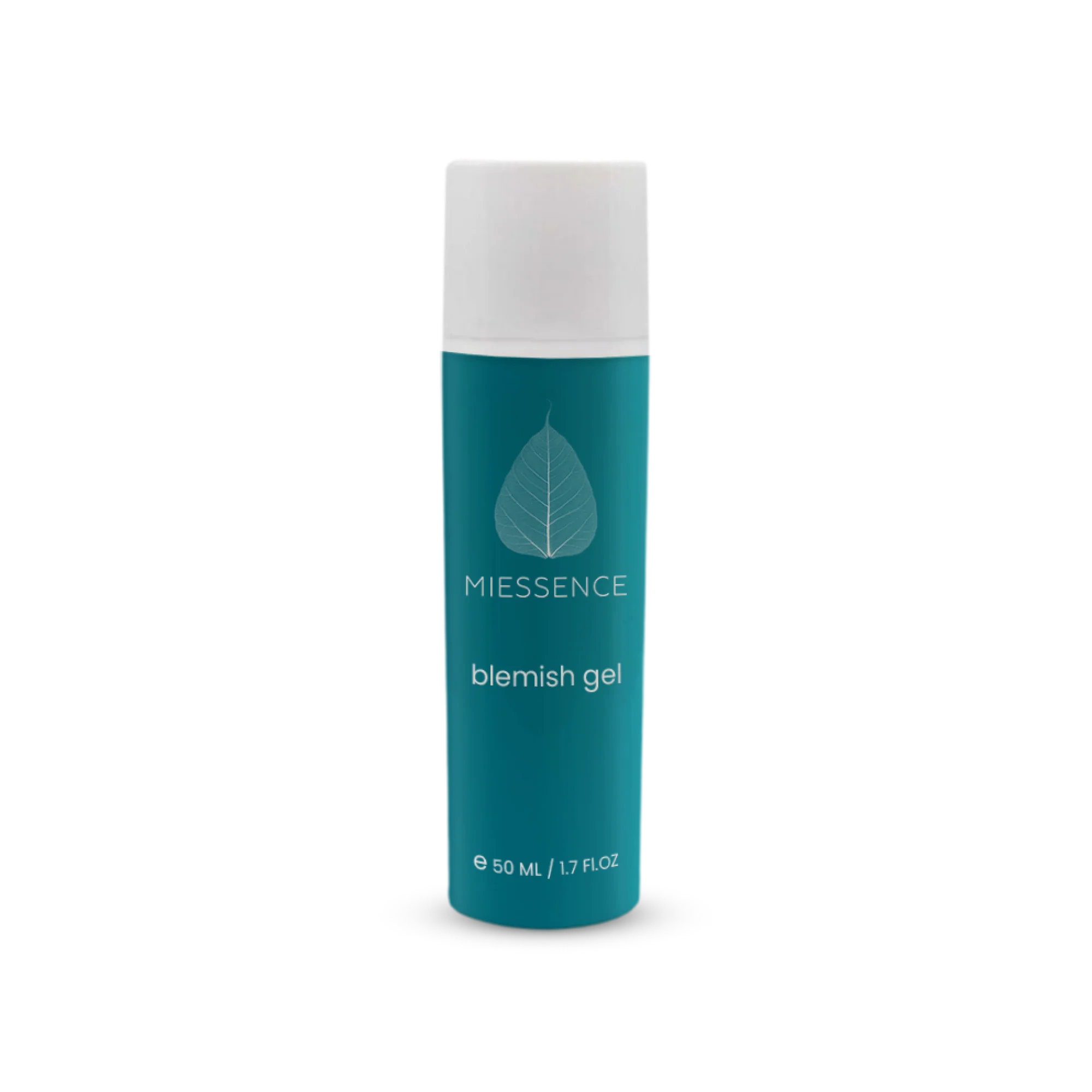
Who it’s for: oily or breakout-prone skin, the skin type niacinamide is often used for.
Key ingredients: aloe vera leaf juice, sage, rosemary, plantain, witch hazel, echinacea and marshmallow root extracts, tea tree, lavender and lemon myrtle essential oils.
Pros: a spot treatment for pimples, so you do not need to add another strong active; the brand says to use it after the watery layer and before moisturizer.
Cons: several essential oils, including tea tree, so patch test first; it is for spots only, not all-over use.
Price: A$39.00 for 1.7 fl oz (50 ml) on one.organic.
Frequently Asked Questions
How long should I wait between vitamin C and niacinamide?
About a minute is enough. Let the first serum sink in until your skin no longer feels wet, then apply the second. There is no need for the 15 to 30 minute waits you may see online.
Why does my face turn red when I use vitamin C and niacinamide?
Usually because one product is too strong for your skin, not because the two are reacting. Stop the newest product, let your skin calm down, and restart with a lower strength or fewer days a week. See a dermatologist if redness does not settle.
Can I use niacinamide and vitamin C with retinol?
Yes, but split them up. Keep vitamin C in the morning and retinol at night, and use niacinamide at either time. Our retinol and moisturizer guide shows where retinol goes at night.
Should vitamin C go on wet or dry skin?
Apply it to clean skin that is not dripping wet. If you use a watery toner first, let it sink in for a moment, then apply vitamin C. Follow the directions on your serum, since some formulas give their own advice.
Can I use vitamin C and niacinamide every day?
Yes, once your skin is used to them. Start a few times a week, then build up to daily if you have no redness or dryness. Always wear sunscreen in the morning when you use vitamin C.
Build Your Vitamin C and Niacinamide Routine
Tomorrow morning, try the simple version: cleanse, press on a watery hydrating layer if you like one, apply vitamin C, wait a minute, add niacinamide, then finish with moisturizer and sunscreen. Want to know where sunscreen fits? Read our sunscreen and moisturizer guide, or browse all our skin care picks.

Ahetesam Sabugar
Ahetesam Sabugar is the founder of Vigrovia. He researches and writes guides on skincare, supplements, fitness recovery and home-gym gear. He isn't a doctor, so every article is built from published studies, ingredient labels and trusted sources like the NIH and Cleveland Clinic, and is updated when new research comes out.
More articles by Ahetesam →