
On this page
Can You Use Retinol and Vitamin C Together?
Quick answer: Yes, you can use retinol and vitamin C together, but you should not apply them at the exact same time. Dermatologists generally recommend using vitamin C in the morning to protect against daytime sun damage, and retinol at night to boost cell turnover and smooth fine lines.
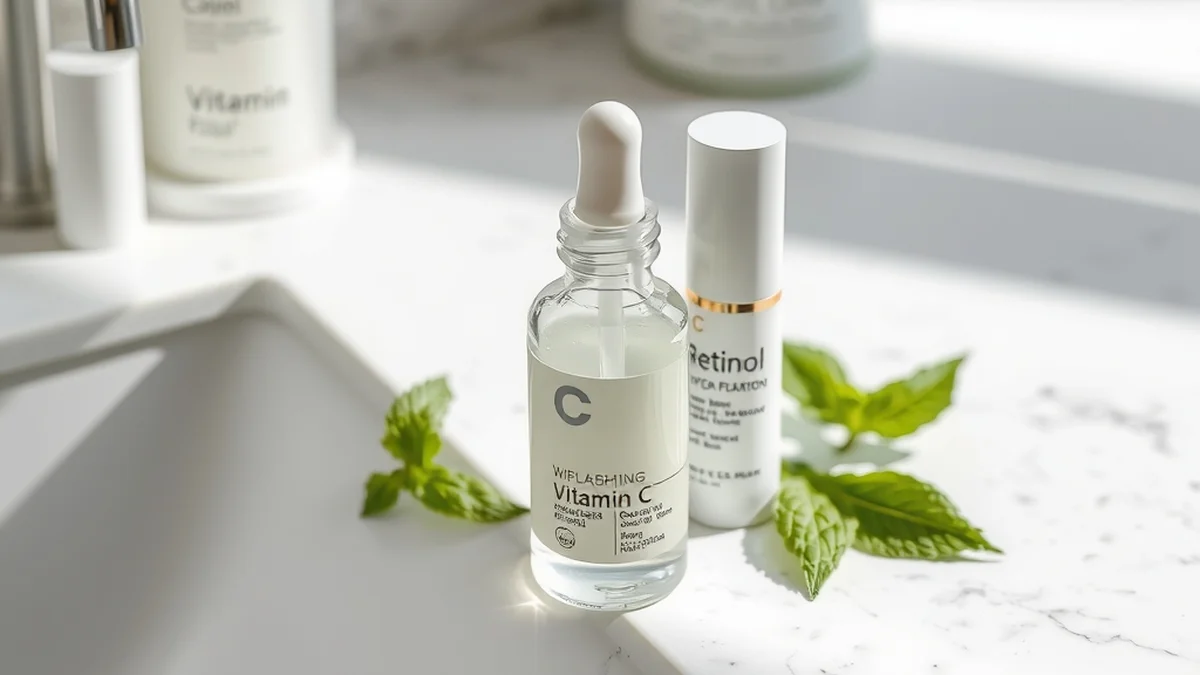
What to use: To get the best results without irritation, pair a gentle vitamin C serum like for your morning defense with a nourishing night cream like in your evening routine. Why we chose this pair: They provide daily antioxidant protection followed by balanced hydration, helping your skin barrier stay strong while using potent actives.
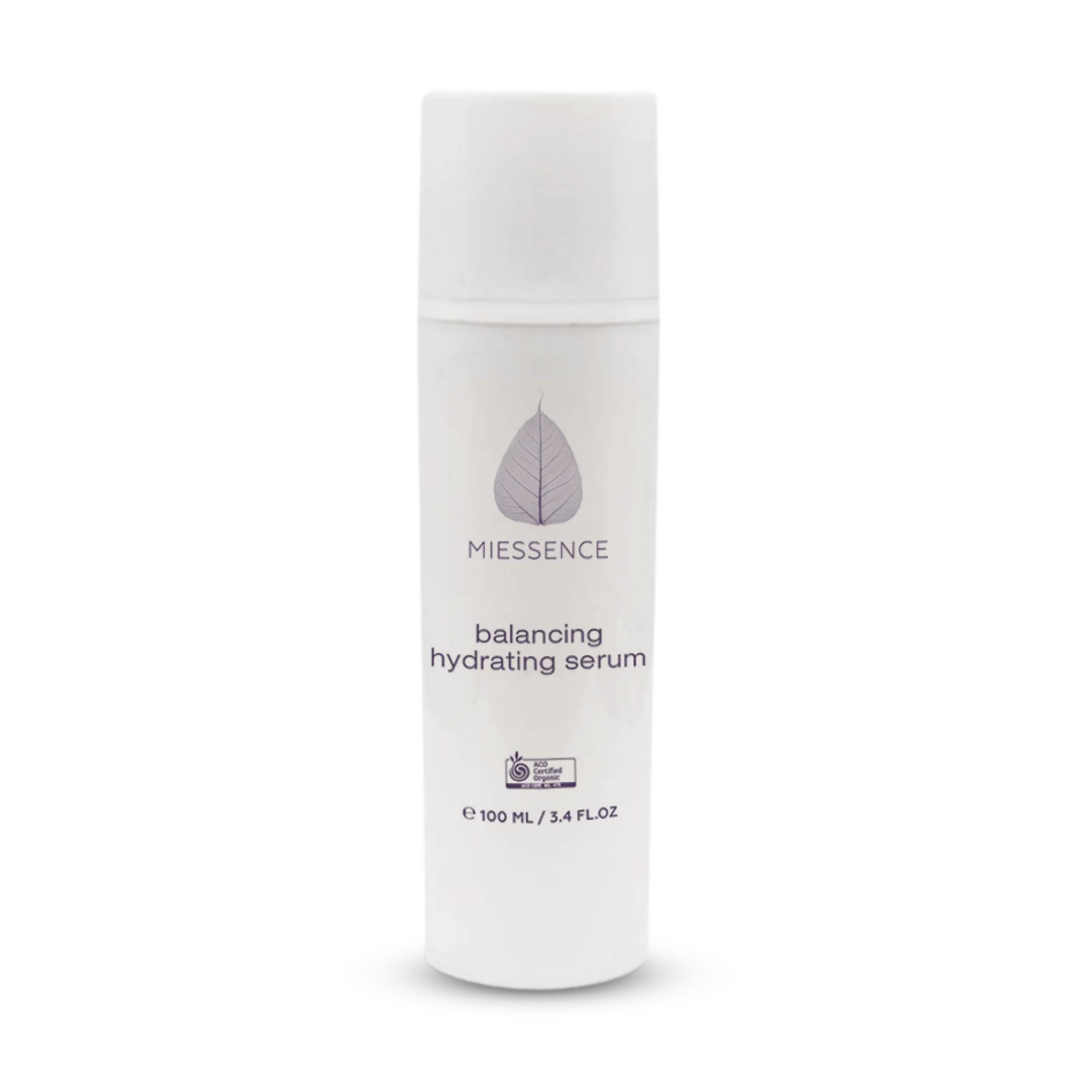
MORNING SERUM
ORG Balancing Hydrating Serum
For normal & combination skin · 100 ml / 3.4 fl oz
A$41.00
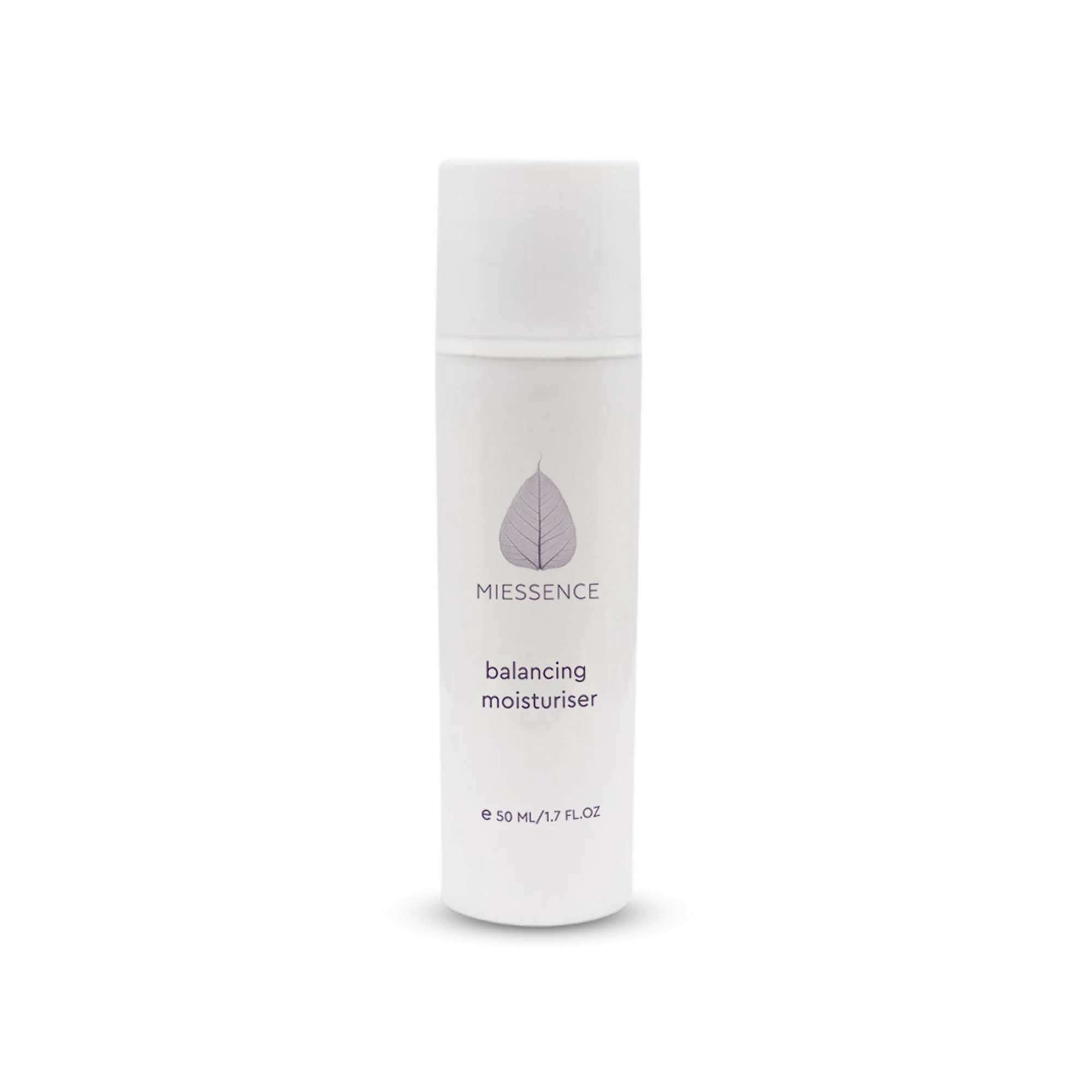
EVENING CREAM
ORG Balancing Moisturiser
For normal & combination skin · 50 ml / 1.7 fl oz
A$71.00
Can You Use Retinol and Vitamin C Together at Night
Using both retinol and vitamin C at night can overwhelm your skin barrier. According to the American Academy of Dermatology, mixing two strong actives in a single evening routine often leads to redness, peeling, and dryness.
Instead of mixing them, alternate the nights you use them or stick to the classic morning-and-night split. If you must use both in one routine, wait at least twenty minutes between applications to let your skin adjust to the pH changes.
- Skin barrier: Strong actives can strip natural moisture.
- pH levels: Vitamin C requires low pH, while retinol works best at a neutral pH.
- Irritation: Stinging and flaking mean you need to space them out.
Can You Use Retinol and Vitamin C Together on Your Face
You can certainly apply both ingredients to your face over the course of the week, but applying them simultaneously requires caution. The delicate facial skin reacts quickly to potent anti-aging ingredients, so moderation is key.
If you have sensitive skin, start by applying vitamin C only three mornings a week, and use your retinol just two nights a week. You can learn more about layering basics in our guide on 12 Skincare Routine Steps in the Right Order (2026).
- Patch test: Always test new combinations on your inner arm first.
- Gradual start: Introduce one active at a time over several weeks.
- Hydration: Follow up with a gentle skin care product to lock in moisture.
How to Use Retinol and Vitamin C Together
The safest way to use both ingredients is to separate them by time of day. Apply your vitamin C product in the morning right after cleansing, followed by your daily sunscreen to shield your skin from UV rays.
At night, wash your face, apply your retinol treatment, and finish with a rich moisturizer. For extra guidance on nighttime steps, check out Retinol Before or After Moisturizer? The Right Order.
- Morning: Cleanse, apply vitamin C, moisturize, and use SPF.
- Night: Cleanse, apply retinol, and seal with a rich cream.
- Waiting time: Let each layer absorb fully before moving to the next step.
Can I Use Retinol Hyaluronic Acid and Vitamin C Together
Adding hyaluronic acid into a routine with retinol and vitamin C is actually a wonderful idea. Hyaluronic acid draws moisture into the skin, which helps counteract the drying side effects of both vitamin C and retinol.
You can apply hyaluronic acid right after your vitamin C serum in the morning, or layer it under your retinol at night to buffer potential irritation.
- Hydration boost: Quenches thirsty skin cells instantly.
- Buffering effect: Softens the impact of strong anti-aging actives.
- Layering order: Apply from thinnest consistency to thickest.
Can You Use BHA and Vitamin C Together
Using BHA (salicylic acid) and vitamin C together can be quite harsh for many skin types. Both are acids that lower skin pH, which can trigger stinging or peeling if combined improperly.
If you want to use both, try using BHA in the morning on alternating days with your vitamin C, or use BHA at night and vitamin C on alternate mornings.
- Acid overload: Too many exfoliants damage the skin barrier.
- Alternating days: Split your actives across different days of the week.
- Listen to skin: Stop immediately if you notice persistent redness.
Why Not Use Retinol and Vitamin C Together
Many skincare experts advise against mixing retinol and vitamin C in the exact same routine because of conflicting pH requirements and the high risk of irritation. Combining them directly can render both ingredients less effective.
Keeping them separated ensures that each ingredient performs at its maximum potential without causing unnecessary inflammation.
- pH conflict: Vitamin C prefers acidic formulas, while retinol prefers neutral ones.
- Flaking: High irritation leads to unsightly peeling.
- Redness: Compromised skin looks and feels inflamed.
Common Retinol and Vitamin C Mistakes
Even skincare enthusiasts make mistakes when trying to combine powerful anti-aging products. Here are the most common pitfalls to avoid for a healthy, glowing complexion.
- Skipping sunscreen: Never use retinol or vitamin C without daily SPF protection.
- Applying too fast: Piling on products without waiting causes pilling and irritation.
- Starting too strong: Jumping straight into high percentages damages your skin barrier.
- Forgetting hydration: Neglecting moisturizers leads to severe dryness and flaking.
- Mixing every night: Overusing actives daily ruins your skin resilience.
Recommended Serums and Moisturizers
To support your routine safely, we selected these balanced items from our skin care catalog. We have not tested them on our own skin yet. We chose them by reading full ingredient lists, label directions and prices on the brand’s own site in October 2026.
| Product | Best for | Key ingredients | Size | Price | Per ml |
|---|---|---|---|---|---|
| ORG Balancing Hydrating Serum | Normal and combination skin types | [‘aloe barbadensis leaf juice’, ‘radish root ferment filtrate’, ‘elderberry fruit extract’] | 100 ml | A$41.00 | A$0.41 |
| ORG Balancing Moisturiser | Lasting daily skin hydration | [‘aloe vera’, ‘sunflower seed oil’, ‘natural botanical extracts’] | 50 ml | A$71.00 | A$1.42 |
| ORG Balancing Cleanser | Gentle daily face cleansing | [‘aloe barbadensis leaf juice’, ‘yucca schidigera extract’, ‘sunflower seed oil’] | 100 ml | A$33.00 | A$0.33 |
ORG Balancing Hydrating Serum
Who it’s for: Best for those seeking a refreshing, soothing morning hydration step.
Key ingredients: aloe barbadensis leaf juice, radish root ferment filtrate, elderberry fruit extract
Pros: Organic formula; Lightweight texture; Calming feel
Cons: Patch test recommended; Store away from direct heat
Price: A$41.00 for 3.4 fl oz (100 ml) on one.organic.
ORG Balancing Moisturiser
Who it’s for: Ideal for anyone needing a smooth, non-greasy finishing cream.
Key ingredients: aloe vera, sunflower seed oil, natural botanical extracts
Pros: Long-lasting moisture; Creamy texture; Organic ingredients
Cons: Contains essential oils; Higher price point
Price: A$71.00 for 1.7 fl oz (50 ml) on one.organic.
ORG Balancing Cleanser
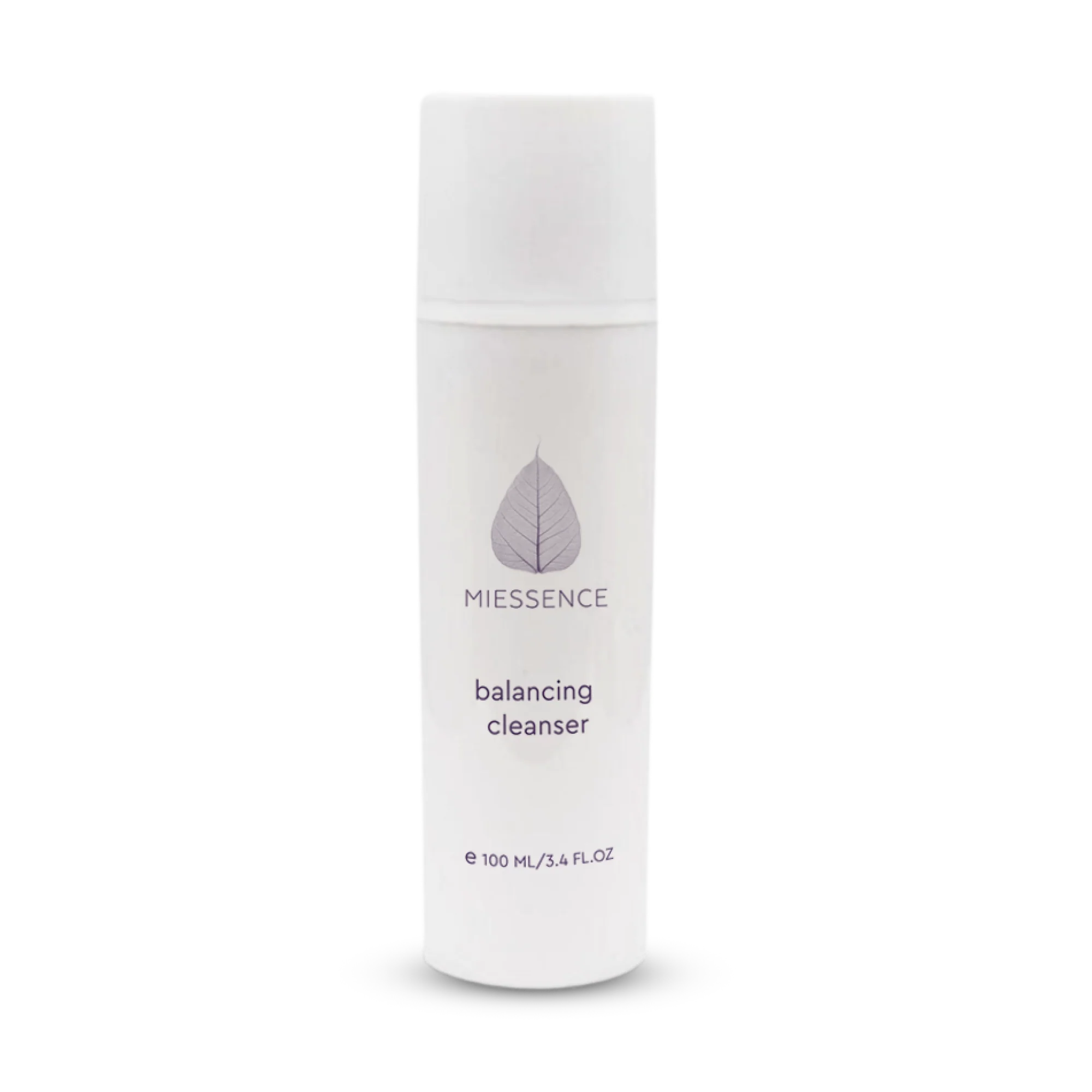
Who it’s for: Great for washing away impurities without stripping natural oils.
Key ingredients: aloe barbadensis leaf juice, yucca schidigera extract, sunflower seed oil
Pros: Sulfate-free; Gentle on pores; Certified organic base
Cons: Low lather; Avoid direct eye contact
Price: A$33.00 for 3.4 fl oz (100 ml) on one.organic.
Frequently Asked Questions
Can you use retinol and vitamin c together at night?
It is generally not recommended to apply both at the same time at night. Doing so can cause severe dryness, redness, and irritation. Instead, use vitamin C in the morning and retinol at night, or alternate your nights.
Can i use retinol and vitamin c serum together?
You can use both serums in your overall routine, but you should separate them by time of day. Apply vitamin C in your morning routine and retinol in your evening routine to get the maximum benefit from both.
Is it okay to use retinol and vitamin c together?
Yes, it is okay to use both ingredients in your skincare routine, provided you space them out. Using them in the same application can neutralize their effectiveness and irritate your skin.
How long should I wait between applying vitamin C and retinol?
If you choose to use them in the same routine, dermatologists recommend waiting at least twenty to thirty minutes between products so your skin’s pH can stabilize, though splitting them into AM and PM is much easier.
Do I need sunscreen when using retinol and vitamin C?
Yes, absolutely. Both vitamin C and retinol make your skin more sensitive to sunlight. Always apply a broad-spectrum sunscreen every morning as the final step in your routine.
Build Your Skincare Routine
Tonight, try the simple version: cleanse with a gentle wash, apply your evening treatment, and lock it all in with a nourishing cream. Explore more expert tips in our complete skin care collection and our guide on Serum Before or After Moisturizer? The Right Order.

Ahetesam Sabugar
Ahetesam Sabugar is the founder of Vigrovia. He researches and writes guides on skincare, supplements, fitness recovery and home-gym gear. He isn't a doctor, so every article is built from published studies, ingredient labels and trusted sources like the NIH and Cleveland Clinic, and is updated when new research comes out.
More articles by Ahetesam →